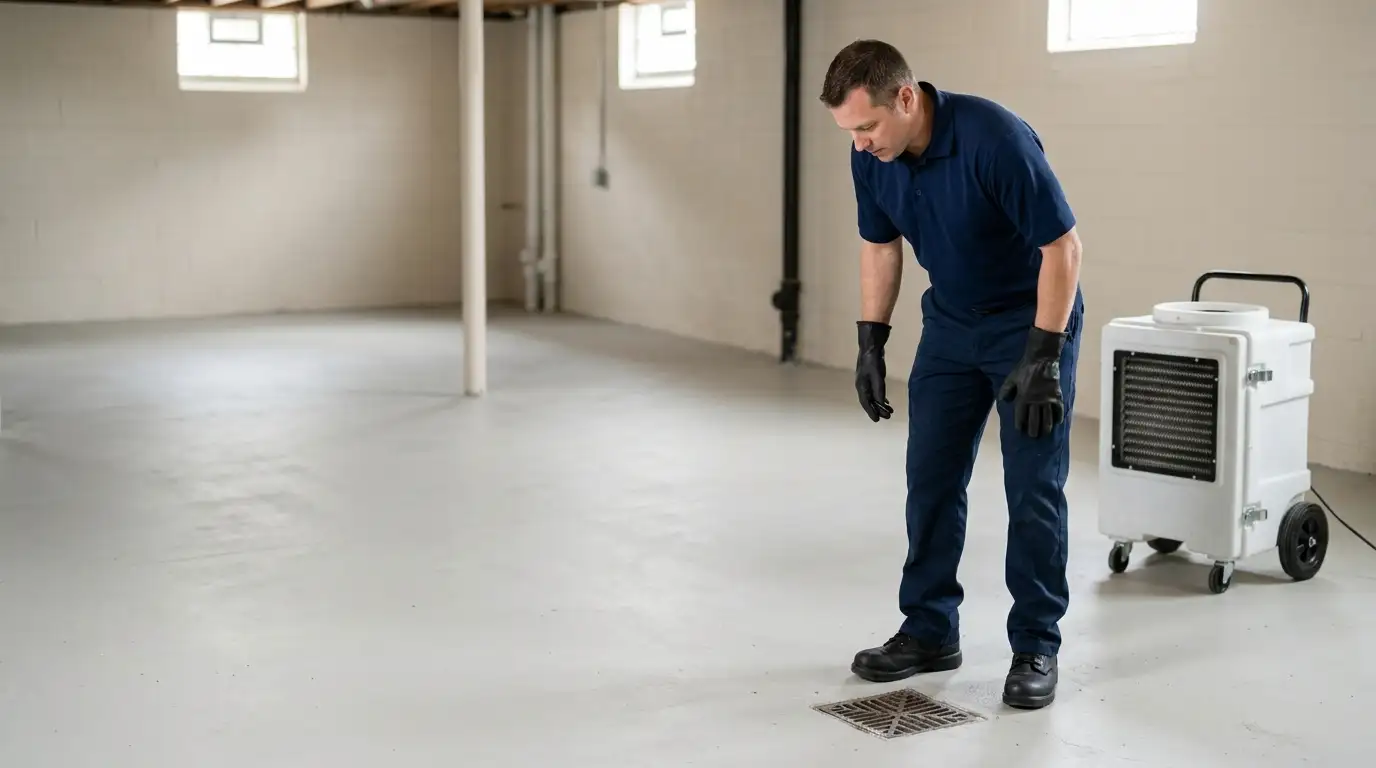
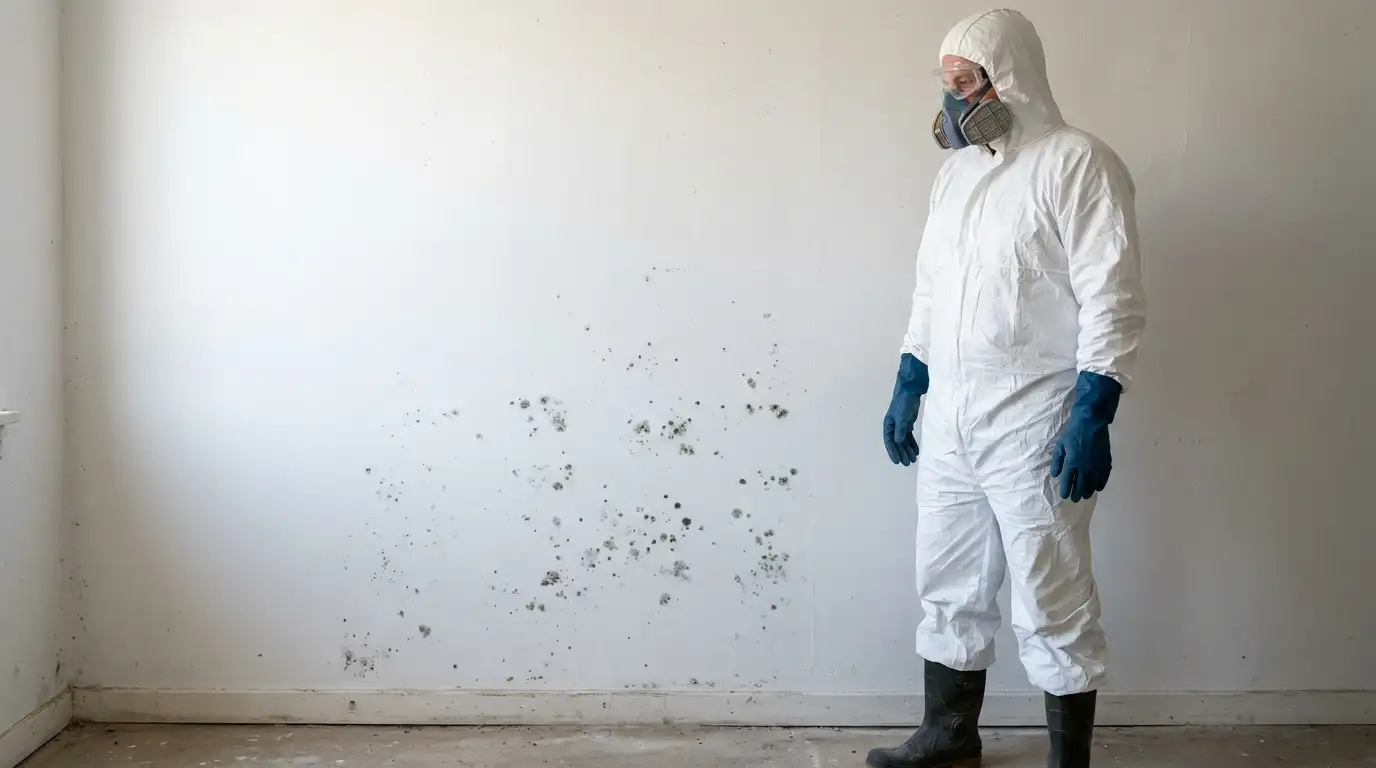
Stay out of the affected area, keep children and pets away, and stop using drains. Sewage is Category 3 water and carries health risks, so professional cleanup, disinfection, and removal of contaminated materials are recommended.
Key takeaways
- Keep people and pets out of the affected area
- Stop using sinks, toilets, and drains
- Do not clean sewage with household tools
- Call professionals to disinfect and remove contaminated materials
Why sewage backups are different
Most water damage starts with clean water from a supply line or an appliance. A sewage backup is different because the water is contaminated from the start. It can carry bacteria, viruses, and parasites, and it can soak into carpet, drywall, and insulation in a matter of minutes. Restoration professionals classify it as Category 3, or black water, the most hazardous category, and they follow stricter safety rules when they handle it.
A backup in a Hoboken brownstone, condo, or apartment building can also spread quickly. Drain lines are shared, floors are stacked, and one blockage can send waste into several units at once. Knowing what to do in the first minutes protects your health and limits the damage.
Common causes of sewage backups
- Clogged lateral or main lines: Grease, wipes, paper towels, and other items that do not break down can block the pipe that carries waste out of the building.
- Tree roots: Roots can enter small cracks in underground pipes and grow until they block the flow.
- Aging or damaged pipes: Older clay, cast iron, or collapsed pipes are more likely to crack, shift, or clog.
- Heavy rain: Older city sewer systems that carry both stormwater and wastewater can become overwhelmed during major storms, pushing water back toward buildings.
- Municipal main problems: A blockage in the public sewer line can send waste backward into private connections.
Warning signs to watch for
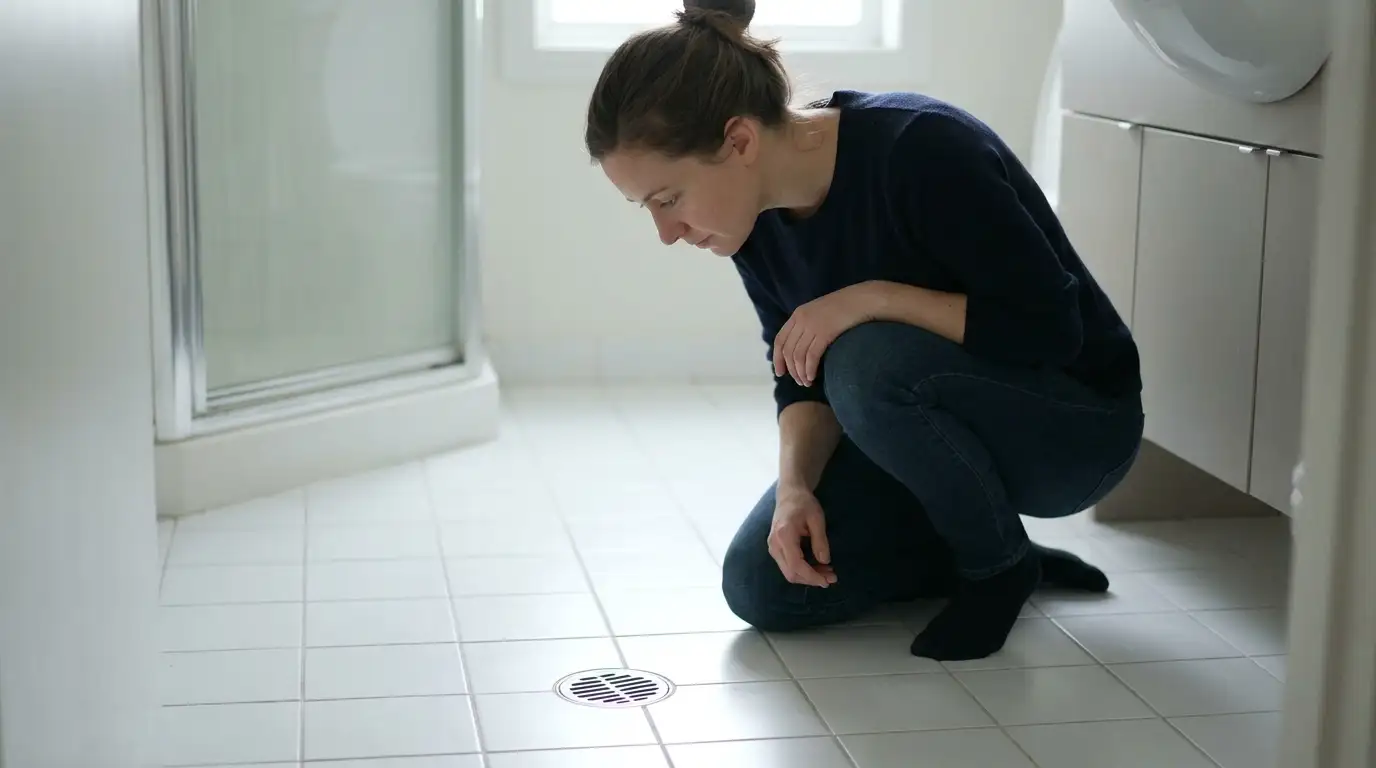
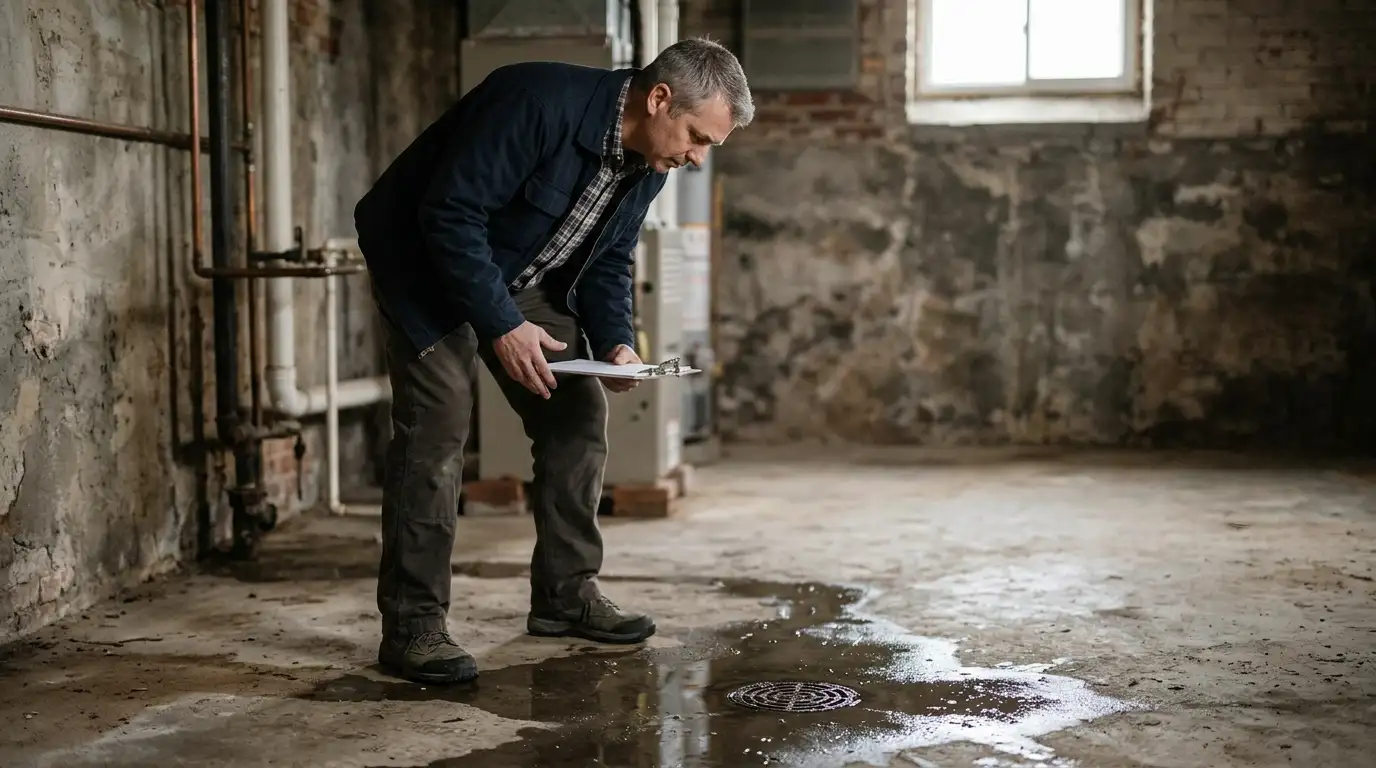
Backups often give early warnings. Gurgling sounds from drains or toilets, slow drains in several fixtures at once, and a sewage smell near floor drains are all signs of a developing problem. Another common clue is water or waste appearing in a basement floor drain, or a toilet that bubbles when the washing machine drains. If you notice these signs, stop using water and call a plumber before the line backs up completely.
The health risks
Sewage can contain bacteria such as E. coli and salmonella, viruses, and parasites. People can be exposed through skin contact, through splashes to the eyes or mouth, or by touching contaminated surfaces and then touching their face. Children, older adults, pregnant people, and anyone with a weakened immune system are at higher risk. If someone develops stomach illness, fever, or skin problems after exposure, contact a doctor.
What to do right away
- Keep everyone out of the affected area, especially children and pets.
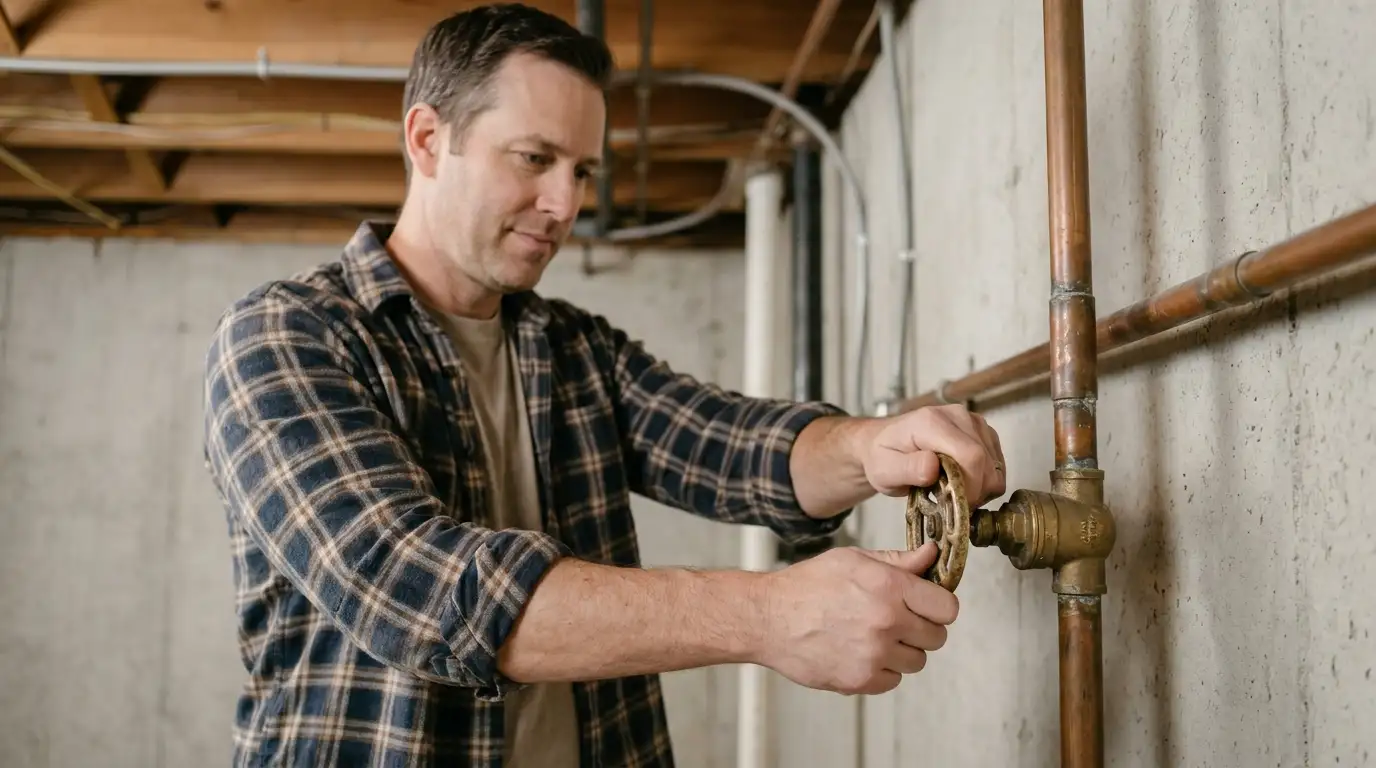
- Stop using sinks, toilets, showers, and washing machines so no more water enters the system.
- Avoid contact with the water. If you must enter, wear waterproof boots and gloves, but do not wade through standing sewage.
- Turn off electricity to the area only if you can do it safely from a dry location. If water is near outlets or appliances, call an electrician or the utility first.
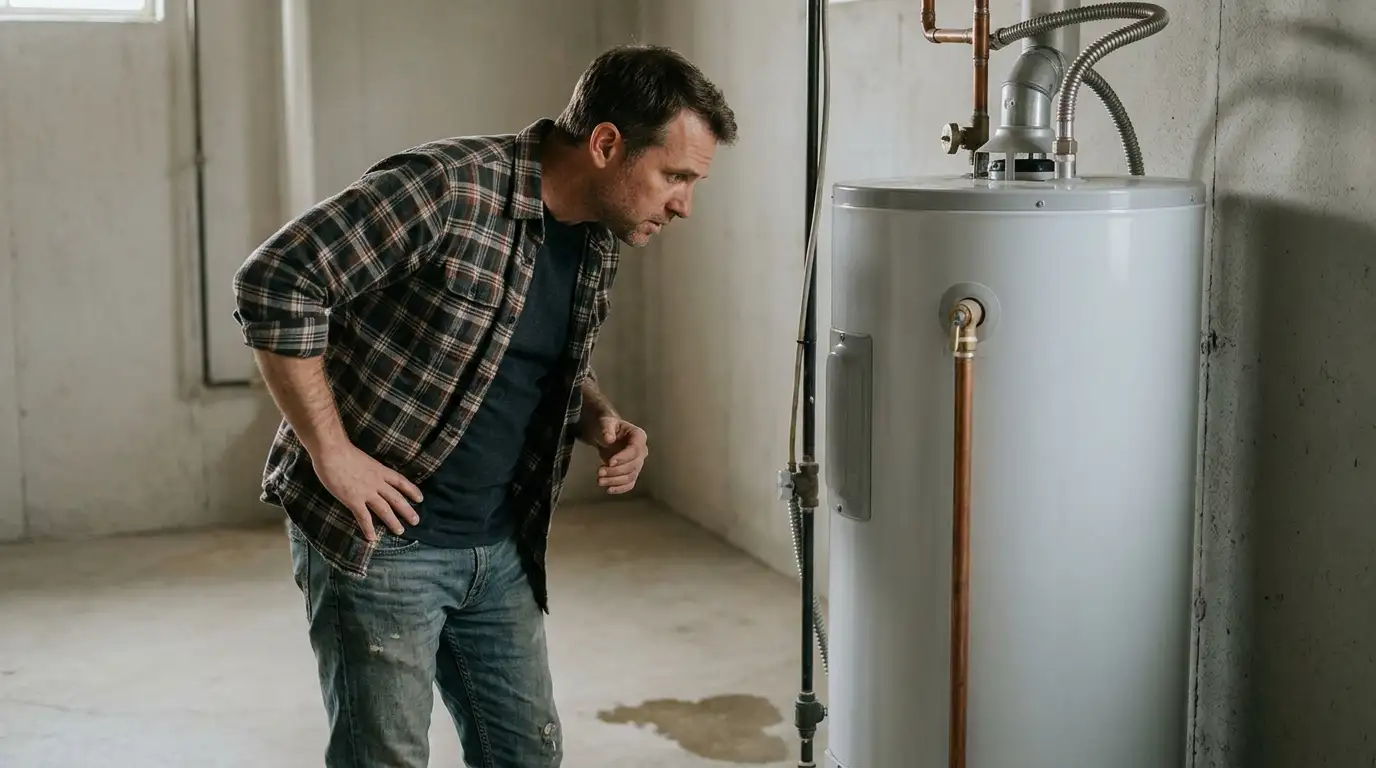
- Take photos and video of the damage before anything is moved.
- Notify your landlord, property manager, or building engineer if you rent or live in a shared building.
- Call a plumber to find the blockage and a restoration company to clean and disinfect.
What not to do
- Do not use a household vacuum or wet vac, which can spread contamination through the air.
- Do not mix bleach and ammonia or other cleaners, since this can create dangerous fumes.
- Do not try to clean sewage-soaked carpet, drywall, or insulation yourself.
- Do not keep damaged porous items until you have talked to your insurer and restoration team.
- Do not delay. Contamination spreads and odors set in the longer sewage sits.
How professionals clean up sewage damage
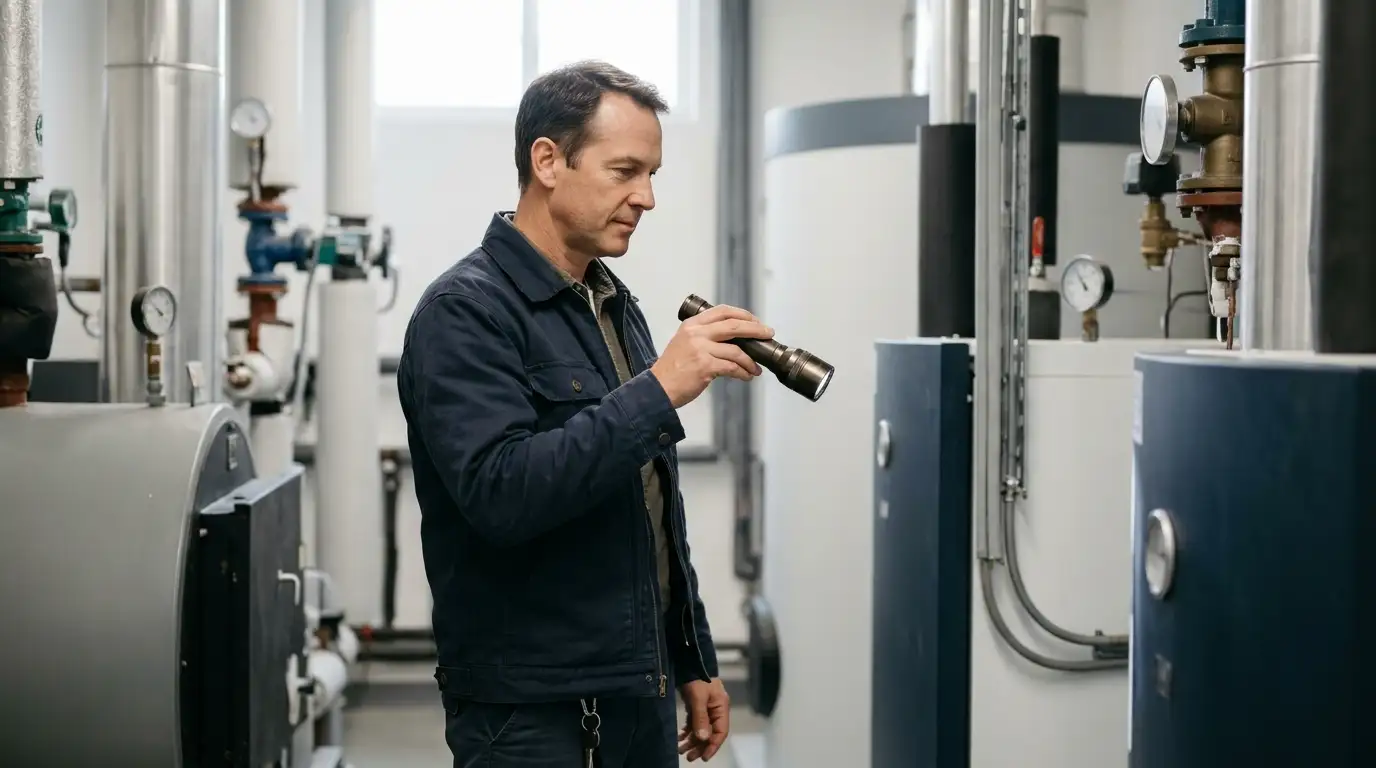
A proper sewage cleanup follows a clear sequence.
- Assessment and containment: Technicians identify the extent of the contamination and seal off the area to keep it from spreading.
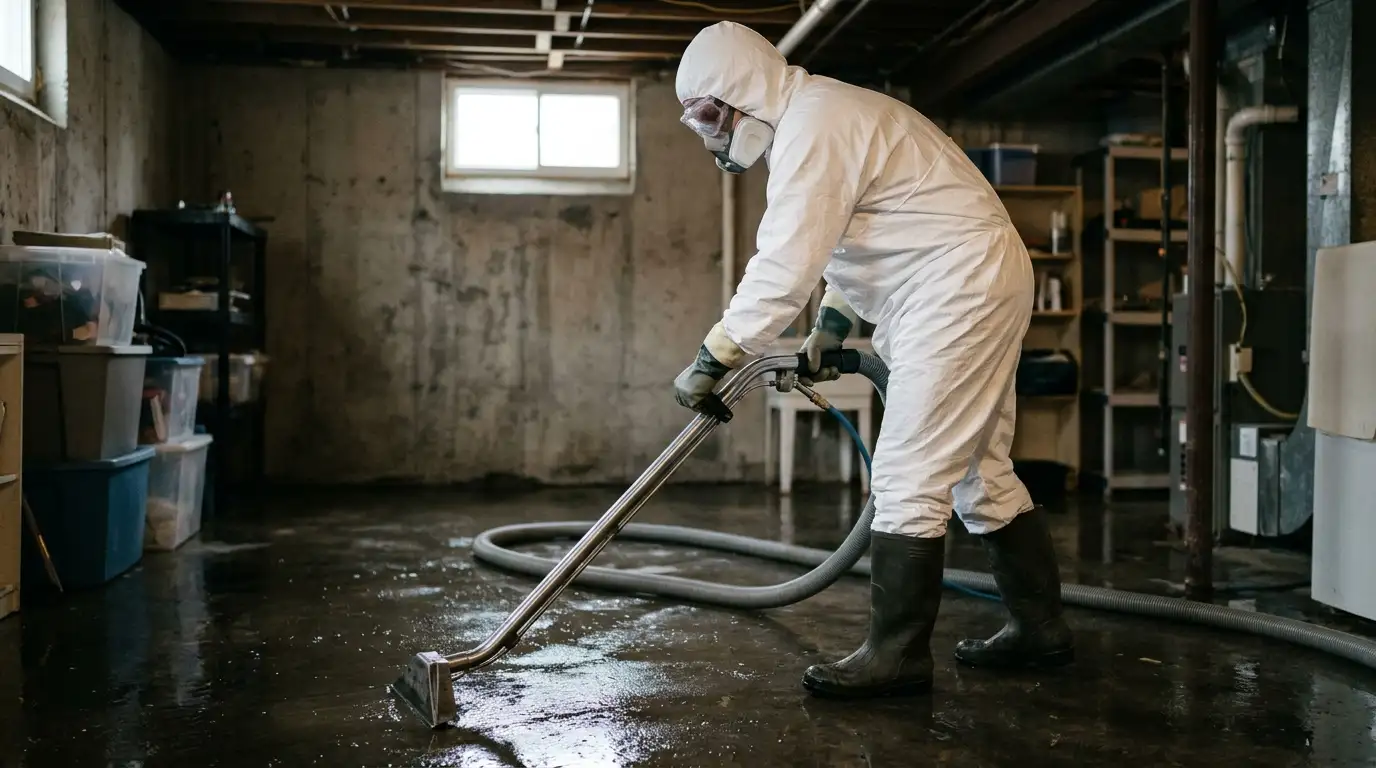
- Protective equipment: Crews wear gloves, boots, protective suits, and respirators.
- Water extraction: Contaminated water is pumped and extracted from floors and low areas.
- Removal of porous materials: Carpet, padding, insulation, and the lower part of drywall that touched sewage are usually removed and discarded.
- Cleaning and disinfection: Hard surfaces and framing are cleaned and treated with disinfectants.
- Drying and deodorizing: Air movers and dehumidifiers dry the structure, and odor control removes lingering smells.
- Verification: Technicians confirm that moisture readings and conditions are back to normal before rebuilding.
What can be saved and what usually cannot
Hard, nonporous items such as metal, glass, and sealed plastic can usually be cleaned and disinfected. Porous items such as carpet, mattresses, upholstered furniture, cardboard, and particleboard absorb contamination and are typically discarded. Your restoration team can advise you item by item, and they can document everything for your insurance claim.
Insurance and responsibility
Standard homeowners policies often exclude sewer or drain backup unless you have added an endorsement, and renters and condo policies vary as well. If the backup came from a public sewer main, the responsibility question can be complicated. Report the loss early, keep photos and receipts, and ask your insurer or landlord what your policy and lease cover.
How to prevent sewage backups
- Never flush wipes, even those labeled flushable, or paper towels, feminine products, or grease.
- Dispose of cooking grease in the trash, not the drain.
- Have your lateral line inspected with a camera if you have older pipes or recurring clogs.
- Remove or treat tree roots near underground lines.
- Ask a plumber about a backwater valve, which helps stop waste from flowing back into your building.
- Know where your main cleanout is and keep it accessible.
Frequently asked questions
Can I stay in my home during cleanup? It depends on the extent of the contamination. Many people stay elsewhere until the affected area has been cleaned, dried, and cleared.
How long does sewage cleanup take? Small jobs may take a few days, while larger ones that involve demolition and rebuilding take longer. Your crew can give a timeline after inspecting.
Is it covered by insurance? Coverage varies. Sewer backup often requires an added endorsement, so check your policy and call your insurer as soon as the backup occurs.
When to call a professional
Call immediately for any sewage backup. Contaminated water is a health hazard, and fast, professional cleanup limits damage, odors, and risk to everyone in the building.
How our team helps
Sewage backups are hazardous. Our crews contain the area, remove contaminated water and materials, and sanitize surfaces so your home is safe again. Our Hoboken crews answer 24/7, find the source, and keep you updated until the property is dry and repaired.