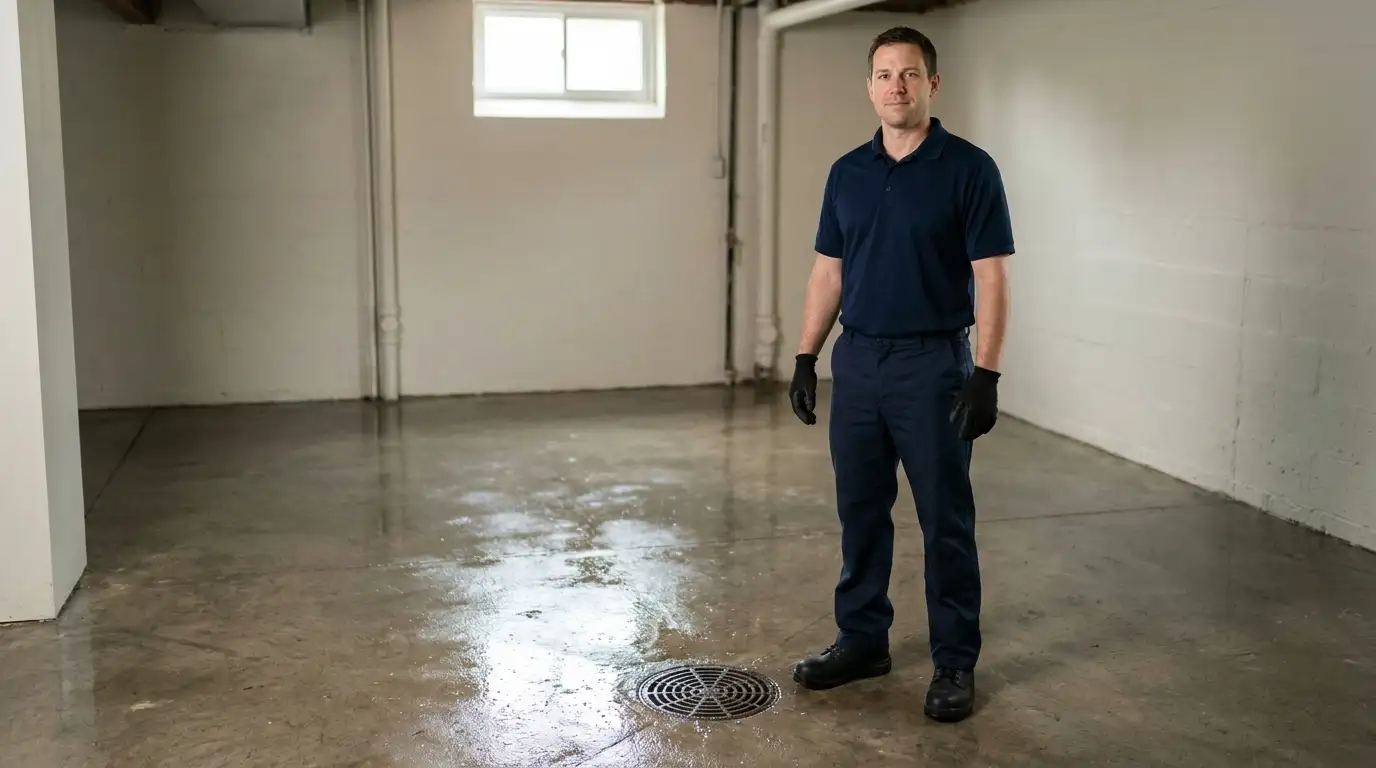
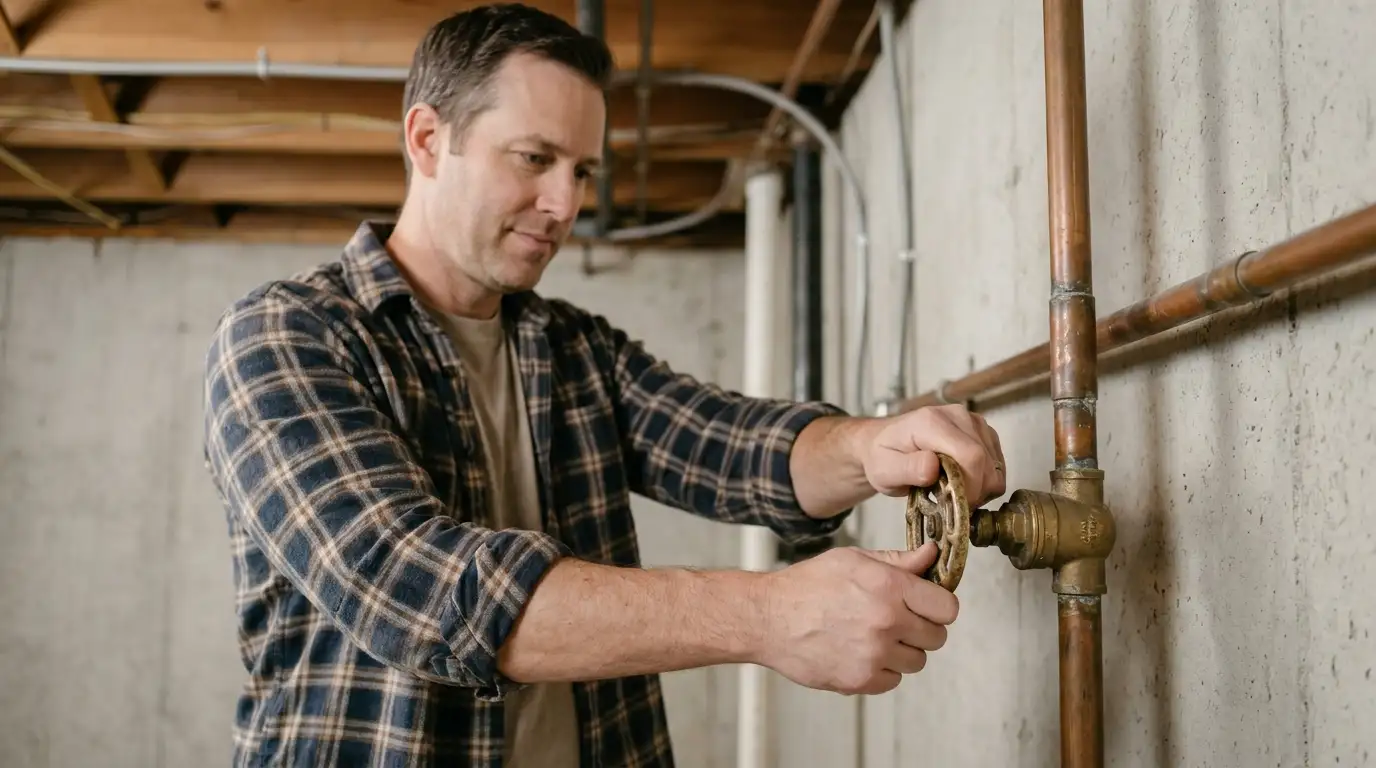
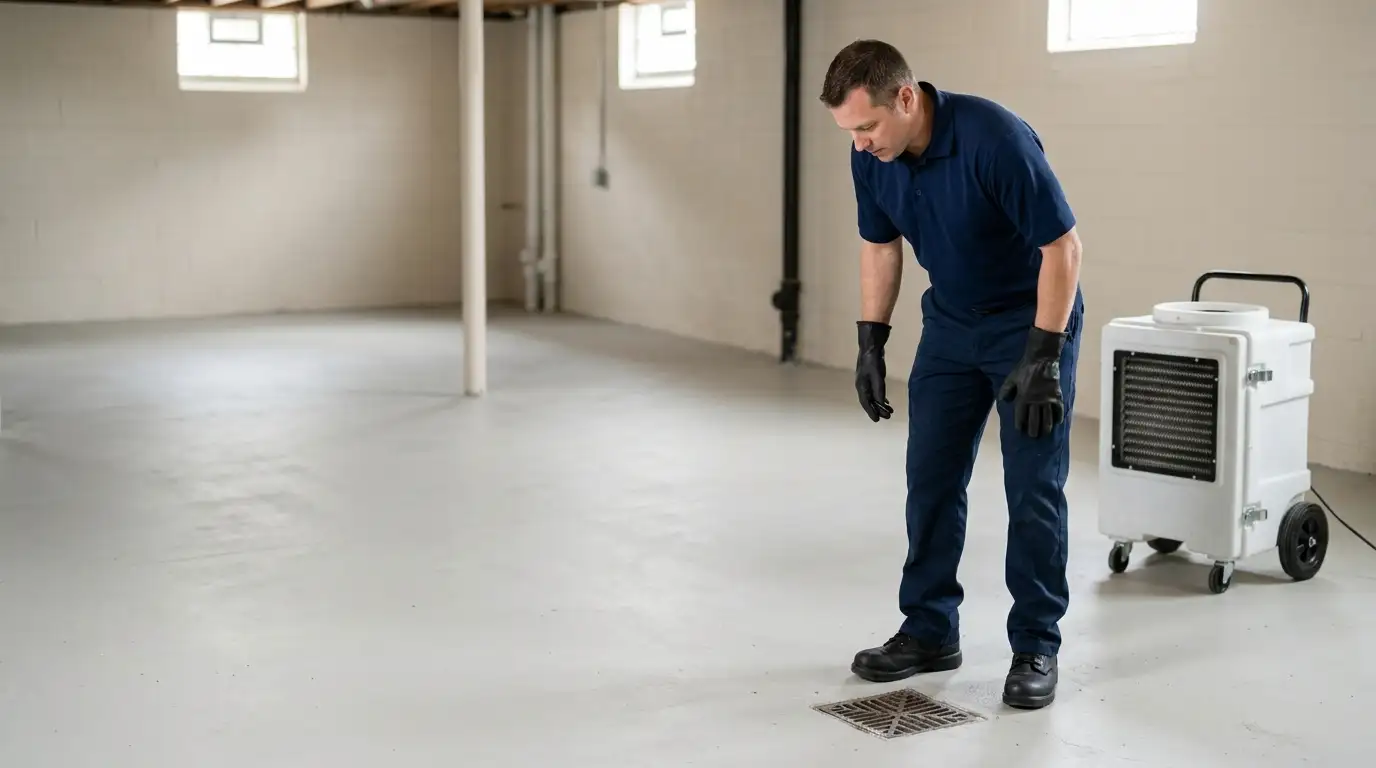
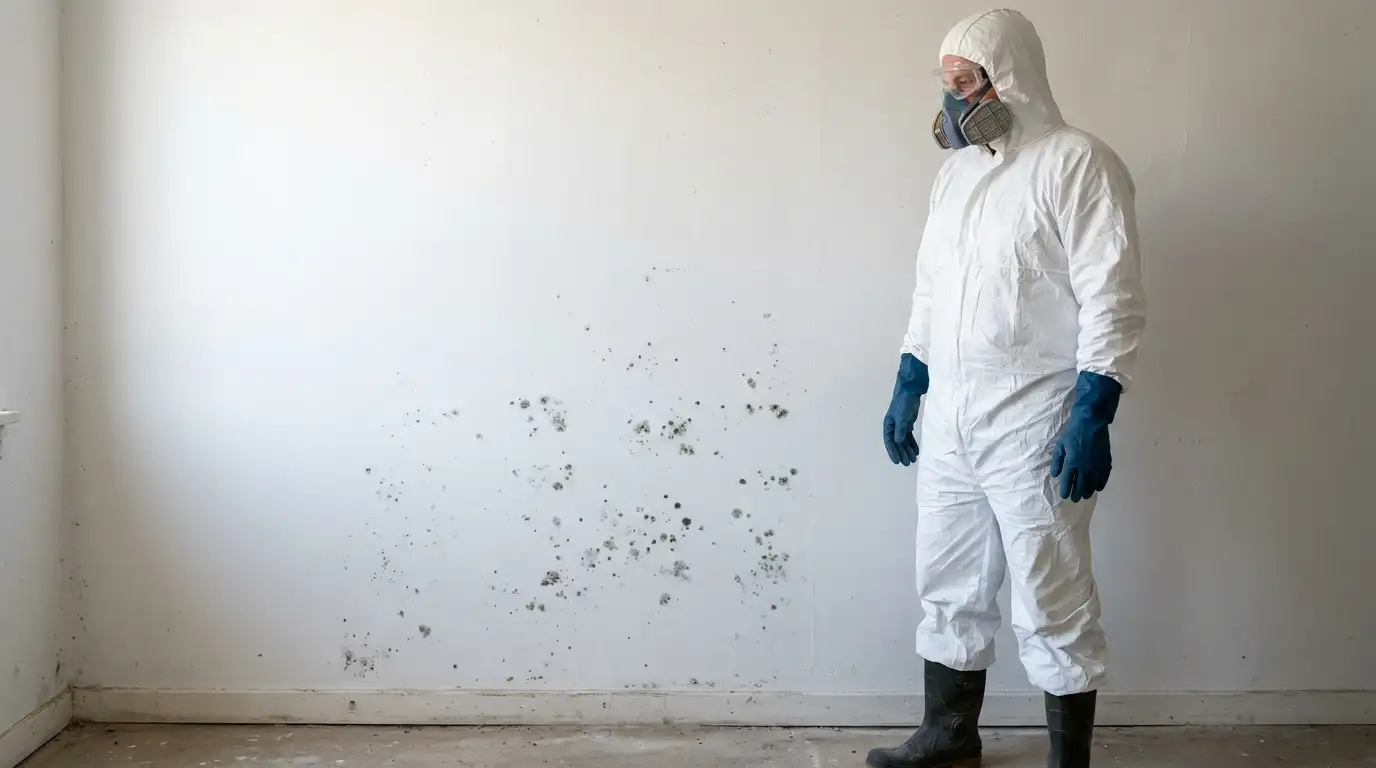
In a shared building, a sewage backup raises a second question beyond cleanup: who pays and who acts? The answer depends on where the blockage is, who owns the pipe, and what your lease, governing documents, and insurance say. Knowing the basics helps you protect your health and your claim.
Key takeaways
- Responsibility depends on where the blockage and damage are
- Tenants should notify the landlord or manager right away
- Owners should check the association rules and policies
- Document everything and keep records of belongings
Why shared buildings make sewage backups complicated
In a single-family home, a sewage backup is a clear problem for one owner. In an apartment, condo, or co-op, the same backup raises extra questions. Who owns the pipe that is blocked? Who has to pay for cleanup? Who has to give access to the units that were affected? In a dense city like Hoboken, where many people live in older converted buildings and newer condo towers, these questions come up often, and the answers depend on documents and facts that vary from building to building. This guide is general information, not legal advice. Check your lease, governing documents, and local rules, and consult a professional if you are unsure.
How plumbing works in a shared building
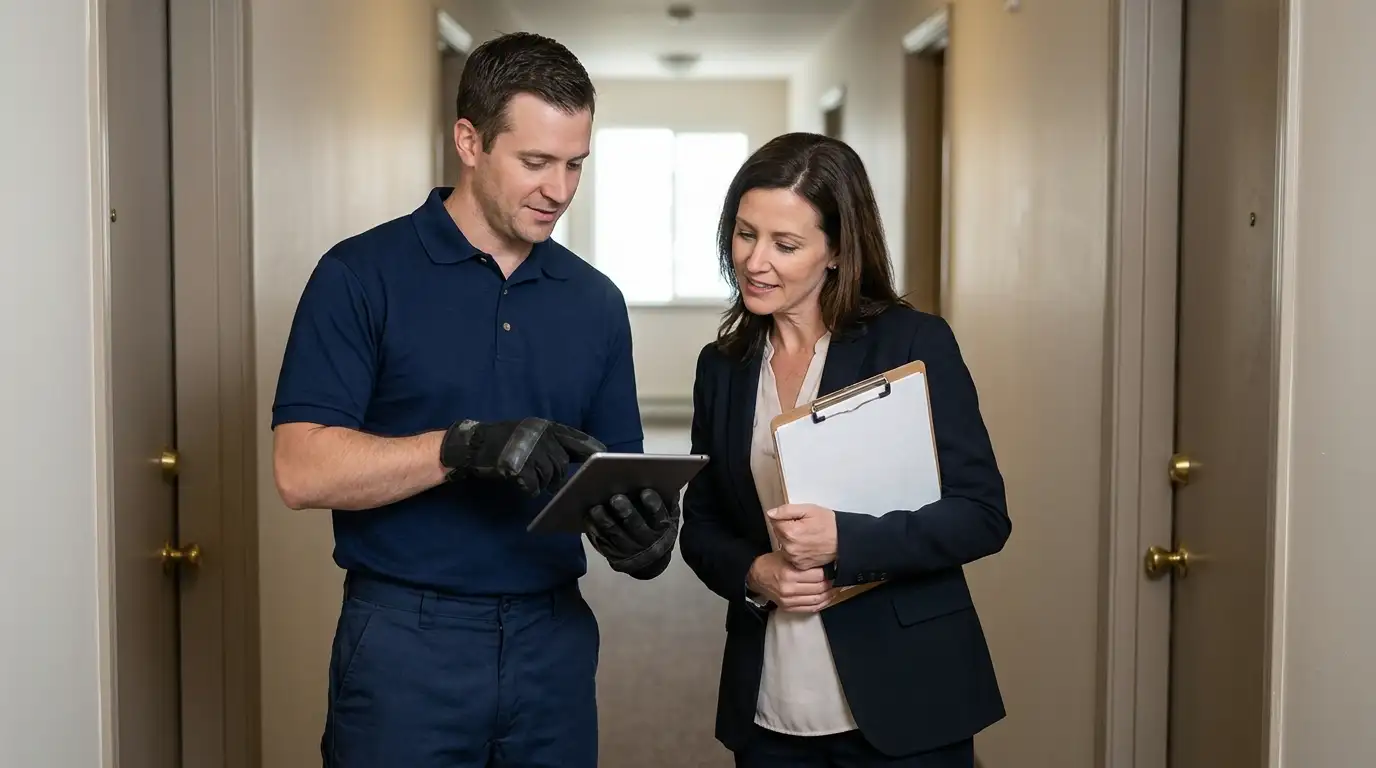
A building's plumbing has several layers. Each fixture in a unit, such as a toilet, sink, or shower, connects to a branch line inside that unit. Branch lines join a shared vertical pipe, often called a stack, that carries waste down through several floors. The stacks connect to a main building drain, which leads out through a service line, sometimes called a lateral, to the public sewer main under the street.
A blockage can occur at any of these points, and where it happens affects who is likely responsible and who is likely to be affected. A clog in one unit's branch line may affect only that unit. A clog in a shared stack or the main building drain can push sewage into several units at once, usually the lowest ones first.
Where the blockage is matters
- Inside one unit: A clogged branch line or fixture drain often affects that unit alone.
- In a shared stack or building drain: Waste can back up into multiple units, especially on lower floors and in basements.
- In the service line to the street: The blockage may be on the property side or on the city side, and the boundary can be important.
- In the public sewer main: A city or utility problem can cause backups for many buildings at once.
A licensed plumber can locate the blockage, often with a camera, and document where it is. That information is valuable for deciding who handles repairs and for any claim.
Who is usually responsible
Responsibility depends on the lease, the governing documents, and local rules, so the following are general patterns, not rules.
- Tenants: A landlord is commonly responsible for the building's plumbing and common systems. A tenant may be responsible for damage that results from their own misuse, such as flushing items that clog drains, depending on the lease and the facts.
- Condo and co-op owners: The association commonly maintains shared elements such as stacks and main drains, while a unit owner often maintains the pipes and fixtures within the unit. Governing documents set the exact line.
- Property owners and managers: They typically arrange plumbing repairs and cleanup of common areas and coordinate access to affected units.
- The city or utility: A public sewer main is generally the utility's responsibility, but whether the service line belongs to the property or the city depends on local rules.
First steps for tenants
- Stop using water and drains, and keep people and pets out of the affected area.
- Notify your landlord or property manager immediately, in writing if possible.
- Take photos and video of the damage and your belongings.
- Keep receipts for any emergency expenses, such as a hotel stay.
- Check whether you have a renters policy for your belongings and report the loss.
- Avoid touching or cleaning contaminated materials yourself.
First steps for owners
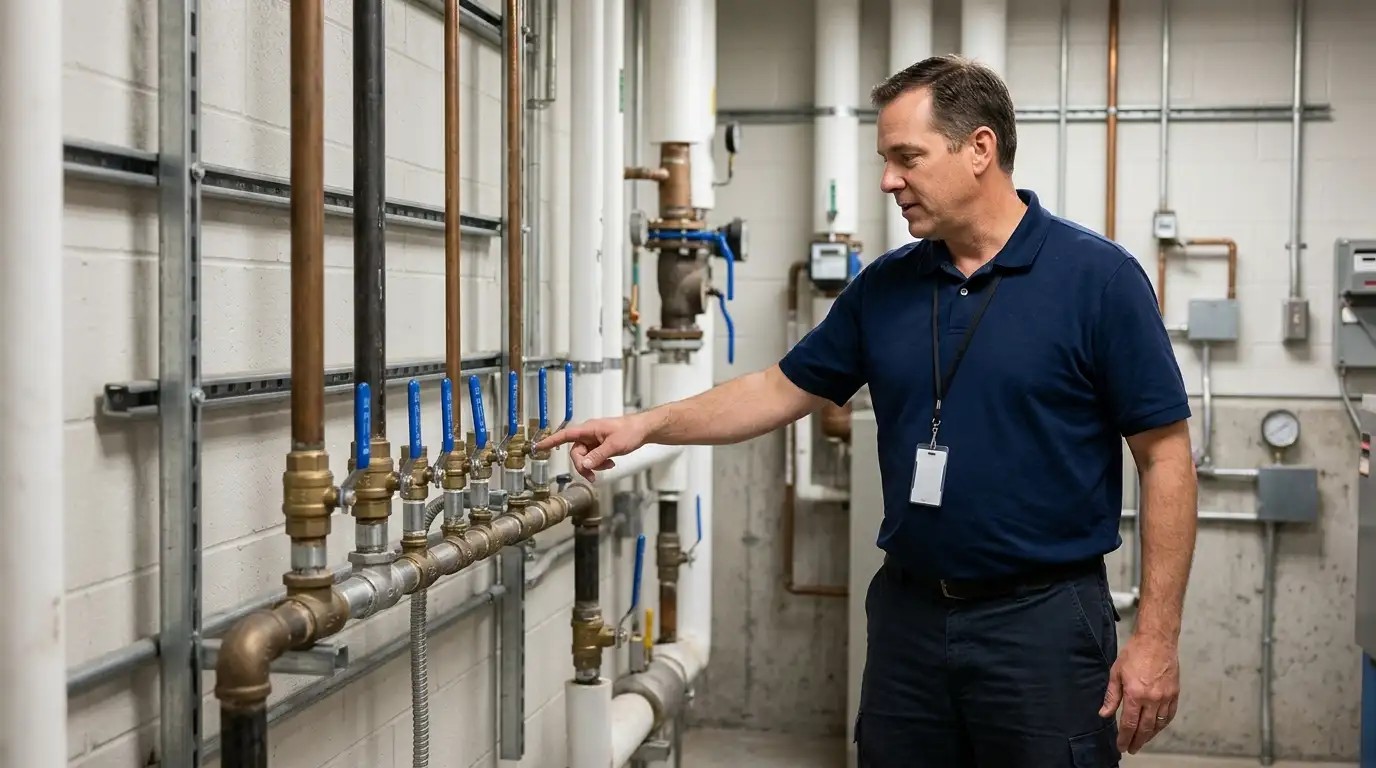
- Notify the association or property manager right away.
- Photograph and document damage in your unit.
- Review your governing documents and your policy to see who is responsible for each part of the loss.
- Call a plumber and a restoration company to address your unit.
- Report the loss to your insurer and ask how it interacts with the association's policy.
First steps for property managers and boards
- Locate the blockage with a licensed plumber and stop further backup.
- Notify affected residents promptly and explain what is happening and what to avoid.
- Arrange emergency cleanup of common areas and coordinate access to affected units.
- Document conditions in every unit, including photos and moisture readings.
- Notify the building's insurer and keep records of invoices, notices, and communications.
Coordinating cleanup across several units
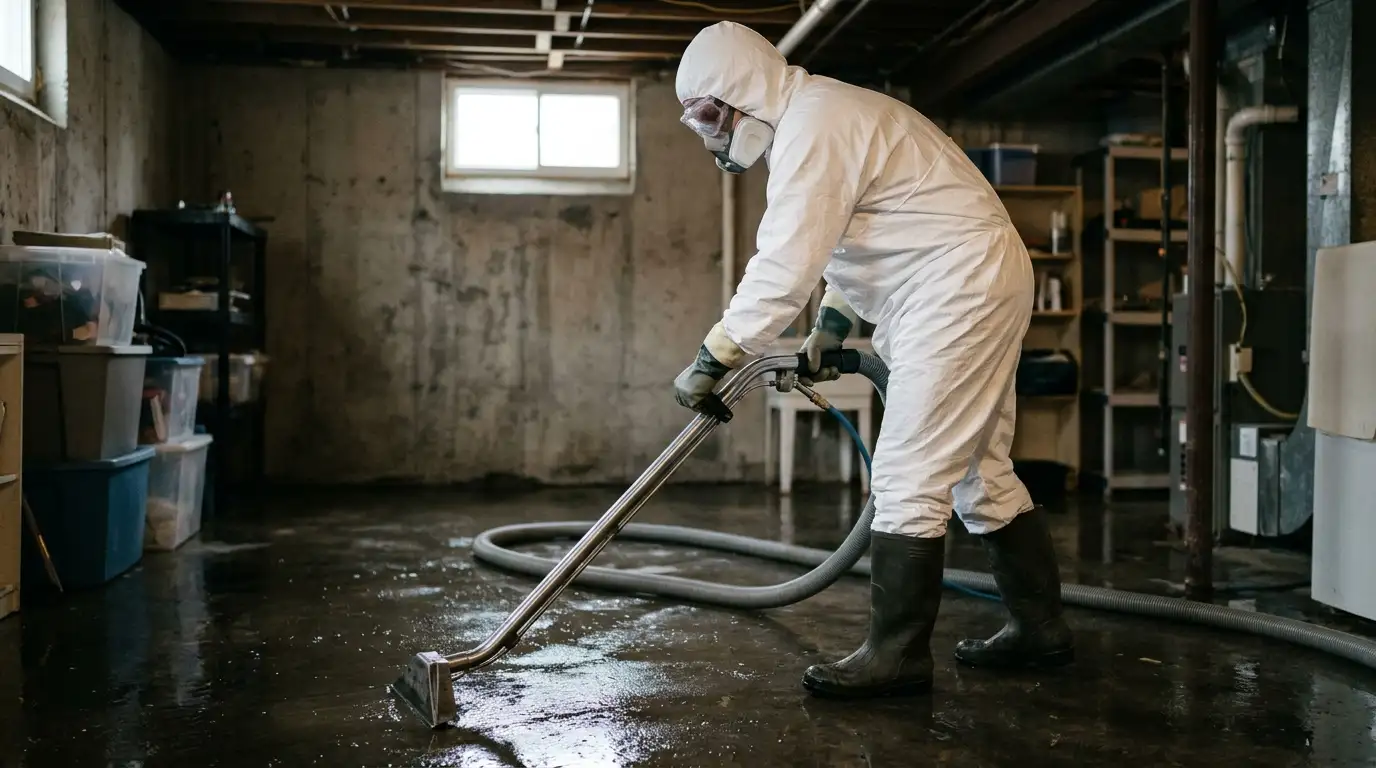
When a backup affects several units, a single restoration team can save time and keep standards consistent. The team contains the area, removes contaminated water and porous materials, disinfects, and dries each affected space. Coordinate access schedules in advance, since delays can lengthen the job and increase damage. Daily communication with residents helps reduce frustration.
Insurance in shared buildings
Several policies may apply. A renters policy generally covers a tenant's belongings. A condo owner's policy generally covers the interior of the unit and belongings, while the association's policy covers common elements. Sewer or drain backup is often excluded unless an endorsement was added, and limits vary. Report the loss early, document everything, and ask each insurer what is covered. Do not assume that another party's policy will pay.
Prevent disputes with good records
- A written timeline of when the backup was discovered and reported
- Photos and video of every affected area
- The plumber's report showing where the blockage was
- The restoration company's scope, moisture logs, and invoices
- Copies of notices, emails, and agreements with residents
How to prevent sewage backups in shared buildings
- Remind residents not to flush wipes, paper towels, or grease down drains.
- Schedule periodic cleaning and camera inspection of stacks and main lines.
- Install backwater valves where appropriate.
- Keep cleanouts accessible and labeled.
- Maintain a log of repairs and past backups.
Frequently asked questions
Is my landlord responsible for a sewage backup? Often the landlord handles the building's plumbing, but the lease, the cause of the backup, and local rules all matter.
Who pays for cleanup in a condo? It depends on where the blockage and damage are and on the governing documents and policies. Ask your association and insurer.
Can I clean it up myself? No. Sewage is hazardous and should be handled by trained professionals.
When to call a professional
Call a plumber to find the blockage and a restoration company to clean and disinfect as soon as a backup occurs. Fast, professional cleanup protects health and limits damage across the building.
How our team helps
Sewage backups are hazardous. Our crews contain the area, remove contaminated water and materials, and sanitize surfaces so your home is safe again. Our Hoboken crews answer 24/7, find the source, and keep you updated until the property is dry and repaired.