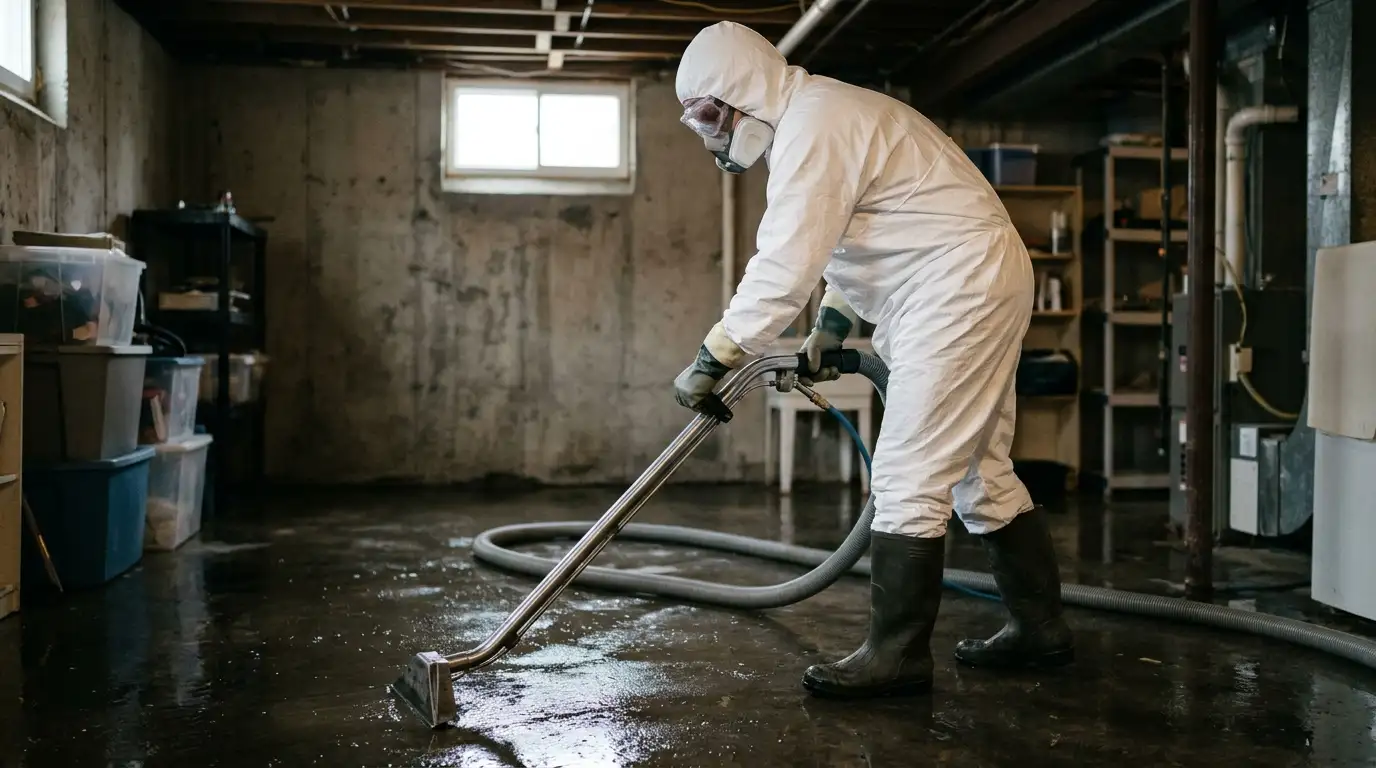
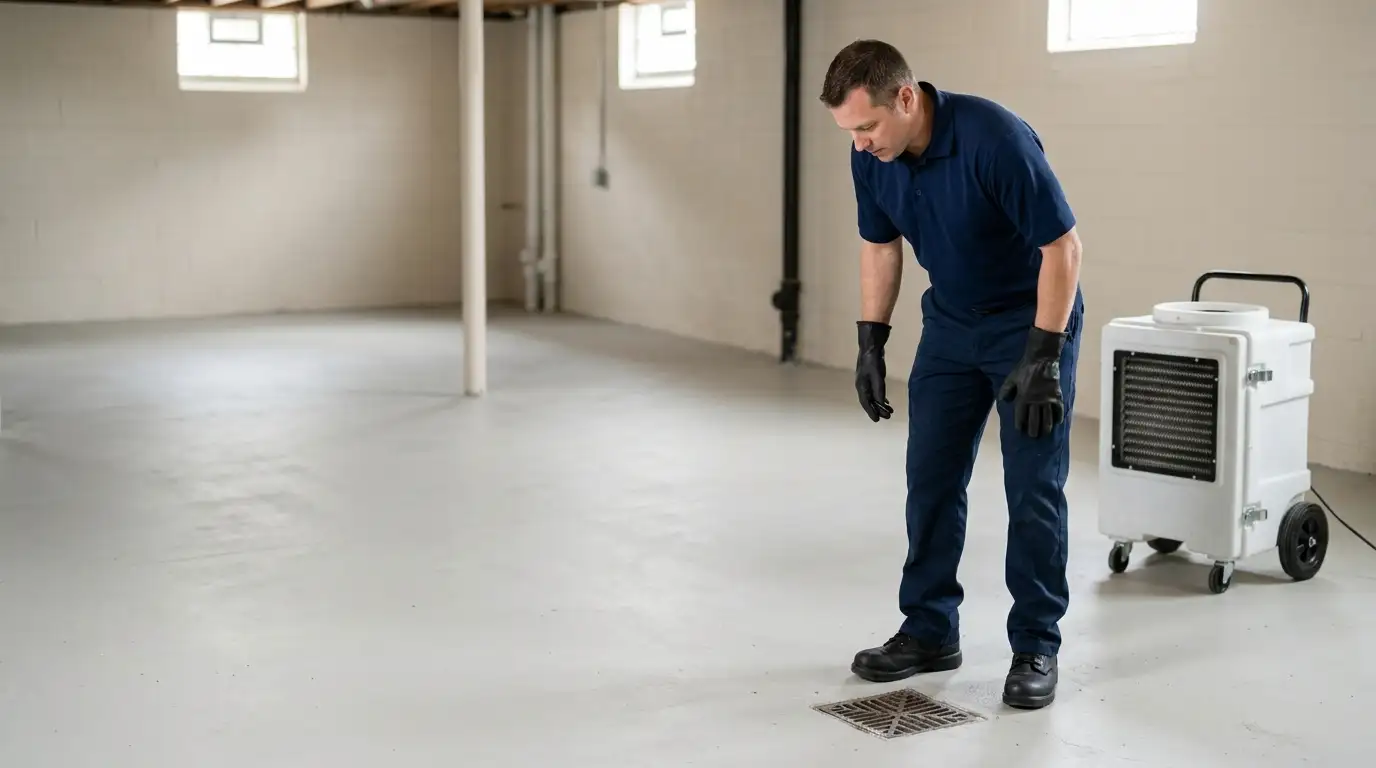
Policies usually cover sudden accidents like a burst pipe but typically exclude flood water from outside. Sewer or drain backup often needs an added endorsement, and flood coverage is a separate policy. Read your policy and call your insurer early. We document the loss to support your claim.
Key takeaways
- Sudden accidents like burst pipes are often covered
- Outside flood water usually needs a separate flood policy
- Sewer or drain backup may need an added endorsement
- Call your insurer early and document the loss
The short answer
Usually, a standard homeowners policy does not cover flooding that comes from outside your home, and it often does not cover water that backs up through a drain or sewer unless you added coverage for it. It often does cover sudden and accidental water damage from inside your home, such as a burst pipe. The type of water, where it came from, and what your policy says decide everything. This guide is general information, not legal or insurance advice, so always confirm details with your own insurer or agent.

What standard policies usually cover
Most homeowners policies cover damage that is sudden and accidental. In basement terms, that often includes:
- A burst or frozen pipe that floods the basement
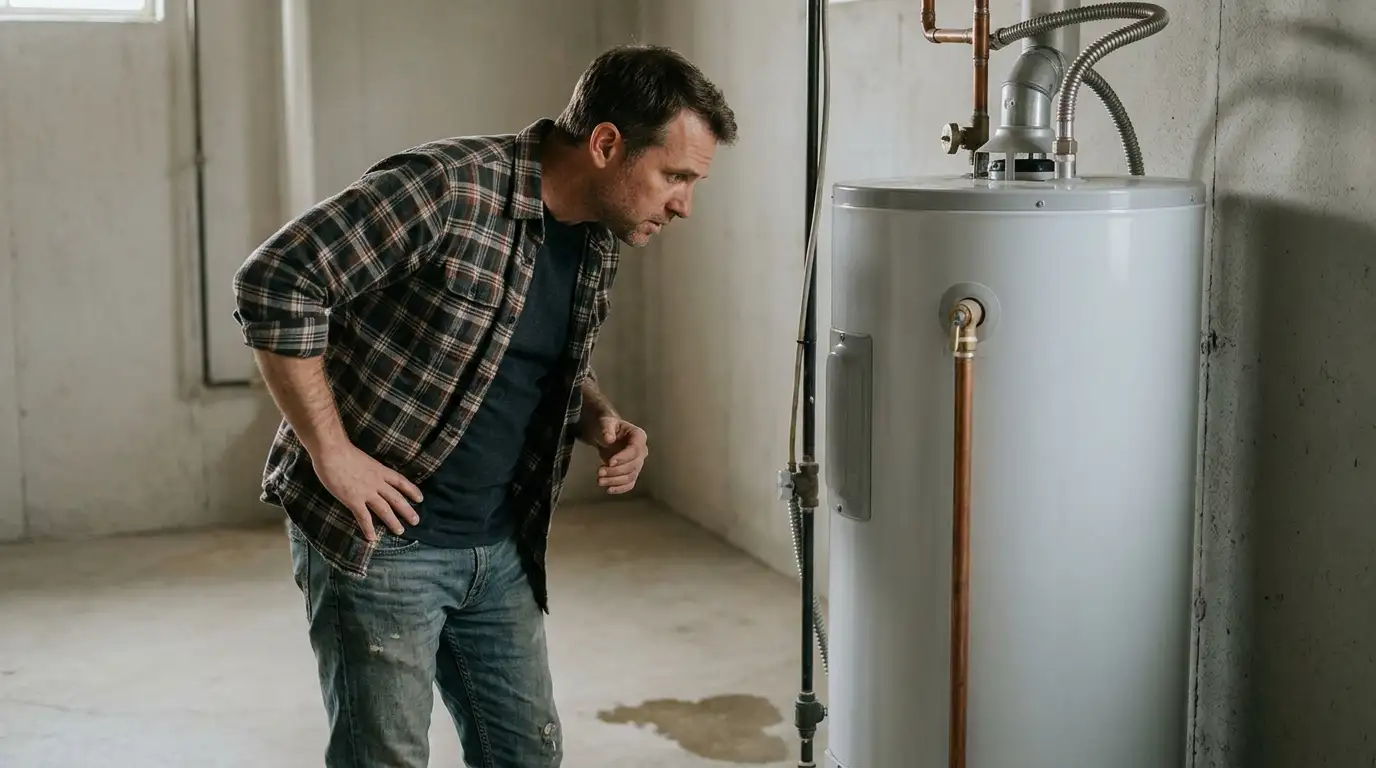
- A failed water heater or appliance that leaks suddenly
- Water damage from a plumbing supply line that fails unexpectedly
Coverage typically applies to the structure and, depending on the policy, personal belongings. Many policies also pay for reasonable steps to prevent further damage, such as water extraction and drying.
What standard policies usually exclude
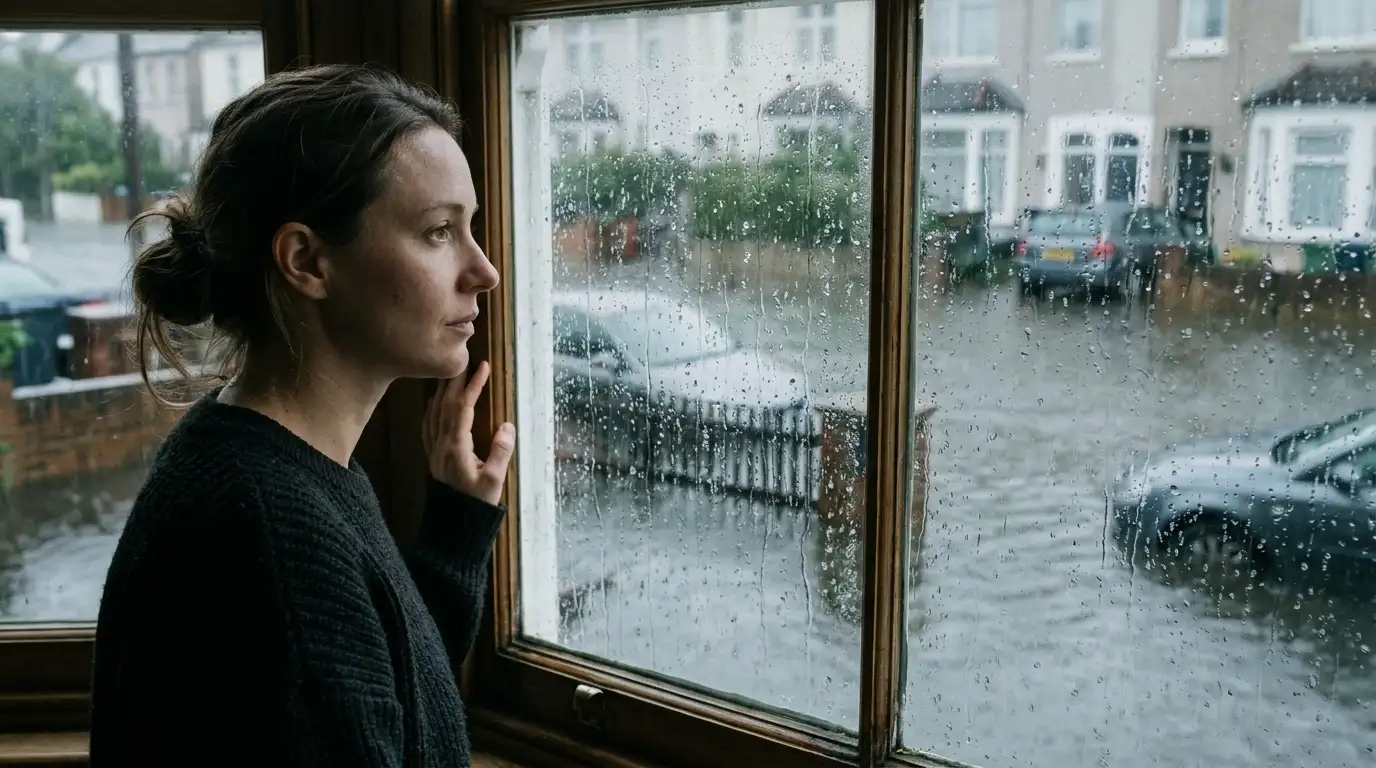
- Flood: Water that rises from outside, such as storm surge, overflowing rivers, or heavy rain that pools around the building.
- Groundwater and seepage: Water that comes through foundation walls, floors, or cracks from the surrounding soil.
- Sewer and drain backup: Often excluded unless you add an endorsement.
- Sump pump failure or overflow: Frequently excluded without added coverage.
- Gradual damage and neglect: Long-term leaks, rot, and problems caused by poor maintenance.
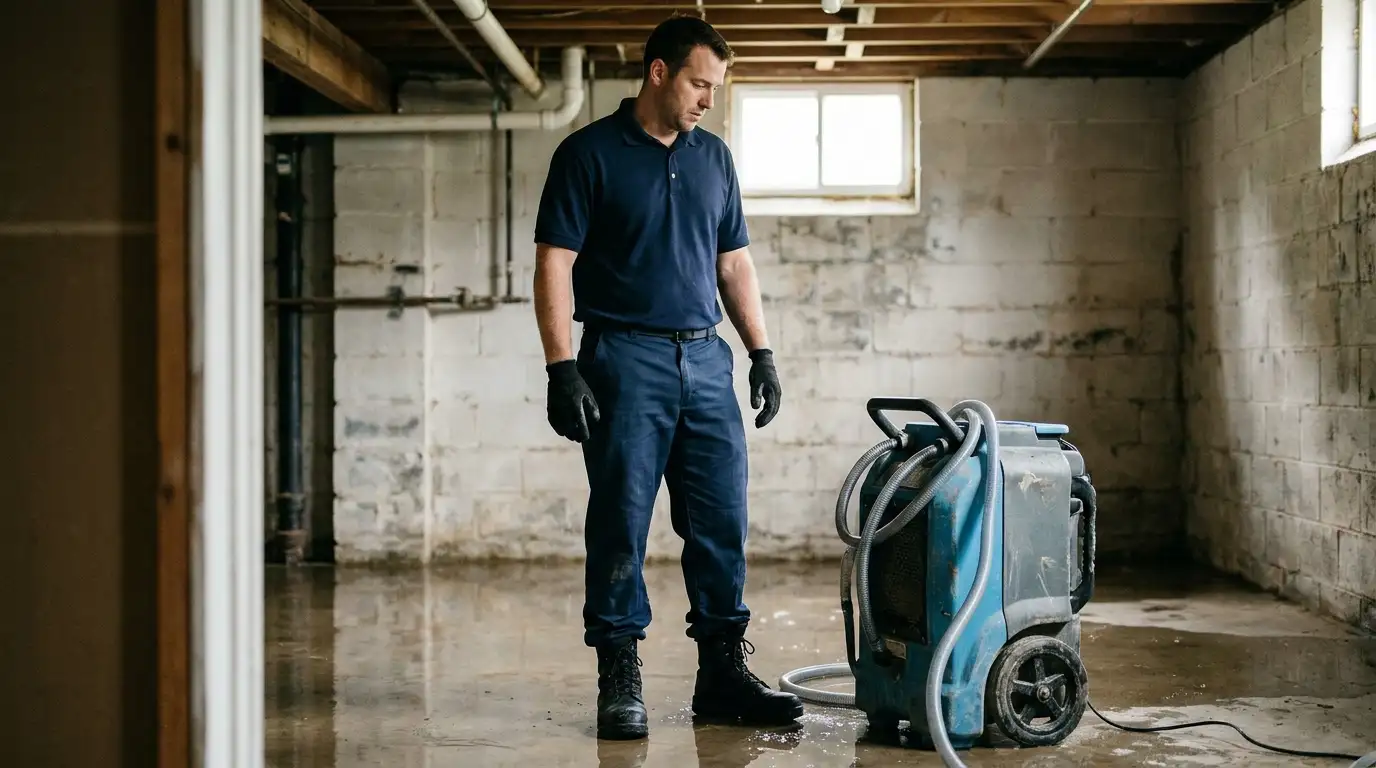
Three kinds of basement water
It helps to separate the water into three types, because insurers treat them differently.
- Water from inside the building: A pipe, appliance, or water heater fails. This is the type most often covered.
- Water backup: Water or sewage comes up through a drain or sewer line. Coverage usually requires an endorsement.
- Flood or surface water: Water enters from outside after heavy rain or a storm. This usually requires a separate flood policy.
Coverage options to ask about
- Water backup endorsement: Adds coverage for sewer or drain backup and sometimes sump pump failure, often with a set limit.
- Flood insurance: Available through the National Flood Insurance Program and private insurers. NFIP policies usually have a waiting period of about 30 days before they take effect, so buying after a storm is too late.
- Higher limits: Backup endorsements often have lower limits than the main policy, so ask whether yours is enough.
Flood policies also treat basements differently. Coverage for finished basements and belongings is often limited, so ask exactly what is and is not included.
Hoboken and flood risk
Hoboken sits low along the Hudson River, and large parts of the city have a history of flooding during heavy rain and storm surge. Many properties are in mapped flood zones, and lenders may require flood insurance for properties in higher-risk areas. You can check your address on FEMA's flood maps and ask your insurance agent about the risk and your options. Even if you are outside a mapped zone, basement flooding can still happen.
Renters and condo owners
If you rent, your landlord's policy covers the building, but it usually does not cover your belongings, so a renters policy matters. If you own a condo, your policy typically covers your unit's interior and personal property, while the association's policy covers the building and common areas. Water damage in shared buildings often involves several policies, so review your documents and ask the association or property manager who is responsible.
What to do right after a basement floods
- Stay out if there is standing water near electrical outlets, panels, or appliances, and turn off power only if you can do so safely.
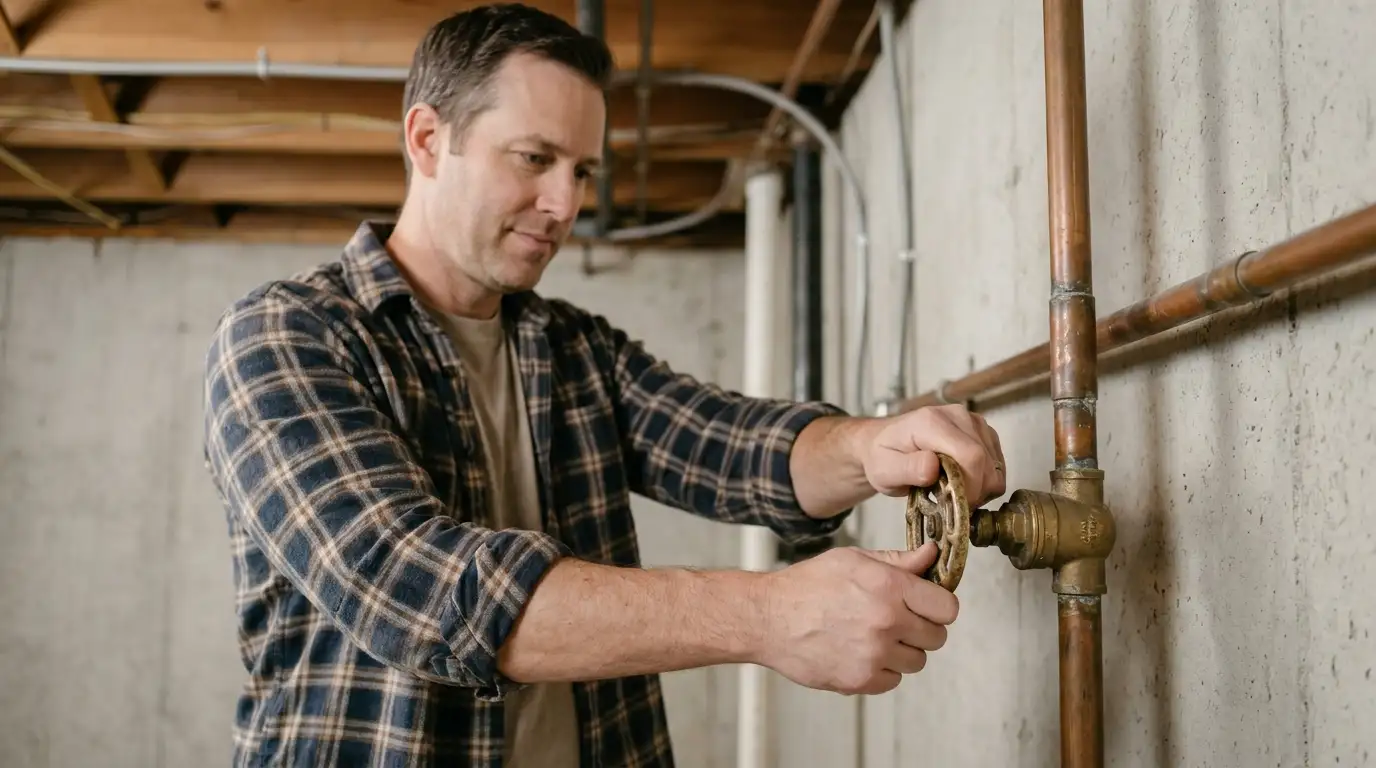
- Stop the source if it is an internal leak.
- Take photos and video before cleanup.
- Move belongings out of the water if it is safe to do so.
- Call a restoration company to extract water and begin drying.
- Report the loss to your insurer as soon as possible.
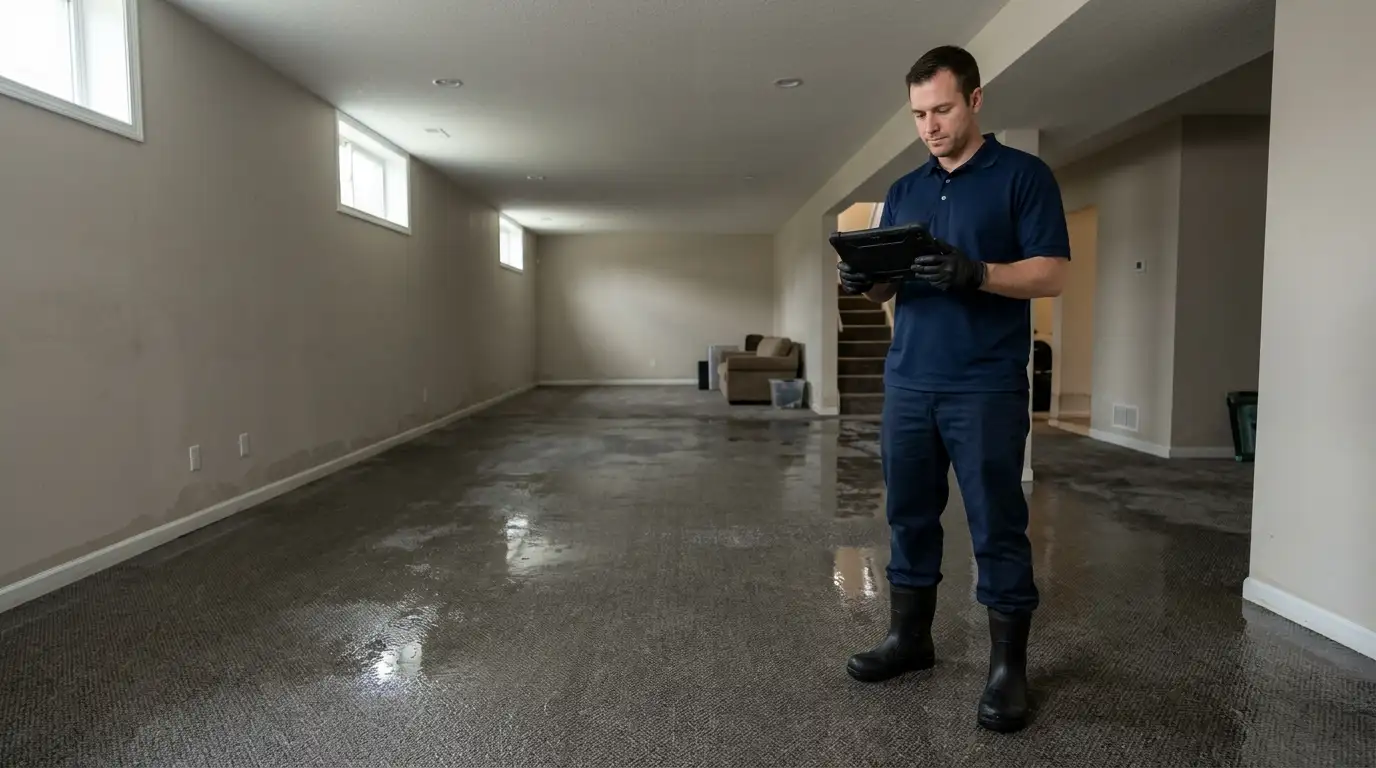
How to document the loss for a claim
- Photos and video of the water, the source, and every damaged area
- A list of damaged items with descriptions, ages, and approximate values
- Receipts for emergency repairs and mitigation
- Notes with dates and times of each step and each conversation with your insurer
- A written scope and moisture logs from your restoration company
Keep damaged materials until your adjuster has seen them or approved disposal, and ask whether you should keep samples of larger items.
How restoration companies help
A restoration company handles the water extraction, drying, and cleanup, and it provides documentation such as photos, moisture readings, and an itemized scope of work. This documentation can help your claim move forward more smoothly. The restoration company does not decide coverage. That decision belongs to your insurer, so keep communication open and ask questions about what is and is not covered.
Questions to ask your insurance agent
- Does my policy cover sudden pipe bursts and appliance leaks in the basement?
- Do I have water backup or sump pump coverage, and what is the limit?
- Do I need flood insurance, and how does coverage work for a finished basement?
- What is my deductible for each type of water loss?
- What steps do I need to take to protect my claim after a loss?
Frequently asked questions
Does homeowners insurance cover a flooded basement from heavy rain? Usually not. Rising or surface water is typically considered flood, which requires a separate flood policy.
Is sewer backup covered? Often only with an added endorsement, so check your policy.
Should I file a claim for a small leak? Ask your insurer or agent. Some people handle small losses on their own, but reporting promptly and documenting the damage keeps your options open.
When to call a professional
Call a restoration company as soon as water enters your basement, and call your insurer quickly. Fast drying limits damage, and clear documentation helps you work through your claim.
How our team helps
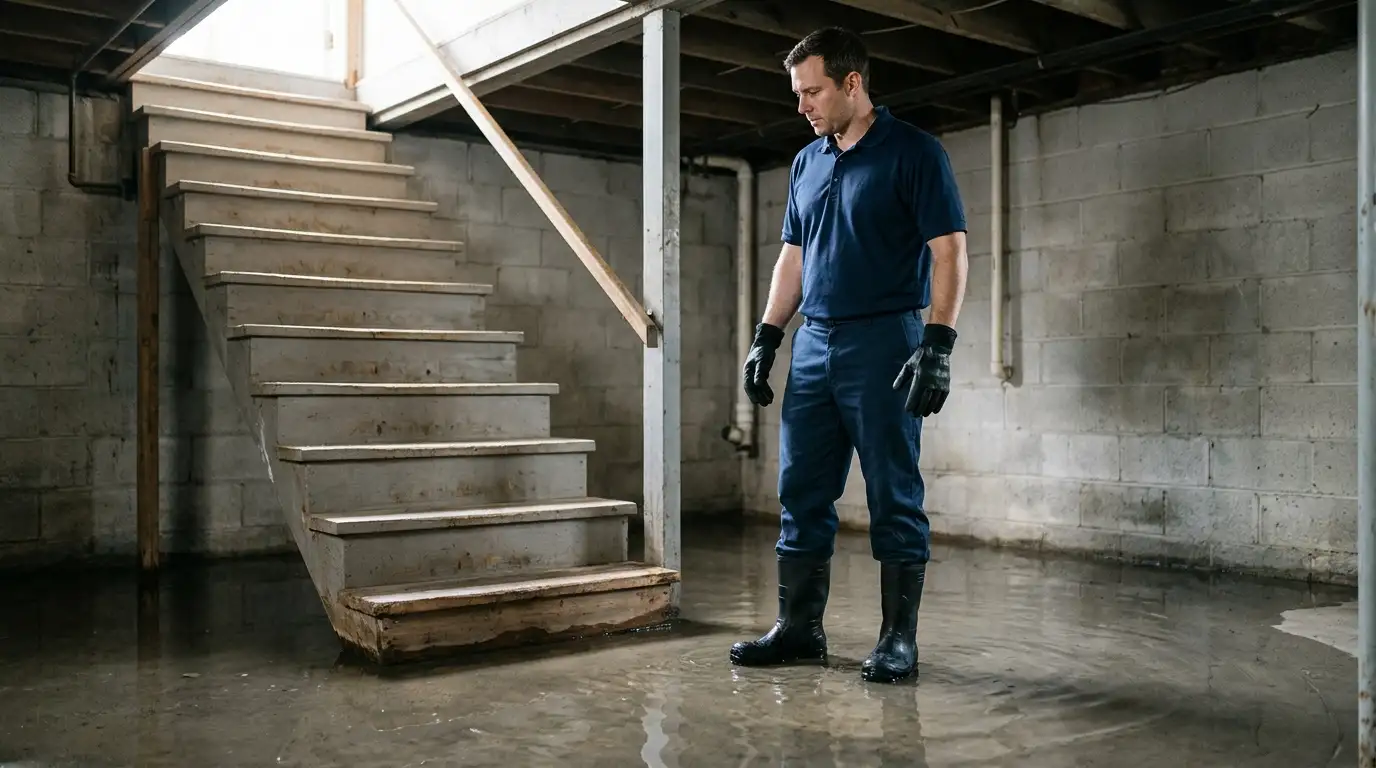
We pump out flooded basements and crawl spaces, remove wet materials, dry the structure, and disinfect surfaces so your lower level is safe to use again. Our Hoboken crews answer 24/7, find the source, and keep you updated until the property is dry and repaired.