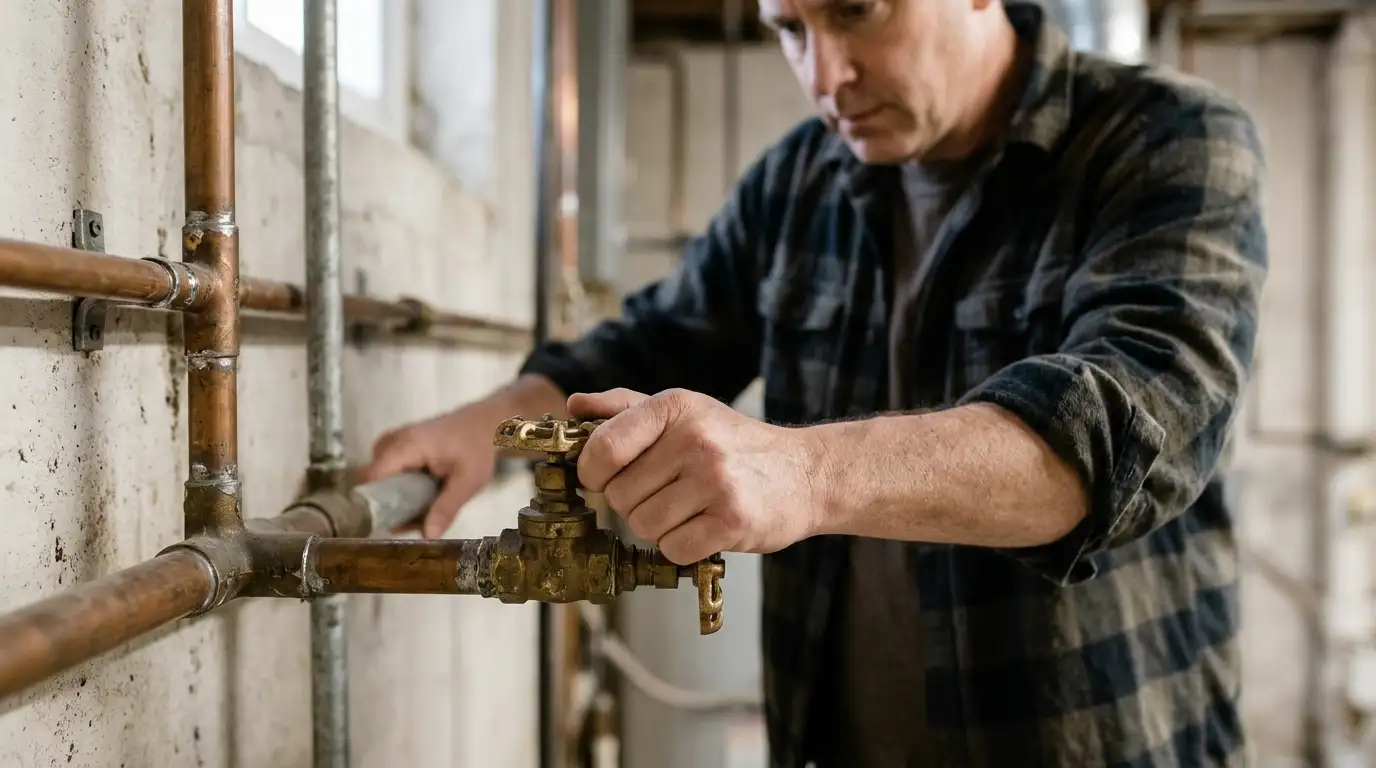
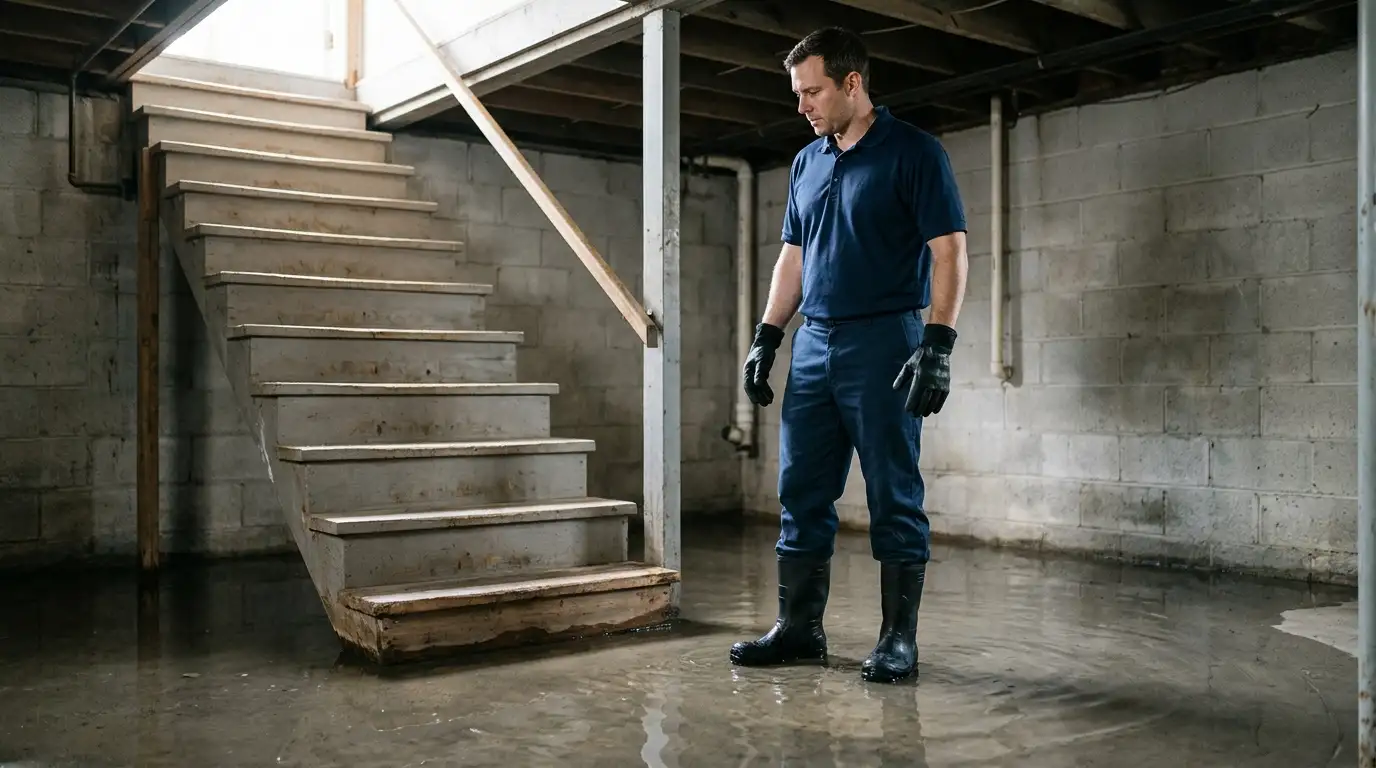
Category 1 is clean water from a supply line. Category 2, gray water, comes from sources like dishwashers and washing machines. Category 3, black water, includes sewage and flood water and is hazardous. Higher categories need more protective gear and often removal of porous materials.
Key takeaways
- Category 1 is clean water from a supply line
- Category 2 is gray water from appliances like dishwashers
- Category 3 is black water from sewage or flooding
- Higher categories need protective gear and removal of porous materials
Why the category of water matters
Not all water damage is the same. A pipe that leaks clean water into a kitchen cabinet is a very different problem from a sewer line that backs up into a basement, even if both leave an inch of water on the floor. Restoration professionals sort water into three categories because the category decides how dangerous the water is, which materials can be saved, what protective equipment crews need, and how much work the job will involve.
If you understand the categories, you can make better decisions in the first hour of a loss, ask your insurer better questions, and recognize when a "small leak" is really a job for trained technicians. In a dense city like Hoboken, where buildings share walls, floors, and drain lines, that knowledge matters even more.
Category 1: clean water
Category 1 water comes from a sanitary source and does not pose a substantial health risk at the moment it is released. Typical sources include:
- A broken or burst supply line
- An overflowing sink or bathtub with clean water
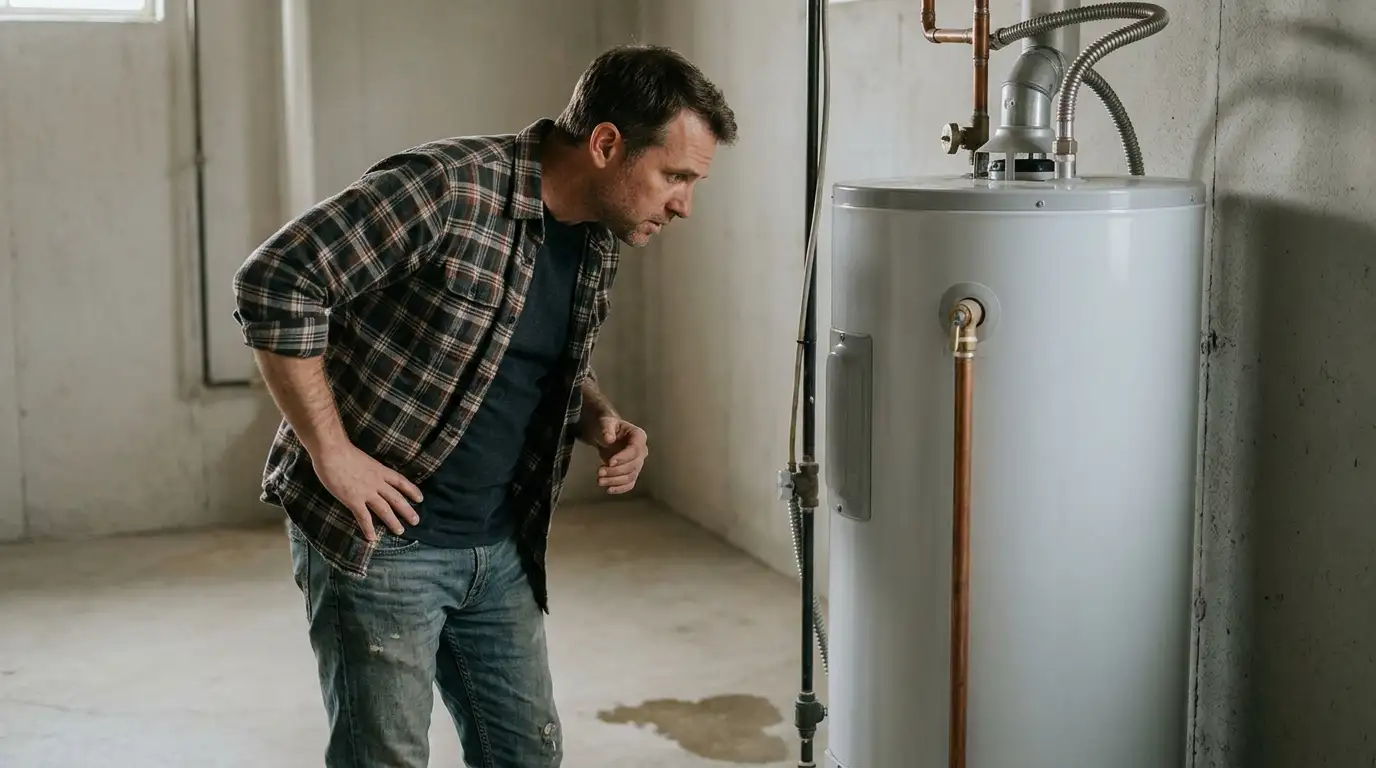
- A leaking water heater or a failed supply hose
- Rain that enters through a window or small roof opening before it picks up contaminants
Clean water is the easiest type to deal with, but only if it is handled quickly. Standing water soaks into drywall, subfloors, insulation, and baseboards within hours. Dry the area within a day or two and most materials can be saved. Leave it for several days and the water picks up dirt, bacteria, and mold spores from the materials it touches, which pushes the loss into a higher category.
Category 2: gray water
Category 2 water, often called gray water, contains a significant level of contamination and can cause illness if people come into contact with it or swallow it. Common sources are:
- Discharge from a dishwasher or washing machine
- Overflow from a toilet that contains urine but no solid waste
- Water from a failed sump pump
- Water from aquariums or waterbeds
- Category 1 water that has been sitting long enough to become contaminated
Gray water is not an emergency in the same way sewage is, but it should not be treated like a simple spill. Porous materials such as carpet padding and unfinished wood are often removed, while hard surfaces can usually be cleaned and disinfected. Technicians wear gloves and other protective gear, and they use antimicrobial treatments in the affected area.
Category 3: black water
Category 3 water is grossly contaminated and may contain harmful bacteria, viruses, and other pathogens. It is the most hazardous category, and it should never be cleaned up by homeowners or building staff without proper training and equipment. Sources include:
- Sewage backing up from a drain or sewer line
- Toilet backflow that contains waste
- Floodwater that rises from outside, such as storm surge or an overflowing river
- Standing water that has sat for a long time and grown significant bacteria or mold
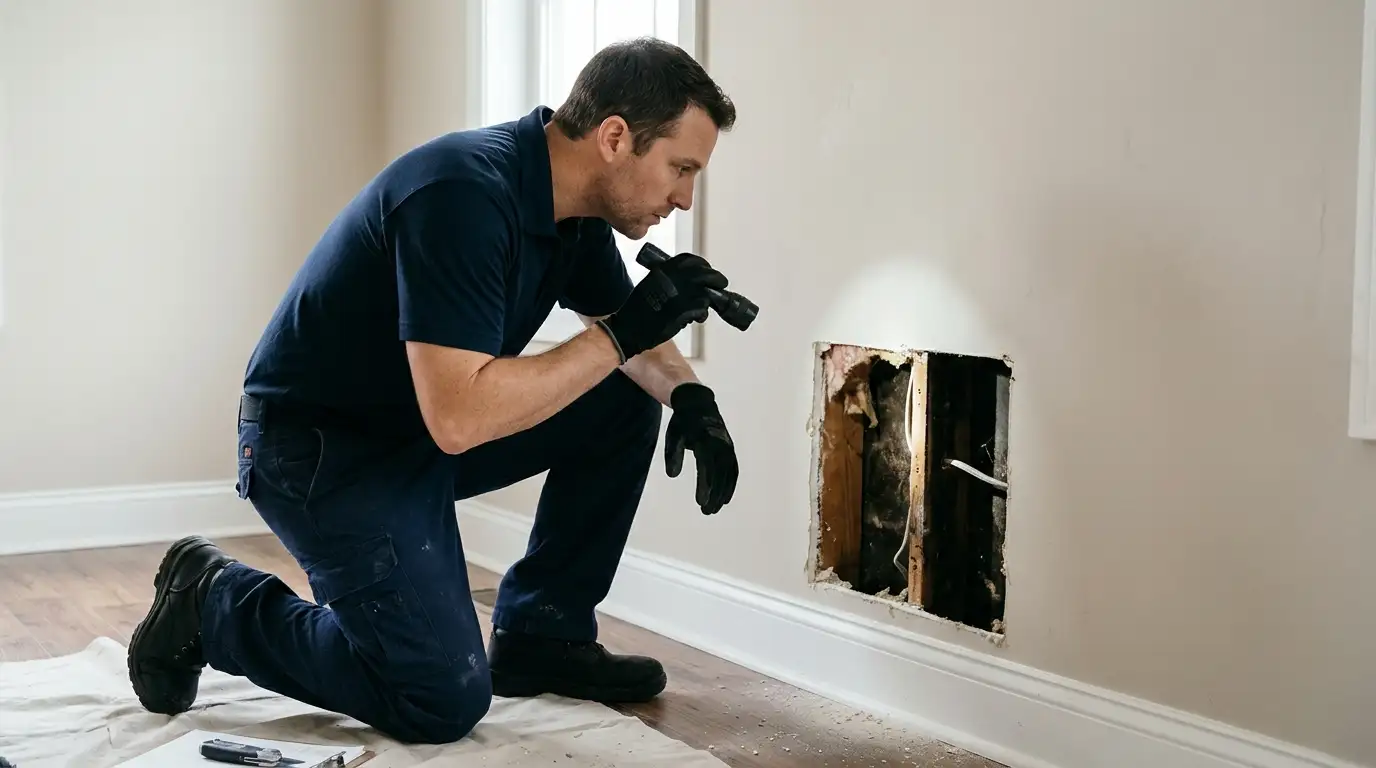
Because the contamination is so serious, Category 3 jobs follow stricter rules. Crews contain the area, wear protective equipment, and remove porous materials that touched the water, including carpet, padding, insulation, and often the lower portion of drywall. Hard surfaces are cleaned and disinfected, and the structure is dried completely before rebuilding begins.
If sewage or floodwater has entered your home or building, keep people and pets away, avoid contact with the water, and call a professional right away.
How water can move from one category to another
Water categories are not permanent labels. A loss can start as Category 1 and move to Category 2 or Category 3 as time passes. Warm indoor temperatures, organic material in carpet or wood, and delays in drying all speed up the change. This is why restoration companies stress a fast response: a burst pipe that is addressed within hours is a manageable clean water job, while the same water left for several days may require far more demolition and cost.
What the category means for the cleanup process
Each category changes the work plan.
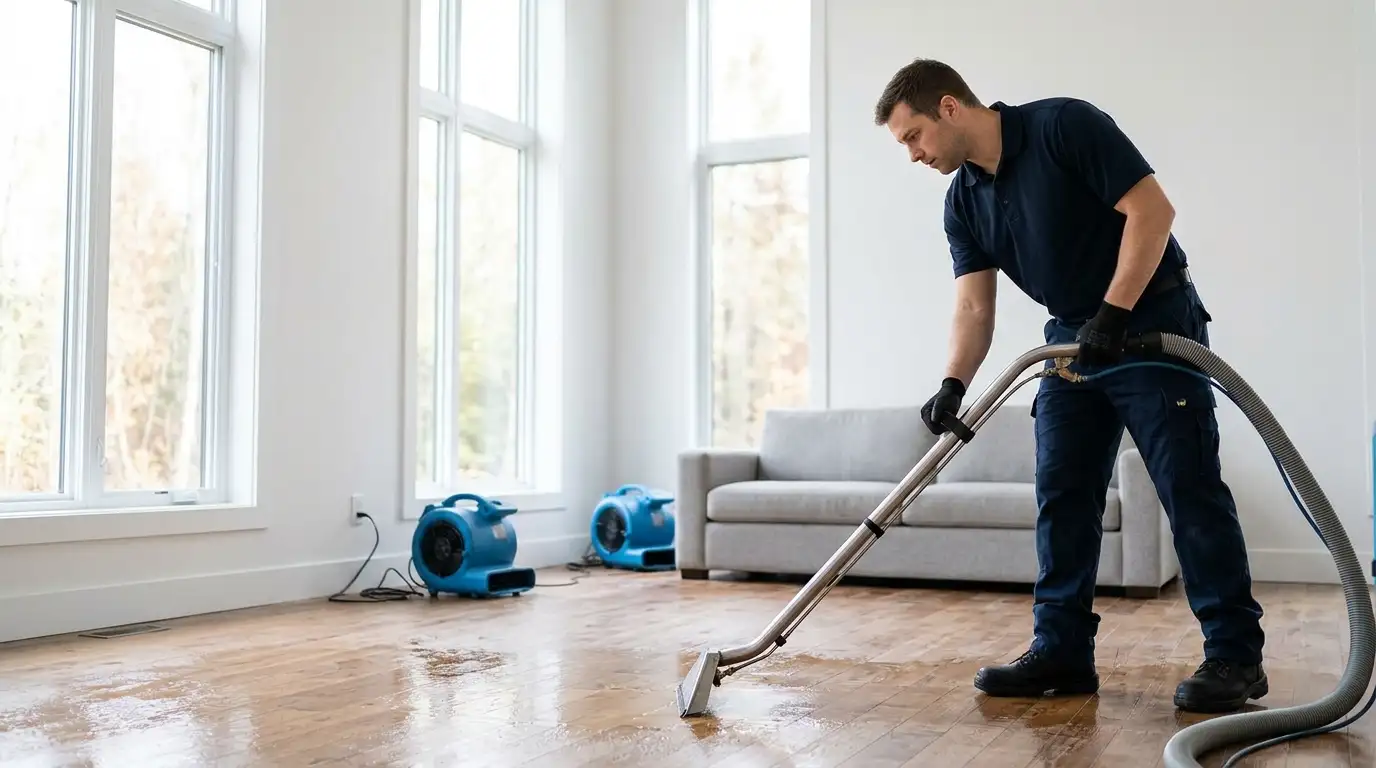
- Category 1: Extract the water, set air movers and dehumidifiers, and monitor moisture until the structure is dry. Many materials can be saved.
- Category 2: Extract the water, clean and disinfect, remove porous materials that cannot be reliably cleaned, then dry the structure.
- Category 3: Contain the area, use full protective equipment, remove contaminated porous materials, disinfect, dry, and verify conditions before rebuilding.
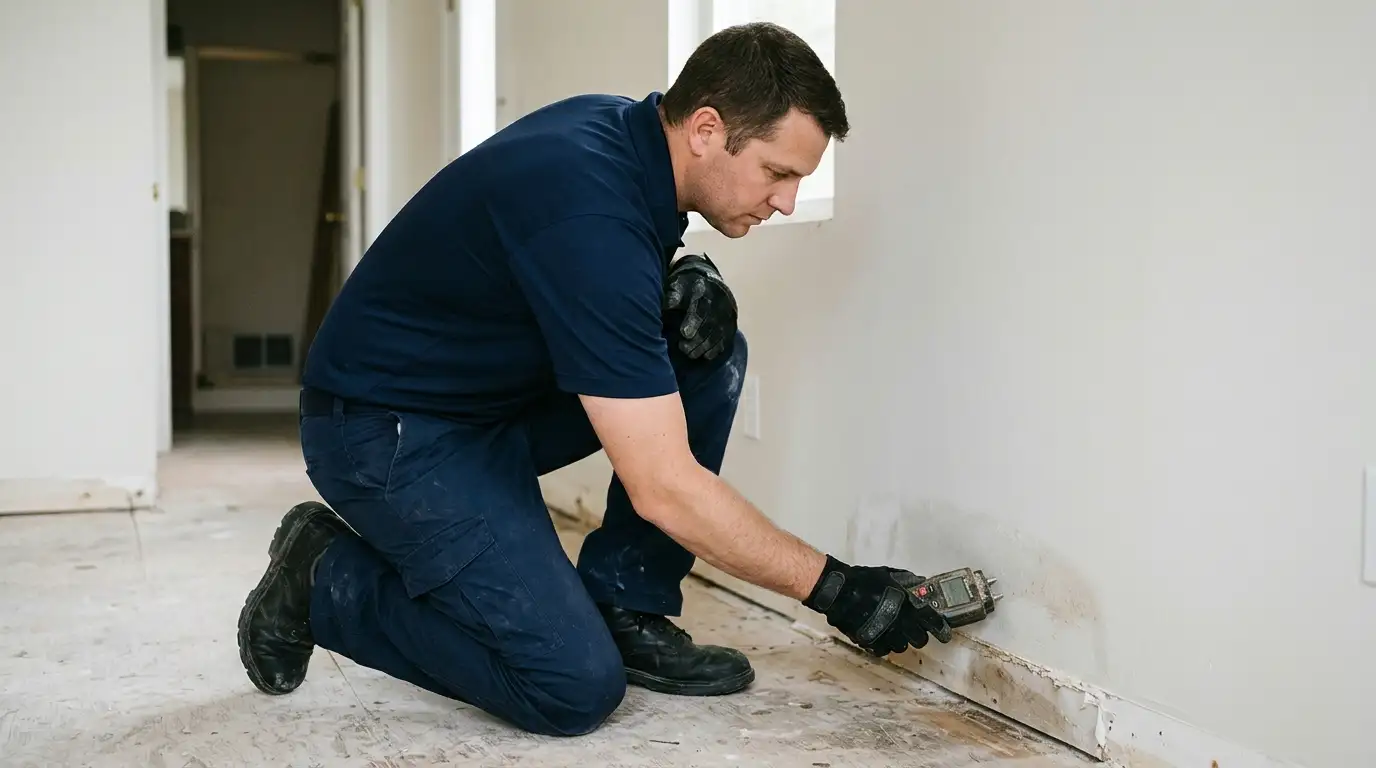
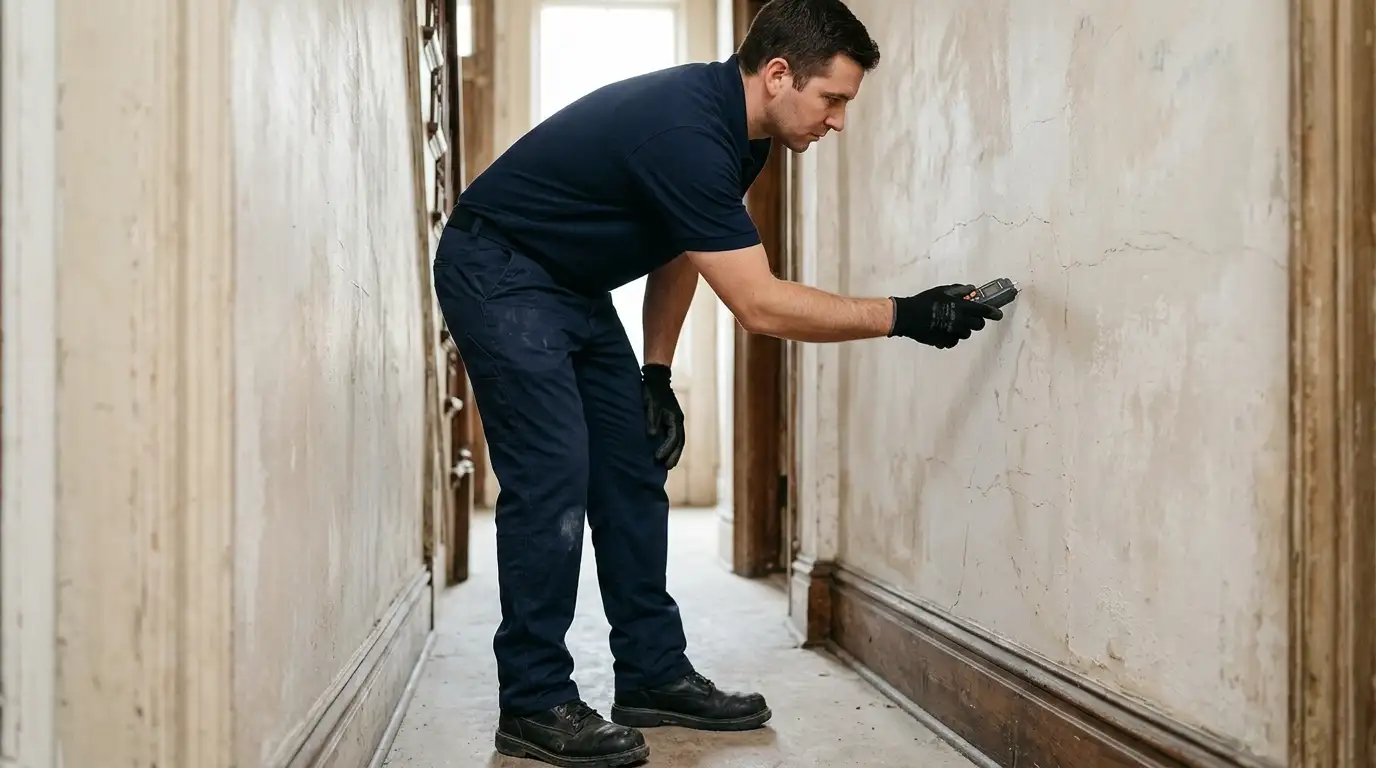
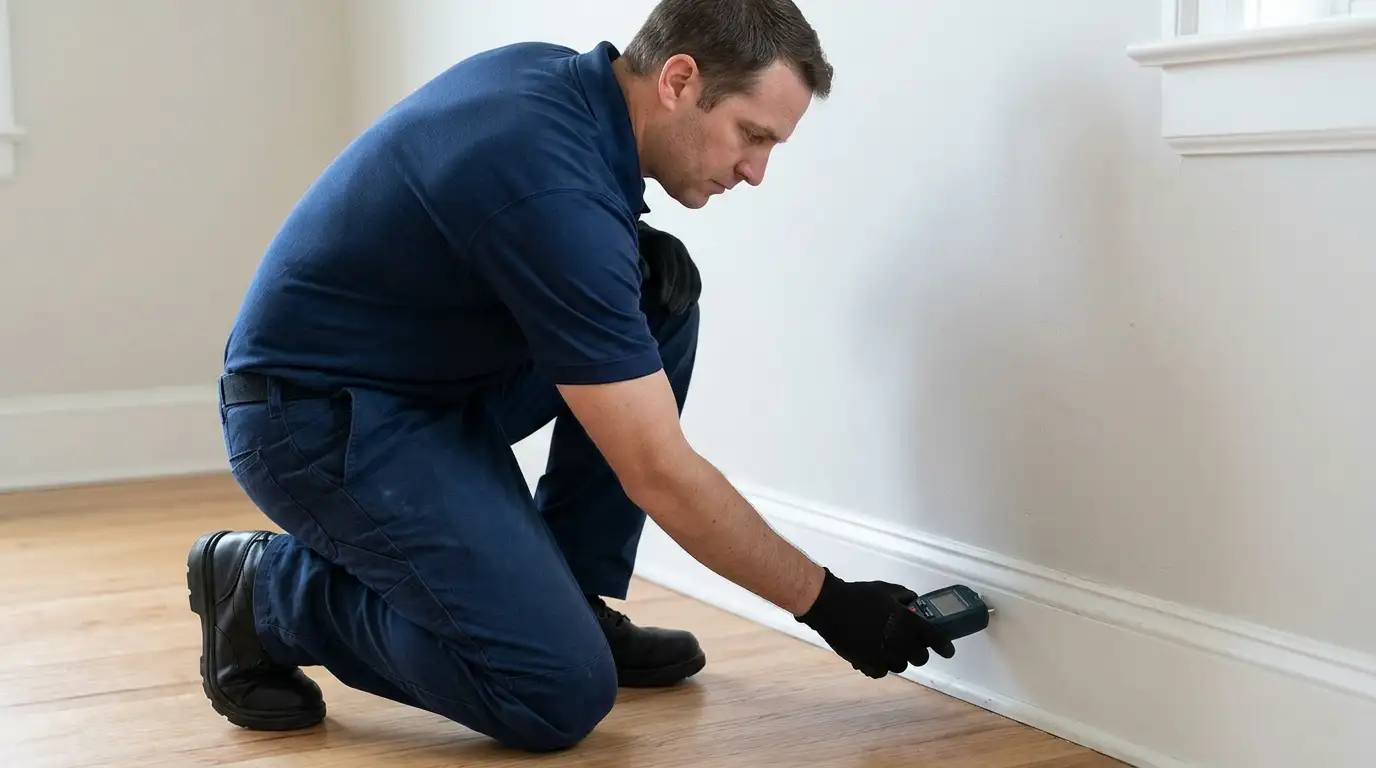
In all three cases, drying is verified with moisture meters rather than guesswork. A surface that feels dry can still hold moisture inside the wall.
Why the category matters for insurance
Insurance policies treat different water sources differently. A sudden pipe break is often covered, while rising floodwater usually requires a separate flood policy, and sewer or drain backup may need an added endorsement. Documenting the category of water, along with the source, the time of the loss, and the steps taken, makes your claim clearer. Restoration crews record these details in their reports, including photos and moisture readings. Always confirm coverage with your own insurer, because policies vary.
What to do in the first hour
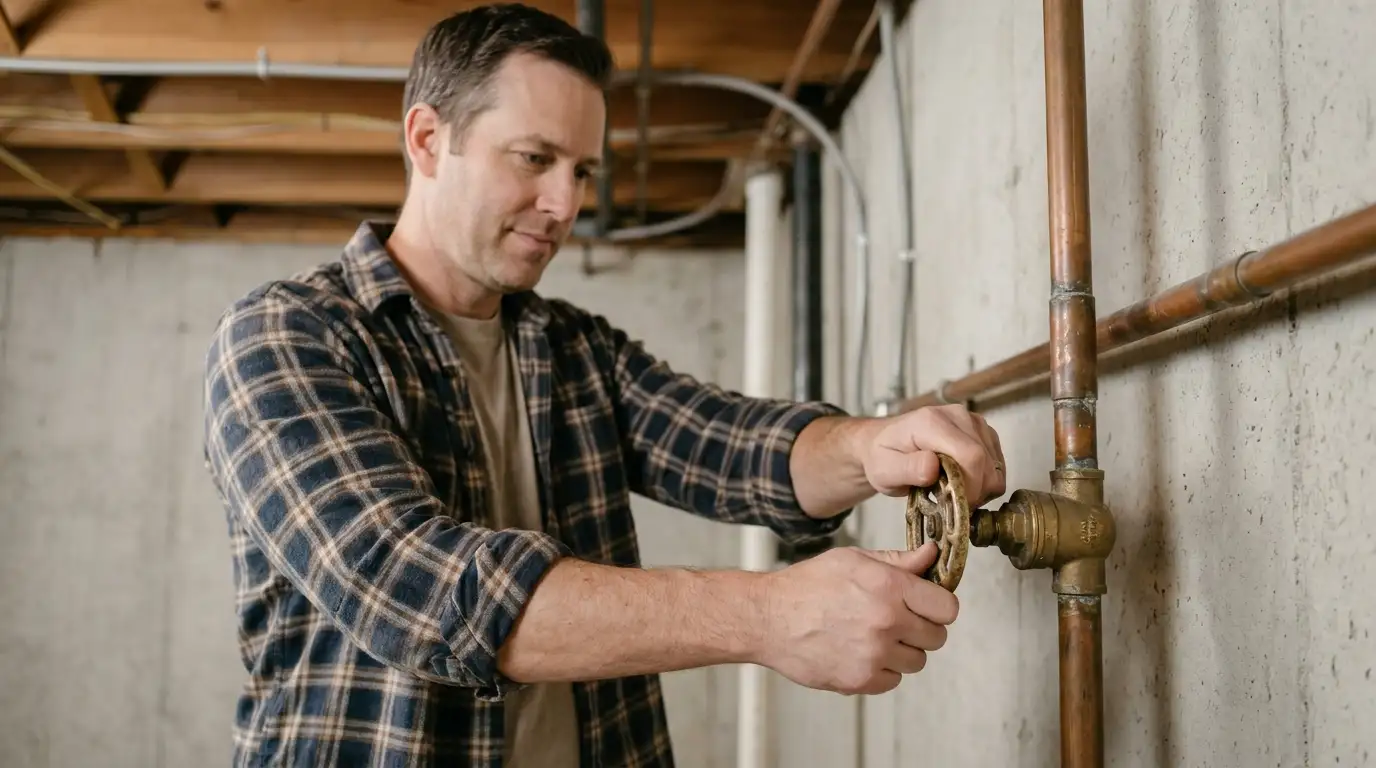
- Stop the source if you can, for example by closing the main water valve.
- Turn off electricity to affected areas only if you can do it safely without standing in water.
- Keep people and pets away from any water that may be contaminated.
- Take photos and video before anything is moved.
- Move valuables and furniture out of the water's path if it is safe.
- Call a restoration company.
Common questions about water categories
Can I clean Category 1 water myself? Small, fresh spills of clean water can often be mopped and dried by homeowners. If the water has soaked into walls, floors, or insulation, professional drying equipment is needed to reach the moisture you cannot see.
Is rainwater clean water? Rain itself is not heavily contaminated, but once it runs through a roof, wall, or soil it can pick up debris and bacteria. Technicians usually evaluate the path the water took before assigning a category.
How long do I have before water becomes dangerous? There is no single timeline, but the risk grows with every hour. Within a day or two, Category 1 water can degrade, and mold can begin to grow within 24 to 48 hours in damp conditions.
Who decides the category? Trained restoration technicians assess the source, the contamination level, and how long the water has been present, and they follow industry standards when classifying the loss.
When to call a professional
Call a professional whenever the water is more than a small, clean spill, has been present for more than a day, came from a drain or sewer, or reached electrical outlets, insulation, or walls. Early help limits the damage and the cost, and it protects your health.
How our team helps
Powerful pumps and extractors remove standing water quickly, limiting damage to floors, walls, and belongings so drying can start within hours of your call. Our Hoboken crews answer 24/7, find the source, and keep you updated until the property is dry and repaired.