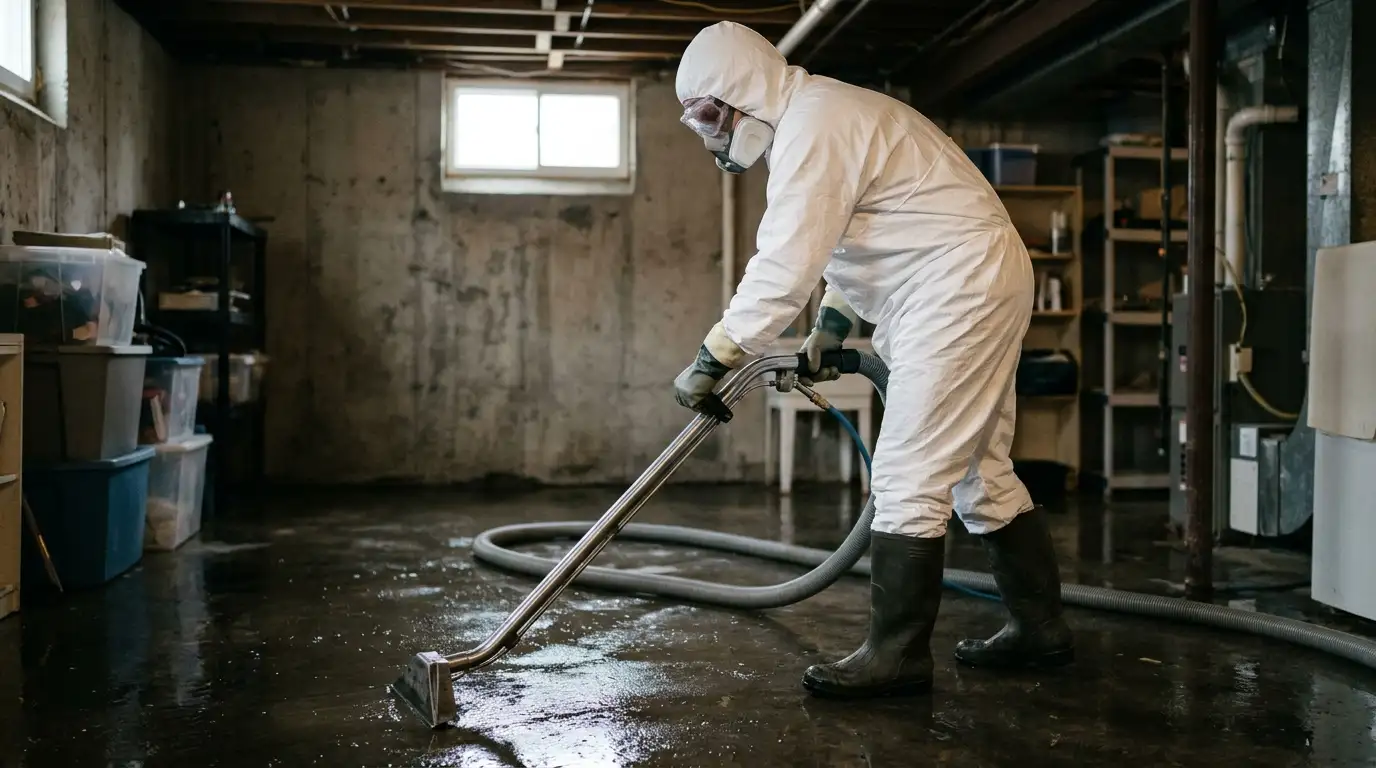
Common causes are old tanks, sediment buildup, loose connections, and pressure problems. Flush the tank yearly, check for rust and puddles, and replace aging units before they fail. If yours leaks, shut off the water and power to the unit and call for help.
Key takeaways
- Flush the tank once a year to remove sediment
- Look for rust, moisture, and puddles around the base
- Replace aging units before they fail
- If it leaks, shut off water and power to the unit
Why water heater leaks are a bigger problem than they look
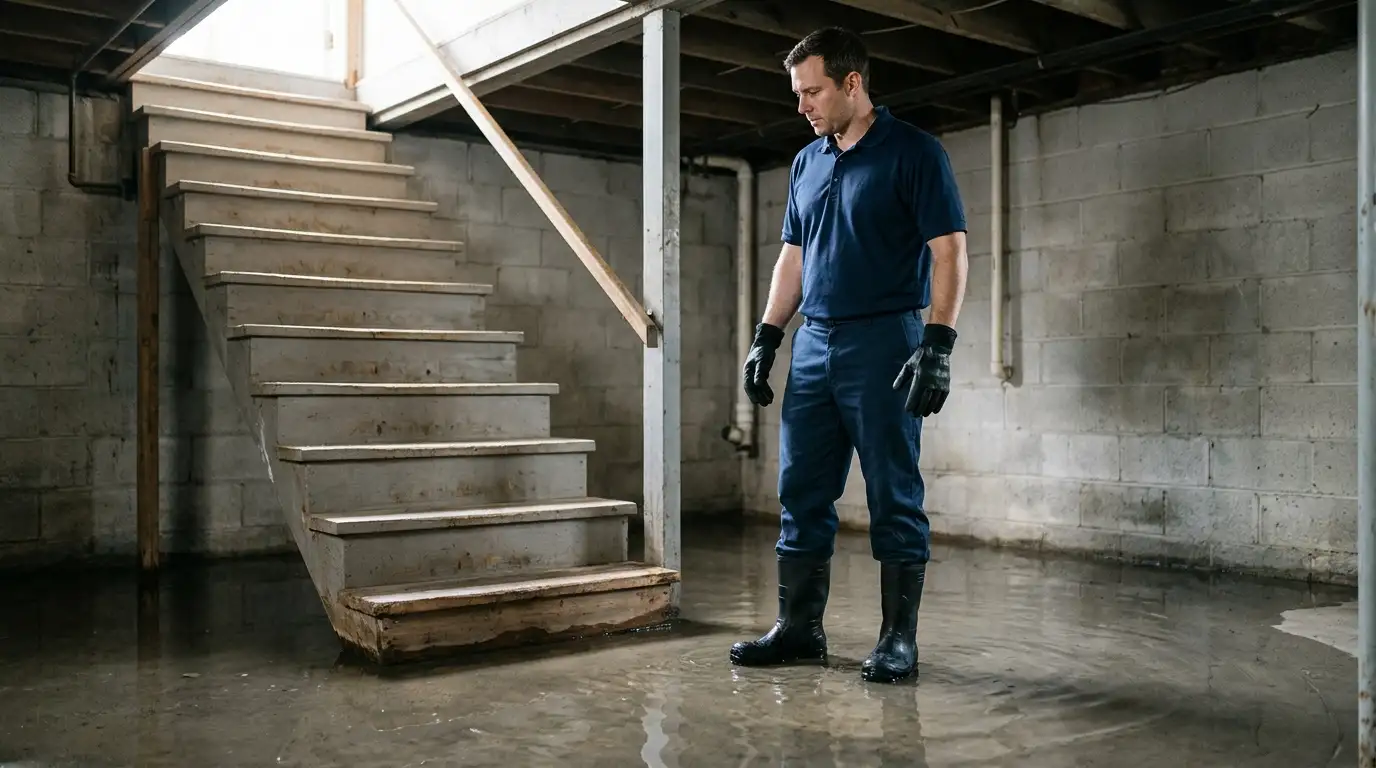
A water heater sits quietly in a basement, closet, or utility room for years, which is why a leak often goes unnoticed until the damage is serious. A tank holds dozens of gallons, and when it fails the water can spread across a floor and into walls and neighboring spaces. In a multi-unit Hoboken building, a leak can also reach units below, which turns a single appliance problem into a larger loss with more people involved.
Knowing why leaks happen and how to spot the early signs lets you act before a small drip becomes a flood.
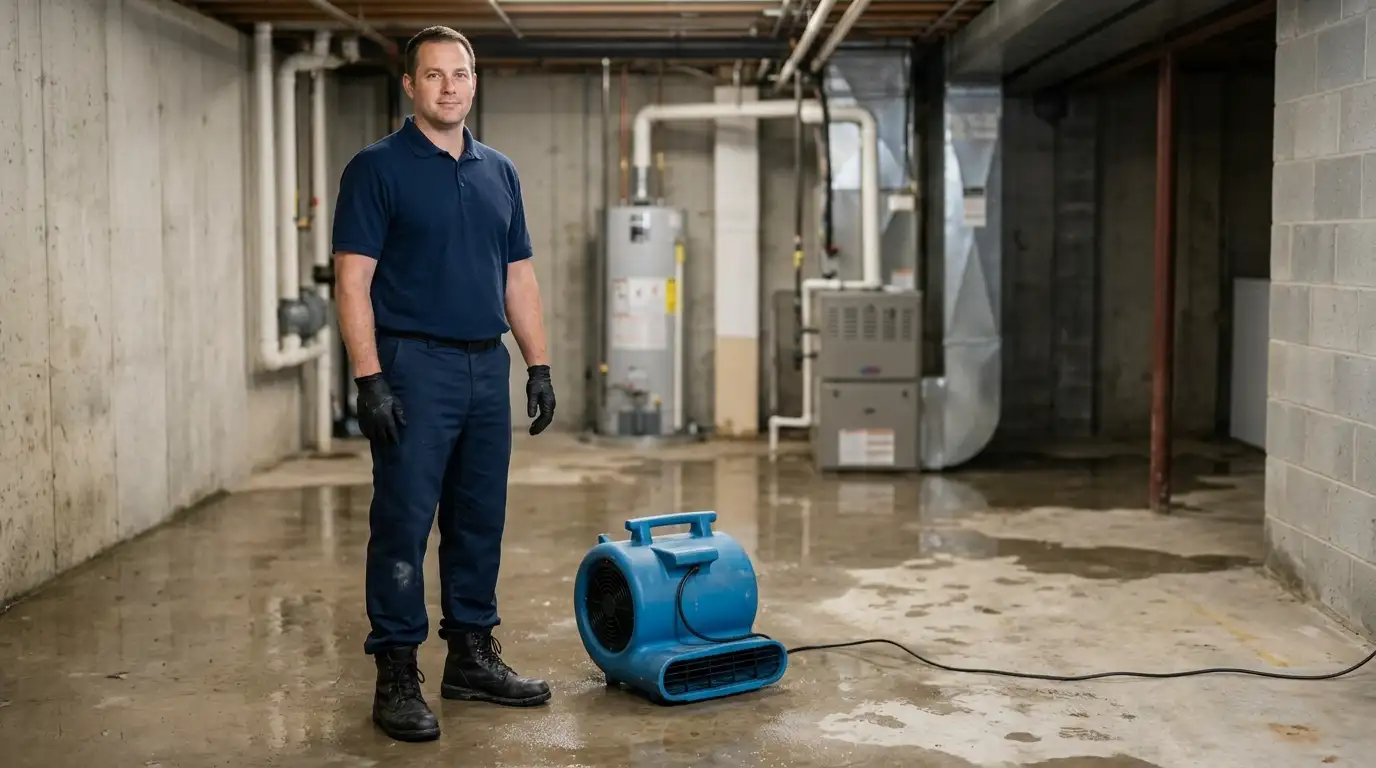
Common causes of water heater leaks
- Age: Tank water heaters often last around 8 to 12 years, and older units are more likely to corrode and fail.
- Sediment buildup: Minerals settle at the bottom of the tank, which can overheat the metal, cause noise, and shorten the tank's life.
- Corrosion: When the protective anode rod wears out, the steel tank can begin to rust from the inside.
- Loose or failing connections: Supply lines, fittings, and valves can loosen or wear out and begin to drip.
- High pressure: Excessive water pressure or temperature can stress the tank and relief valve.
- Faulty valves: A leaking drain valve or temperature and pressure relief valve can release water.
- Tank failure: A crack or hole in the tank itself usually means the unit needs to be replaced.
Warning signs to watch for
- Puddles or dampness around the base of the unit
- Rust-colored or metallic-tasting hot water
- Rumbling, popping, or banging noises from the tank
- Inconsistent or reduced hot water
- Rust, corrosion, or moisture on fittings and pipes
- A damp floor, stained ceiling below, or musty smell in the utility area
- A rise in your water bill
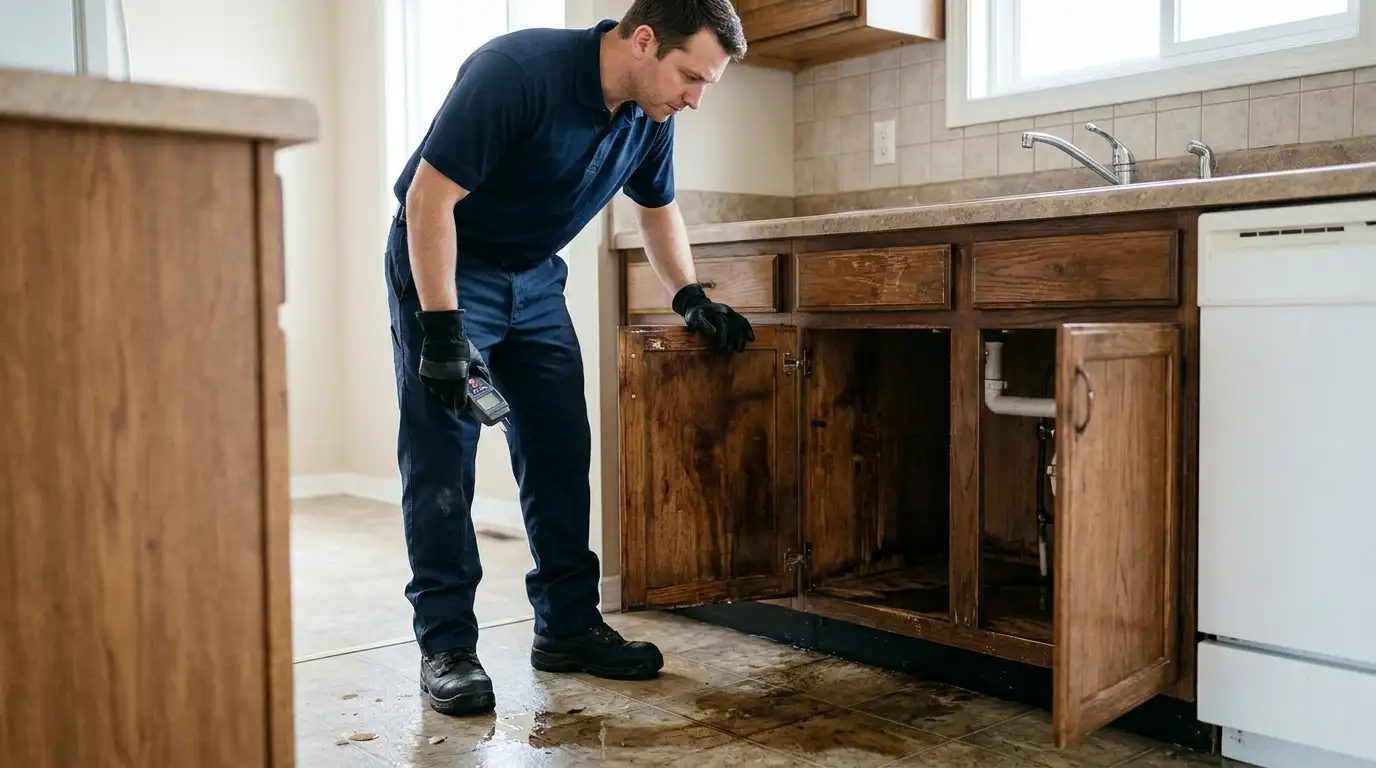
Where the leak is coming from matters
Not every leak means a new water heater. If water drips from a loose fitting, a supply line, or a valve, a plumber may be able to tighten or replace the part. If water seeps from the tank itself or the bottom of the unit, the tank has usually failed and needs to be replaced. A professional can tell the difference and advise you on the safest and most cost-effective fix.
What to do if your water heater is leaking
- Turn off the power: Switch off the electric breaker or set a gas unit to the pilot or off position, following the manufacturer's directions.
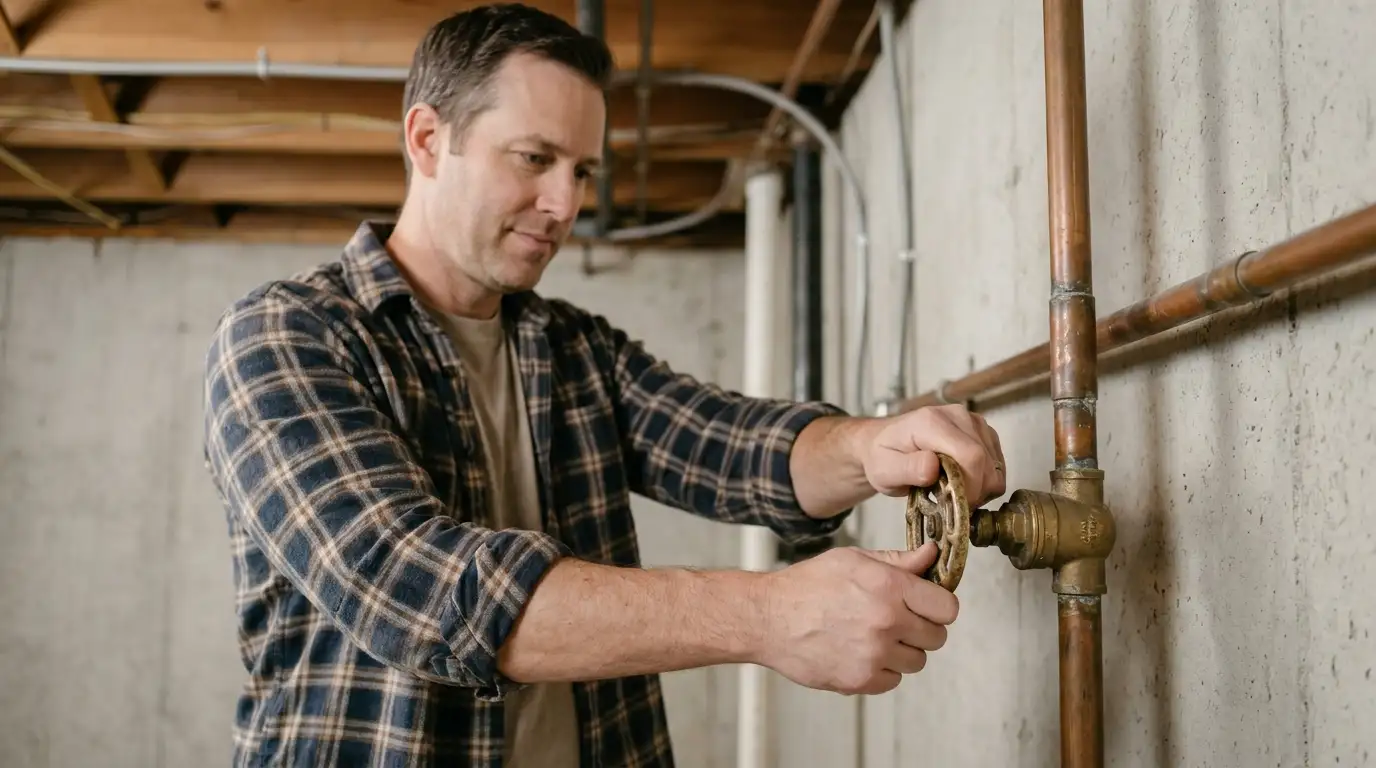
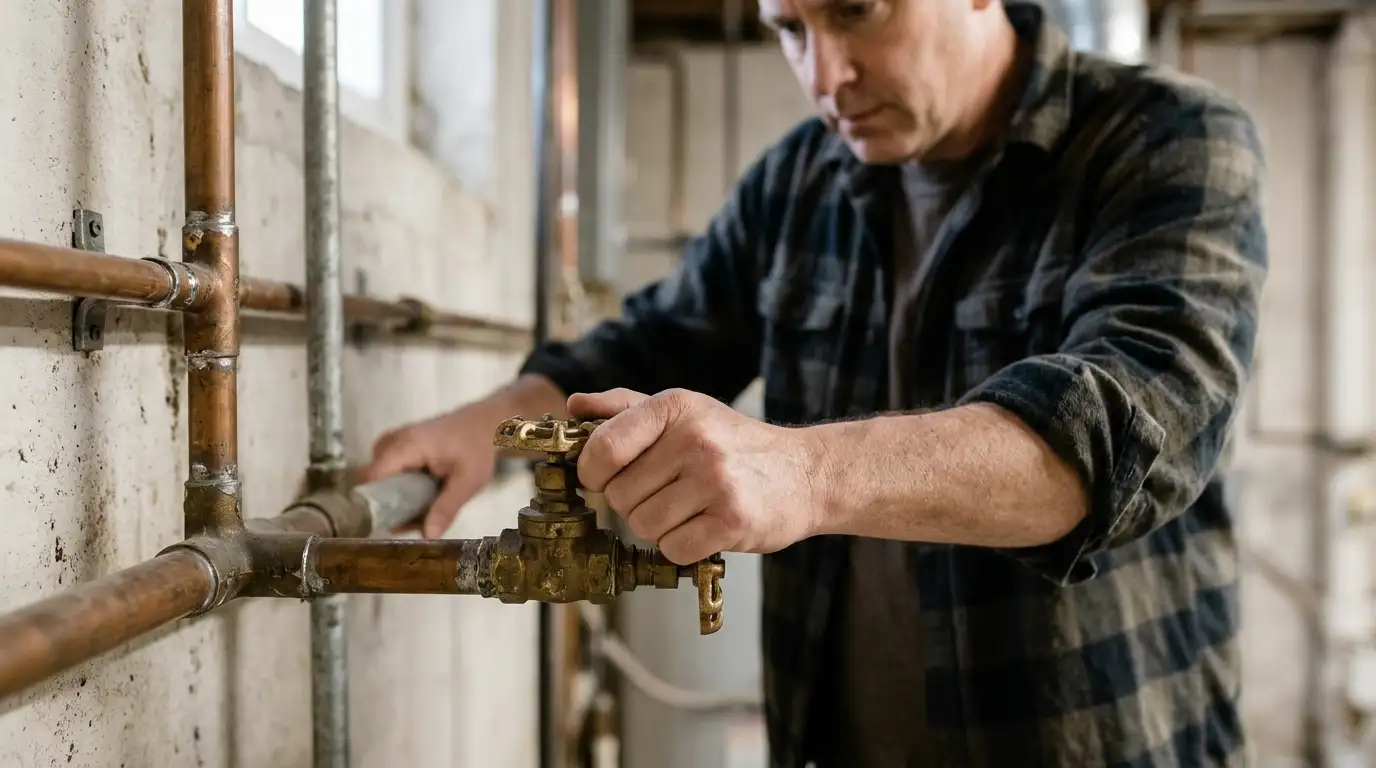
- Shut off the cold water supply: Close the valve on the pipe that feeds the tank.
- Avoid standing water near electricity: If water has reached outlets or wiring, do not enter. Call for help.
- Drain if instructed: A plumber may advise draining the tank to reduce the amount of leaking water.
- Document the damage: Take photos and video before cleanup.
- Call a plumber and a restoration company: The plumber fixes the heater and the restoration team removes water and dries the structure.
Tank and tankless units
Tank water heaters store a large volume of hot water, so a tank failure can release a lot of water at once. Tankless units hold much less water, so leaks are usually smaller, but they can still drip at connections, valves, or the heat exchanger. Both types need regular maintenance, and both can cause water damage if a leak goes unnoticed.
Water heaters in Hoboken buildings
Many Hoboken homes and apartments place water heaters in basements, closets, or small utility rooms with limited airflow and drainage. A leak in an enclosed space can soak walls and flooring before anyone sees it. In condos and apartment buildings, find out who is responsible for the unit and the drain pan, and make sure the building manager knows where your shutoff valves are. A drain pan with a pipe to a safe drain, and a simple leak sensor, can give early warning.
Maintenance that prevents leaks
- Flush the tank once a year to remove sediment.
- Test the temperature and pressure relief valve each year.
- Inspect the anode rod every few years and replace it when worn.
- Check connections, valves, and the area around the base for moisture.
- Keep the water temperature at a safe setting, often around 120 degrees Fahrenheit.
- Install a drain pan and a leak detector.
- Replace aging units before they fail, especially around the 10 to 12 year mark.
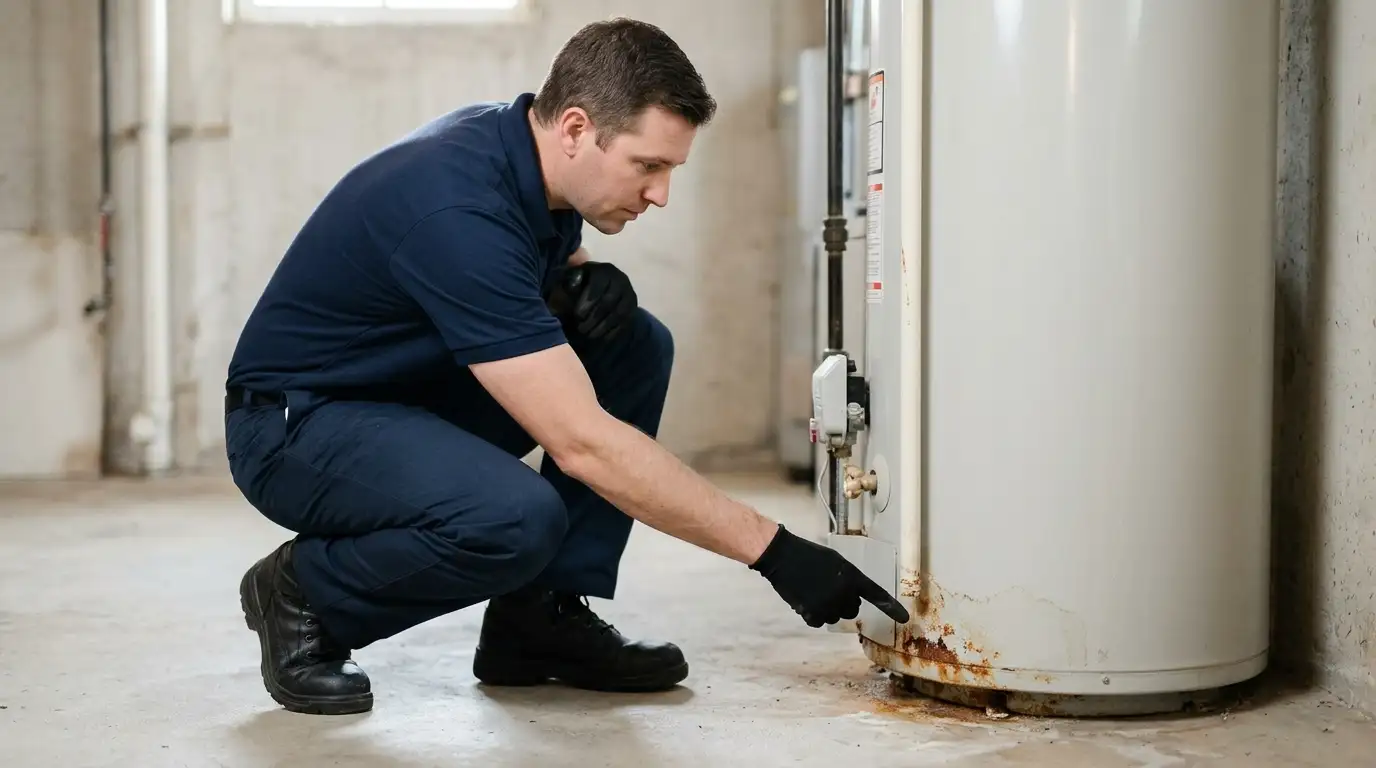
Cleaning up after a water heater leak
Water from a heater is often clean, but it can quickly become contaminated if it sits in carpet, drywall, or insulation. Fast action is the best way to limit damage. Restoration crews extract standing water, dry the floor, walls, and surrounding materials, and check moisture levels until everything is dry. They also look for hidden water that may have traveled under flooring or into nearby rooms, and they document everything for your insurance claim.
Insurance considerations
Sudden and accidental leaks, such as a tank that suddenly fails, are often covered under homeowners policies, but coverage varies. Damage from slow leaks over time or from poor maintenance may be excluded, and the heater itself typically is not covered for wear and tear. Report the loss quickly, keep your photos and receipts, and ask your insurer what your policy covers.
Frequently asked questions
How do I know if my water heater is about to fail? Age, rust, noises, moisture at the base, and inconsistent hot water are the common warning signs.
Is a small puddle an emergency? It can be. Even a small, repeating leak can mean the tank or a fitting is failing, so call a plumber promptly.
Can a leaking water heater cause mold? Yes, if materials stay wet. Drying quickly is the best prevention.
When to call a professional
Call a plumber for any leak from the tank, and call a restoration company if water has reached floors, walls, or ceilings. A fast response protects your property and keeps a small leak from turning into a major loss.
How our team helps
We stop the spread from burst or frozen pipes, extract water, and dry affected walls and floors before swelling, stains, and mold take hold. Our Hoboken crews answer 24/7, find the source, and keep you updated until the property is dry and repaired.