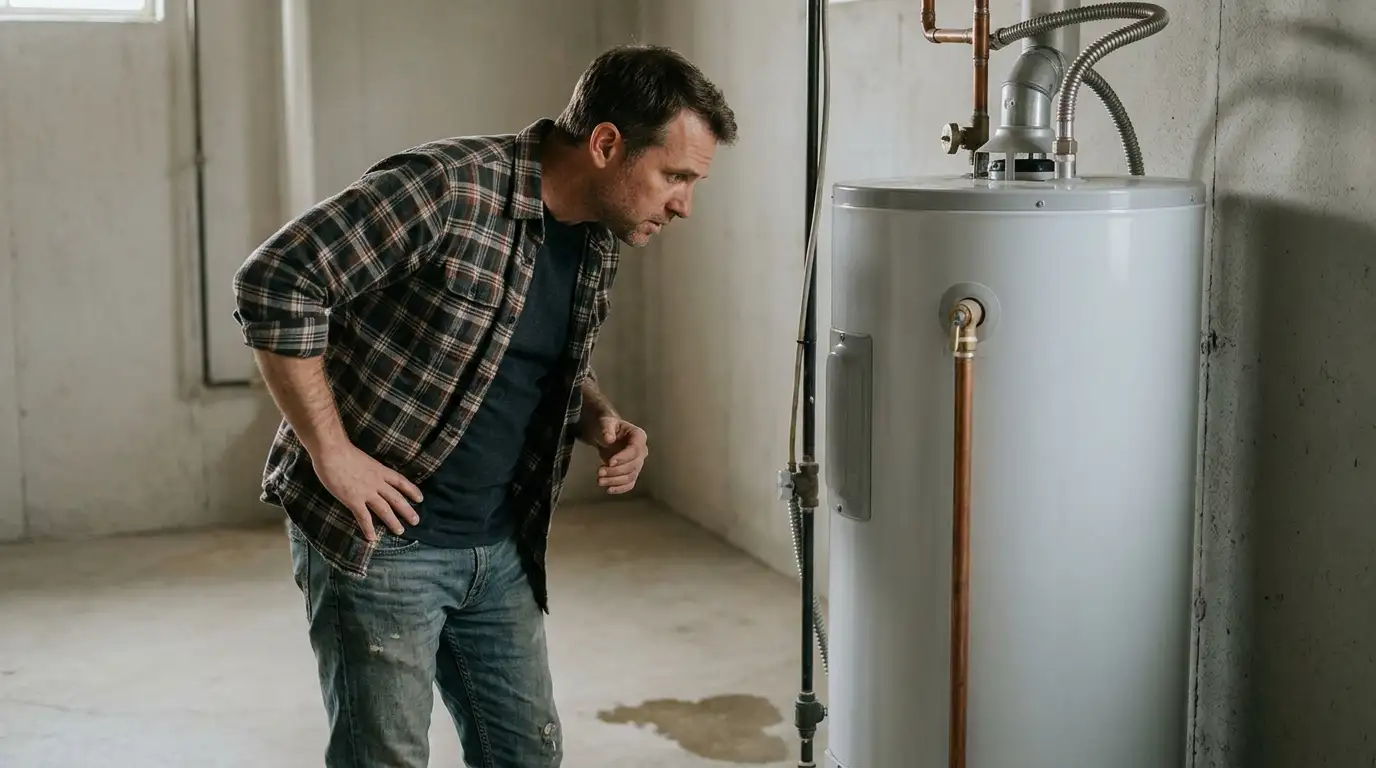
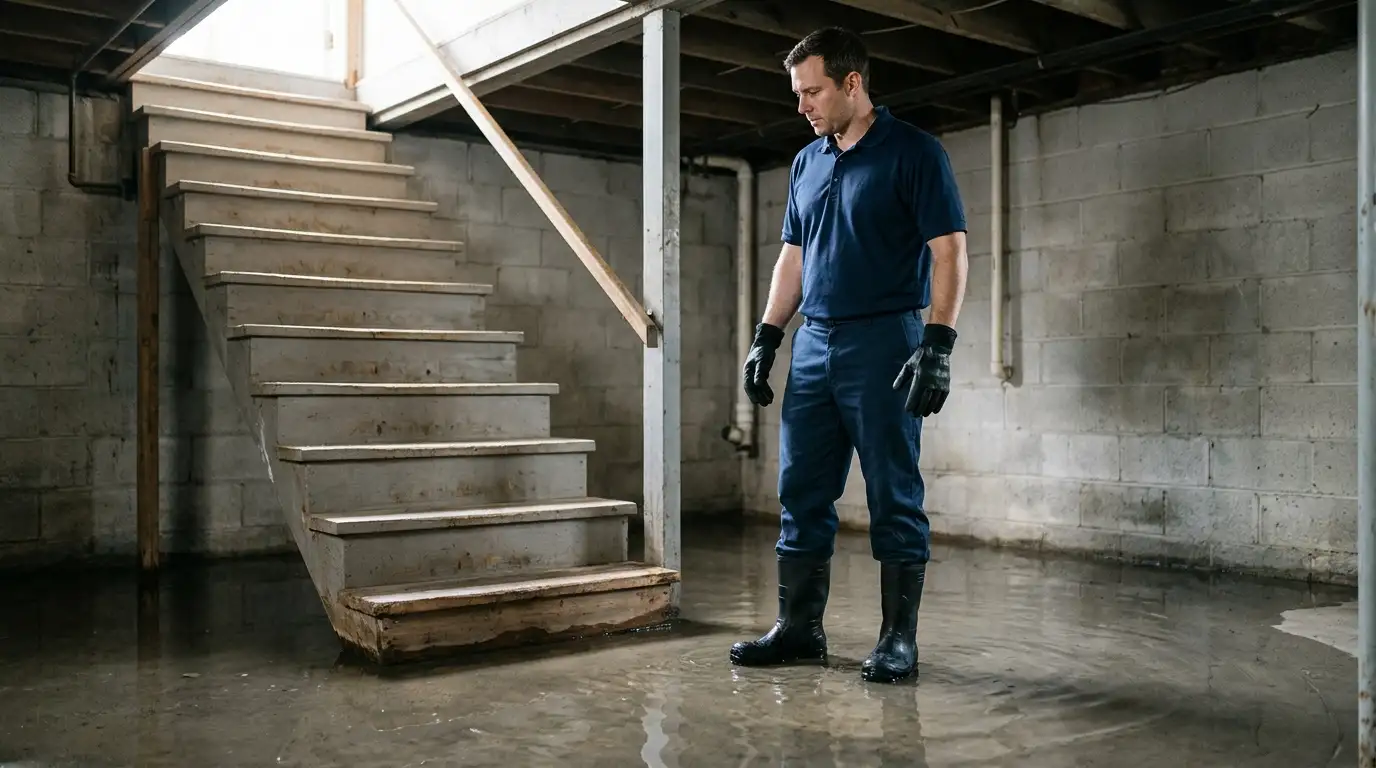
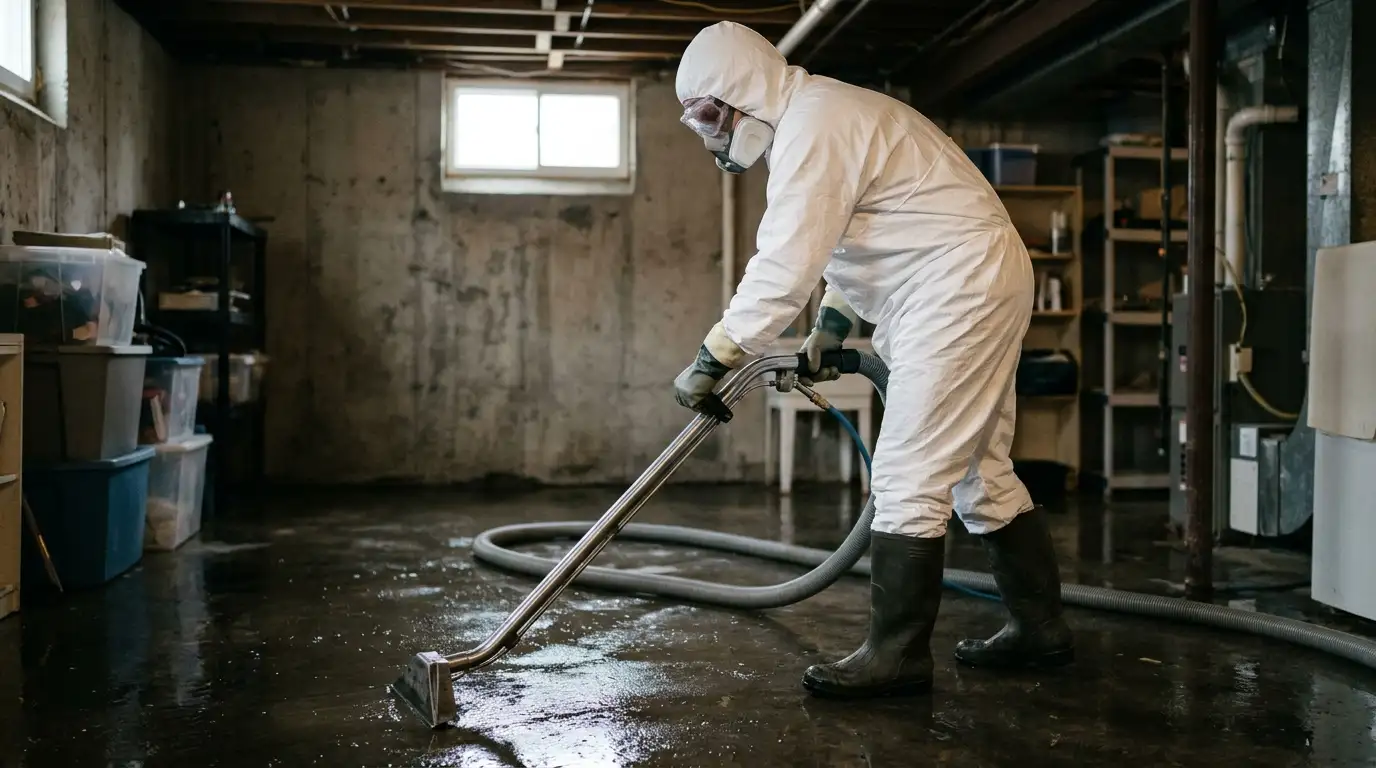
Shut off the main water valve, turn off power to affected areas if it is safe, and move valuables out of the water's path. Take photos before cleanup, then call a restoration team. Water spreads into walls and floors quickly, so acting early limits damage and mold risk.
Key takeaways
- Locate and close the main shutoff valve
- Turn off electricity only if the area is dry and safe
- Move valuables and furniture away from the water
- Photograph everything before cleanup begins
Why the first hour matters
A burst pipe can release hundreds of gallons of water in a short time. Water follows gravity, so it runs through floors, ceilings, and wall cavities and often reaches the units below before you have found the source. Every minute that water keeps flowing adds to the damage, and every hour that wet materials stay wet increases the chance of warped floors, swollen drywall, and mold. In a dense building, a burst pipe is also a problem for your neighbors, which makes speed even more important.
This guide walks through what to do in the first hour, in the order that protects people first, then property, then your insurance claim.
Step 1: stop the water
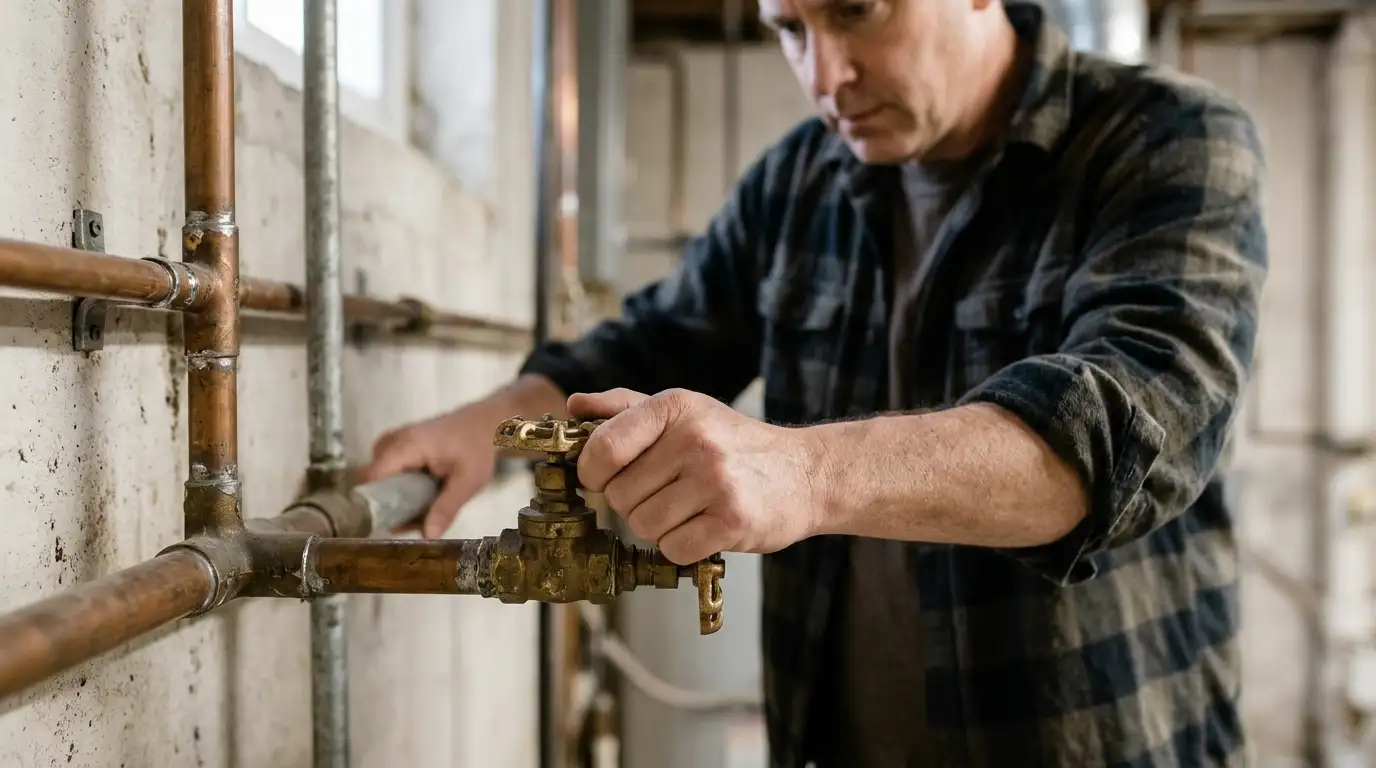
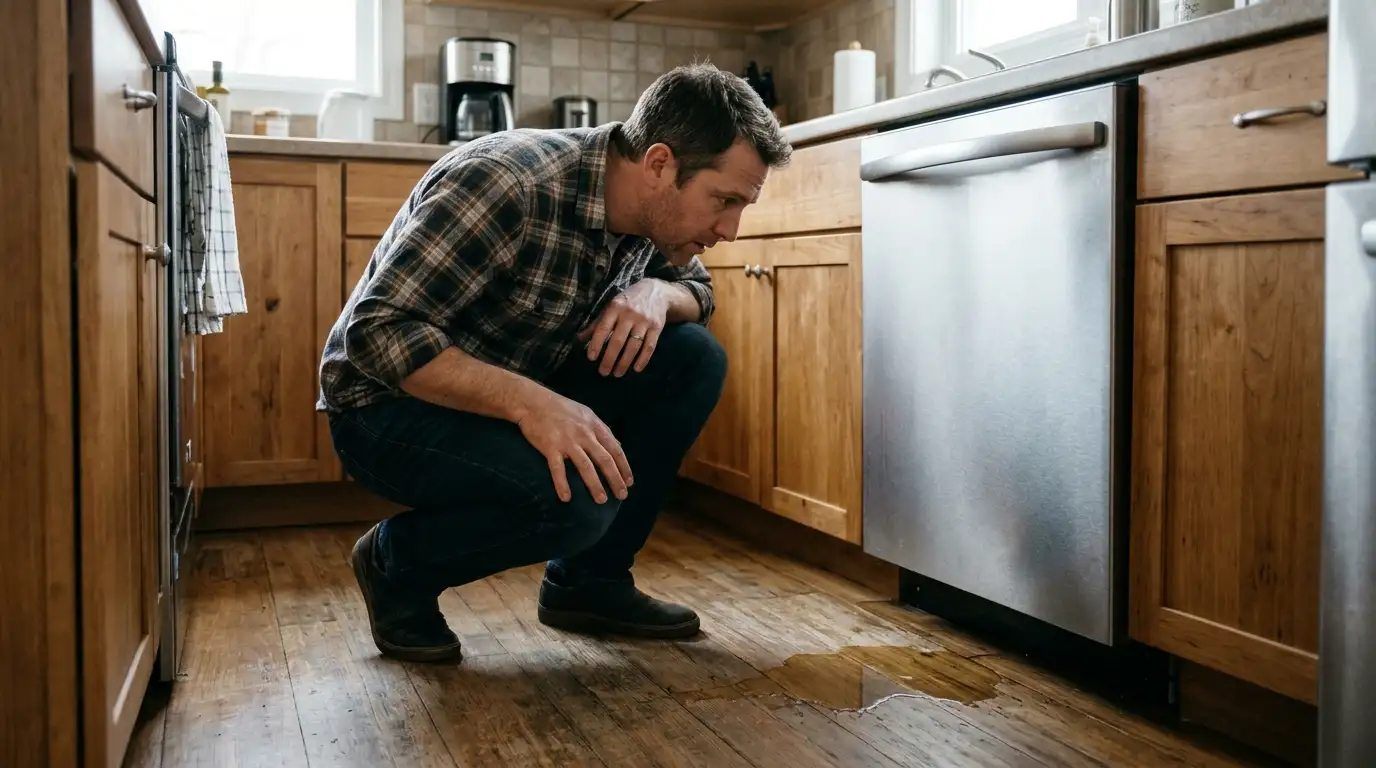
Your first job is to stop the flow. Close the main shutoff valve, which is usually where the water line enters the building, near the water meter, or in a basement, utility room, or kitchen. Many apartments and condos also have a shutoff for the individual unit, often under a sink, near a water heater, or in a utility closet. If you live in a multi-unit building and cannot find or close the valve, call your superintendent, building engineer, or property manager immediately. If a pipe is spraying and no one can reach a valve, call a plumber and, if needed, the water utility.
Step 2: protect yourself from electrical hazards
Water and electricity are a dangerous combination. If water is near outlets, appliances, or your electrical panel, do not stand in the water and do not touch anything electrical. If you can reach the breaker panel safely from a dry location, turn off power to the affected area. If you cannot, call an electrician or your utility. Never use electrical appliances or a regular vacuum on wet floors.
Step 3: relieve the pressure
After the main valve is closed, open a faucet at the lowest point of the plumbing system, such as a basement sink or tub, to let remaining water drain from the lines. If the burst involves a hot water pipe, turn off the water heater to avoid damaging it or creating a safety problem. These steps reduce the amount of water still in the pipes and lower the chance of more leaking.
Step 4: move valuables and protect belongings
If it is safe, move the most important and fragile items out of the path of the water. Start with documents, electronics, photos, medications, and anything irreplaceable. Lift furniture legs onto foil or plastic blocks to keep wood and fabric from soaking up water. Remove rugs and wet loose items that can be carried easily. Do not try to move heavy furniture or appliances that could injure you.
Step 5: document everything
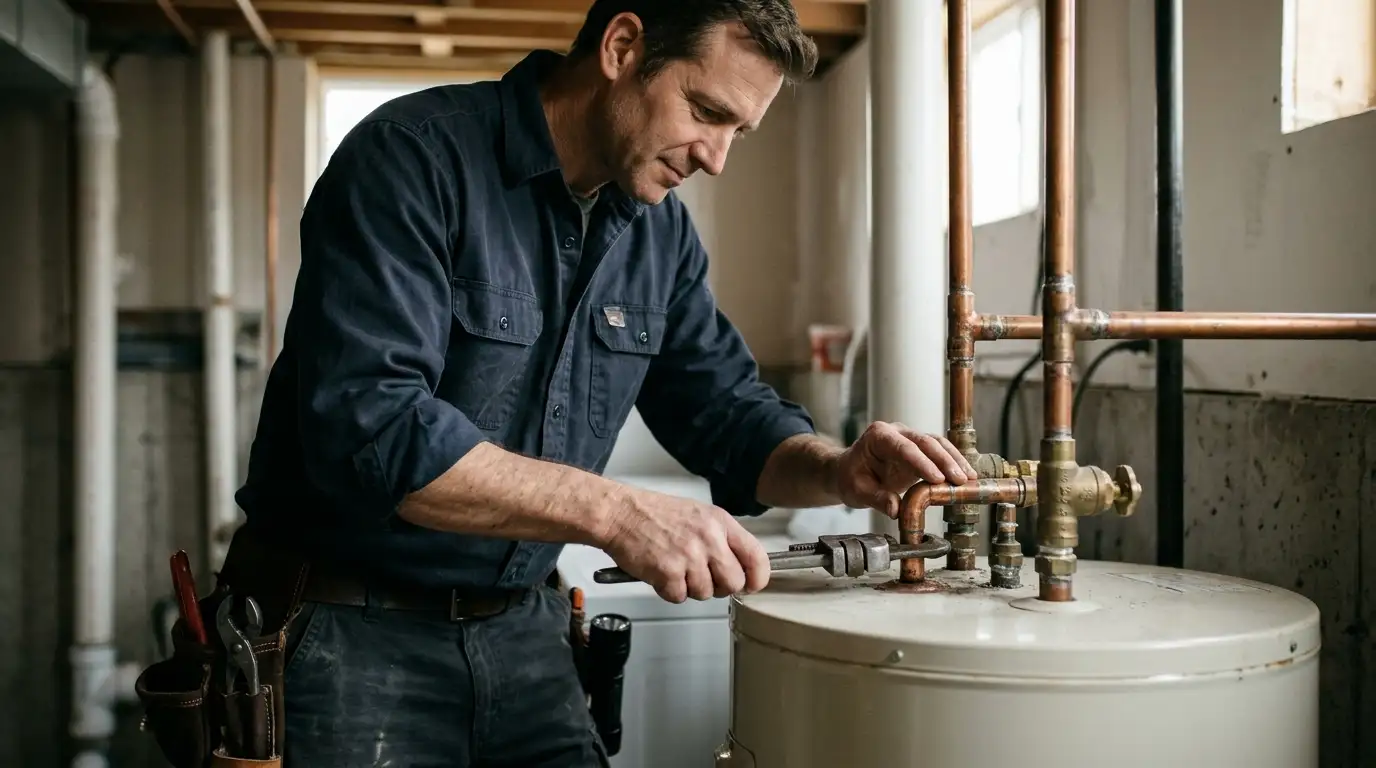
Before you clean up, take photos and video of the source, the water, and the damage. Capture wide shots of each room and close-ups of affected walls, ceilings, floors, and belongings. Write down the time you discovered the leak and the steps you took. This record supports your insurance claim and helps your restoration team understand what happened. Keep receipts for emergency repairs and any temporary housing.
Step 6: make the right calls
- A plumber to repair or replace the broken pipe.
- A restoration company to extract water, dry the structure, and prevent mold.
- Your landlord, property manager, or building engineer if you rent or live in a shared building.
- Your insurance company to report the loss and ask about next steps.
Calling a restoration company early matters. Crews arrive with pumps, extractors, air movers, and dehumidifiers, and they can begin drying before moisture spreads deeper.
Step 7: limit the spread
If you can do so safely, use towels and mops to soak up small amounts of water and stop it from spreading to dry rooms. Remove wet rugs, cushions, and clothing. Open interior doors to let air move, but avoid opening windows if the outside air is humid. Stay clear of ceilings that sag or bulge, since they may be holding a large amount of water and could collapse.
What not to do
- Do not wait to see if the leak stops on its own.
- Do not use a household vacuum to remove water.
- Do not turn on ceiling fixtures or fans under a wet ceiling.
- Do not throw away damaged items before they have been documented.
- Do not delay drying. Waiting a day or two allows hidden moisture to spread.
Why pipes burst
- Freezing: Water expands when it freezes and can split pipes, especially in exterior walls and unheated spaces.
- Age and corrosion: Older metal pipes weaken over time and can fail suddenly.
- High water pressure: Pressure above normal levels strains pipes and fittings.
- Joint and connection failures: Fittings, solder joints, and supply hoses can loosen or crack.
- Physical damage: Renovation work or accidental impact can damage hidden lines.
What the restoration crew does when they arrive
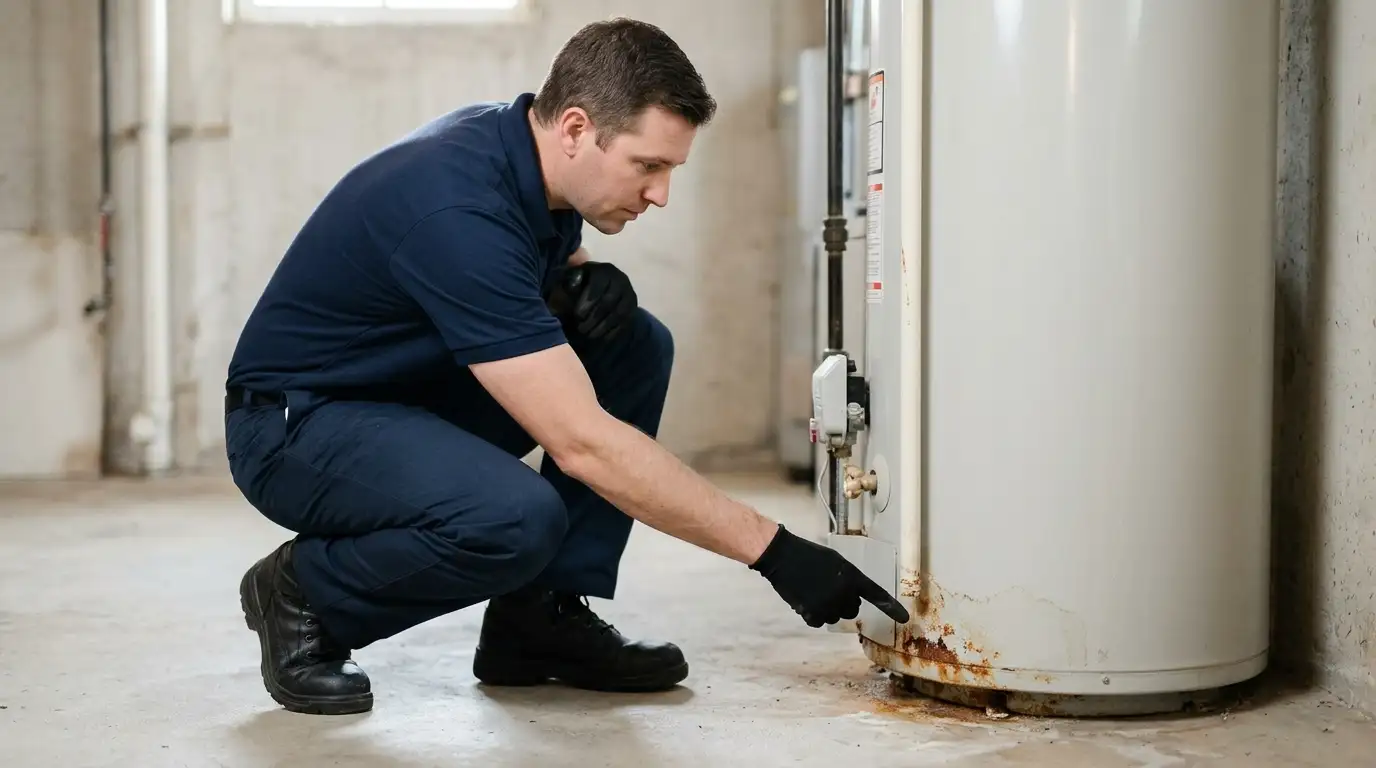
A restoration team begins by finding where the water went and measuring moisture in walls, floors, and ceilings. They extract standing water, remove wet materials that cannot be saved, and set air movers and dehumidifiers to dry the structure. They check moisture readings daily until the building is dry, and they document the process for your insurer. Once drying is complete, repairs such as drywall, paint, and flooring can begin.
How to prevent burst pipes
- Insulate pipes in basements, crawl spaces, attics, and exterior walls.
- Keep your home heated during cold snaps, even when you are away.
- Let faucets drip during extreme cold to keep water moving.
- Know where your shutoff valves are and test them each year.
- Replace aging pipes and corroded fittings before they fail.
- Have a plumber check your water pressure.
Frequently asked questions
How much water can a burst pipe release? It depends on the pipe size and pressure, but even a small break can release a large amount of water in an hour.
Will insurance cover a burst pipe? Sudden and accidental pipe bursts are often covered, but policies differ. Review your policy and report the loss quickly.
Should I wait for the plumber before calling a restoration company? No. Restoration can start while the plumber works, which limits the spread of water.
When to call a professional
Call a restoration company immediately after you stop the water. Fast extraction and drying prevent hidden damage, protect your health, and support a smoother insurance claim.
How our team helps
We stop the spread from burst or frozen pipes, extract water, and dry affected walls and floors before swelling, stains, and mold take hold. Our Hoboken crews answer 24/7, find the source, and keep you updated until the property is dry and repaired.