Insurers often separate water from inside the building, such as a burst pipe or appliance leak, from flood water that rises from outside during a storm. The difference decides which policy responds. Ask your insurer how your loss is classified before repairs begin.
Key takeaways
- Inside sources include pipes and appliances
- Flood water rises from outside during storms
- The classification decides which policy responds
- Ask your insurer before repairs begin
The short answer
Water damage and flood damage can look the same on a basement floor, but they are not the same thing, and the difference changes how you clean up and how your insurance responds. In general, "water damage" describes harm from water that starts inside your building, such as a burst pipe, a failed appliance, or a leaking water heater. "Flood damage" describes harm from water that comes from outside and covers normally dry land, such as storm surge, an overflowing river, or heavy rain that pools and runs into your building. This guide is general information, not insurance or legal advice, so confirm details with your own insurer.
Why the label matters
The label affects three things. First, it affects insurance, because standard homeowners policies and flood policies cover different events. Second, it affects safety, because flood water is usually more contaminated than water from a clean supply line. Third, it affects the scope and cost of the cleanup, because contaminated water means more removal, more disinfection, and often a longer recovery. Understanding which kind of loss you have helps you make better decisions in the first hours.
What counts as water damage
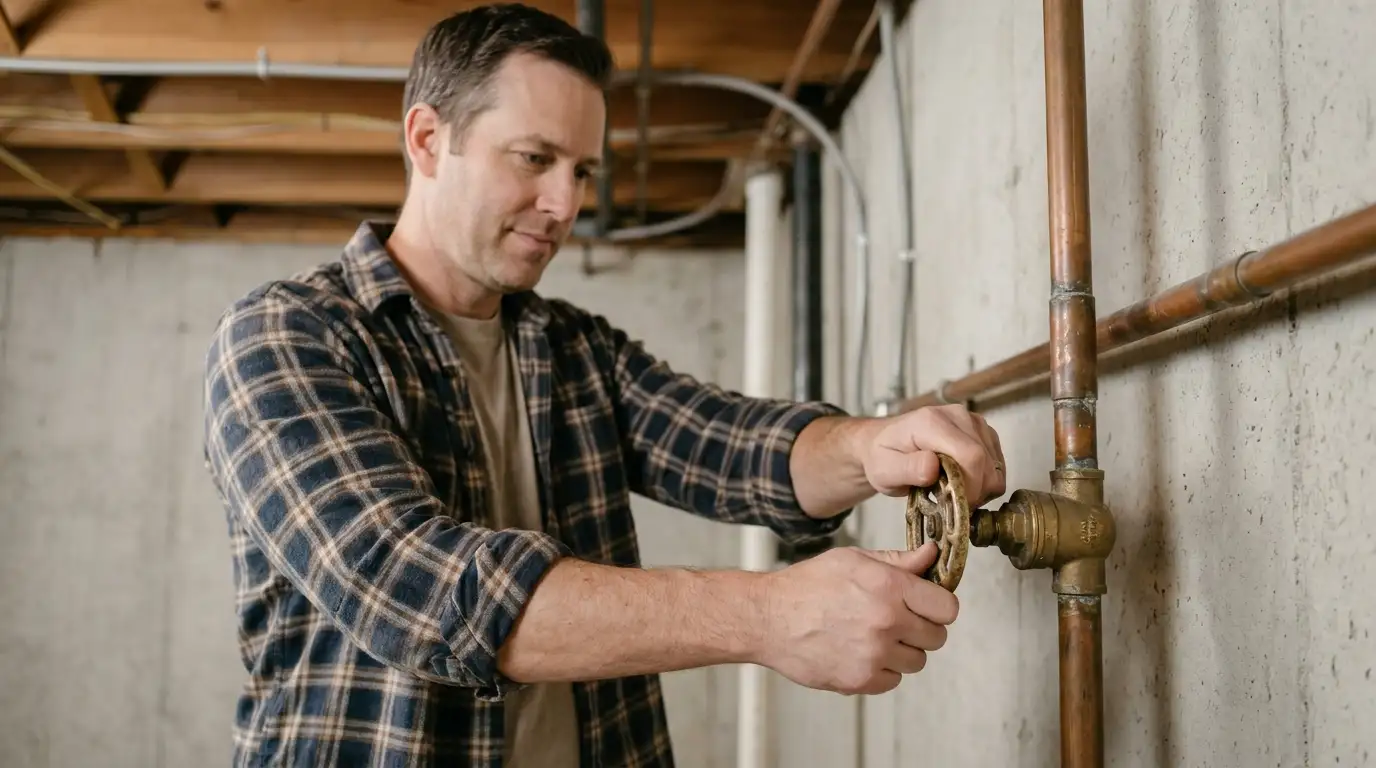
Water damage usually comes from a source inside the building or its plumbing.
- A burst, frozen, or leaking pipe
- A failed water heater, washing machine, or dishwasher
- An overflowing sink, tub, or toilet
- A leaking roof or window after a storm, which many policies treat as a covered event when it is sudden, though terms vary
- A fire sprinkler discharge
These events are often sudden and accidental, and many homeowners policies cover the resulting damage. The water may be clean at first, but it can still turn into a larger problem if it is not dried quickly.
What counts as flood damage
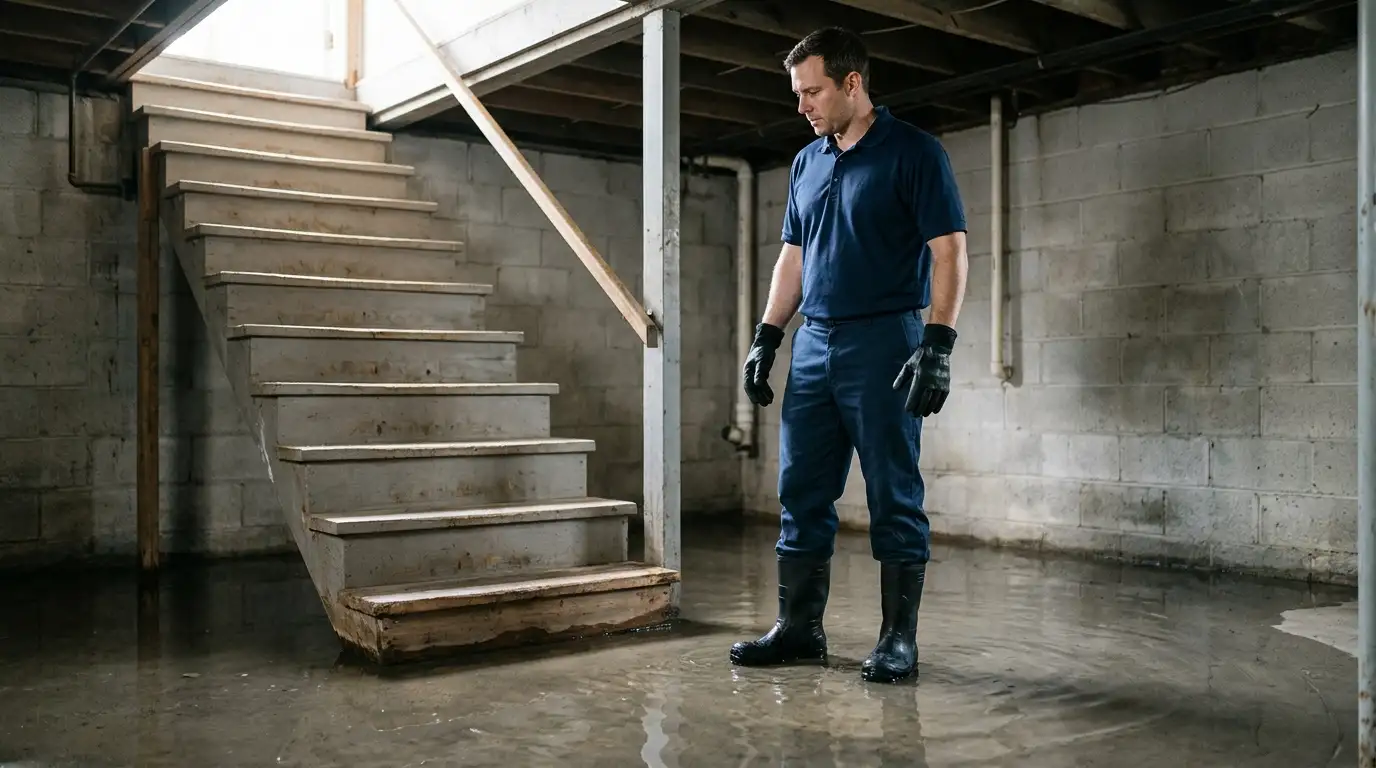
Flood damage comes from water that rises or flows in from outside. Flood policies generally define a flood as a general and temporary condition in which normally dry land is covered by water, or as rapid runoff of surface water, from sources such as overflowing rivers, tidal water, or storm surge.
- Storm surge and rising tidal water
- Overflowing rivers, streams, or drainage systems
- Heavy rain that runs across the ground and into your building
- Mudflow and rapid surface water accumulation
Flood water often carries sewage, chemicals, and debris, so it is treated as highly contaminated.

The gray areas
Some basement water falls between the two categories, which is why many people are surprised by their claim.
- Sewer or drain backup: Water comes up through a drain, often during heavy rain. It is typically not covered under standard policies unless you added a backup endorsement.
- Groundwater seepage: Water comes through foundation walls or floors from saturated soil. This is usually excluded from standard policies.
- Sump pump failure: A pump that stops working or is overwhelmed can flood a basement. Coverage often requires an endorsement.
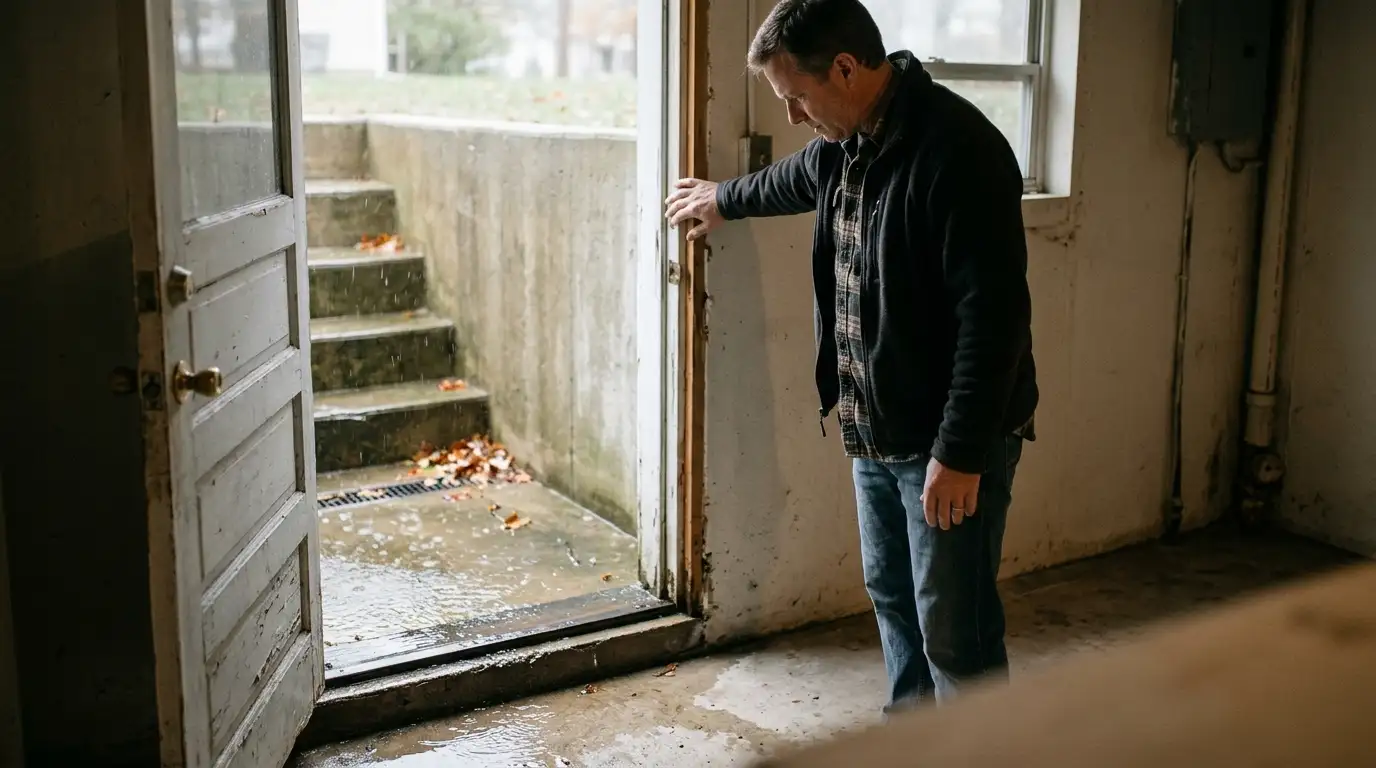
- Rain through a window well or door: Whether this is treated as flood or as water damage depends on the cause and the policy wording.
If you are unsure how your loss will be classified, describe the source clearly to your insurer and do not guess.
How insurance usually treats each one
Standard homeowners policies commonly cover sudden and accidental water damage from inside the home, and they commonly exclude flood. Flood coverage typically requires a separate policy through the National Flood Insurance Program or a private insurer. NFIP policies usually have a waiting period of about 30 days, so coverage does not start immediately. Flood policies often cover the building and contents separately, and coverage for basements is limited, so ask your agent exactly what is included. Always check your own policy, because wording and limits vary.
How the cleanup differs
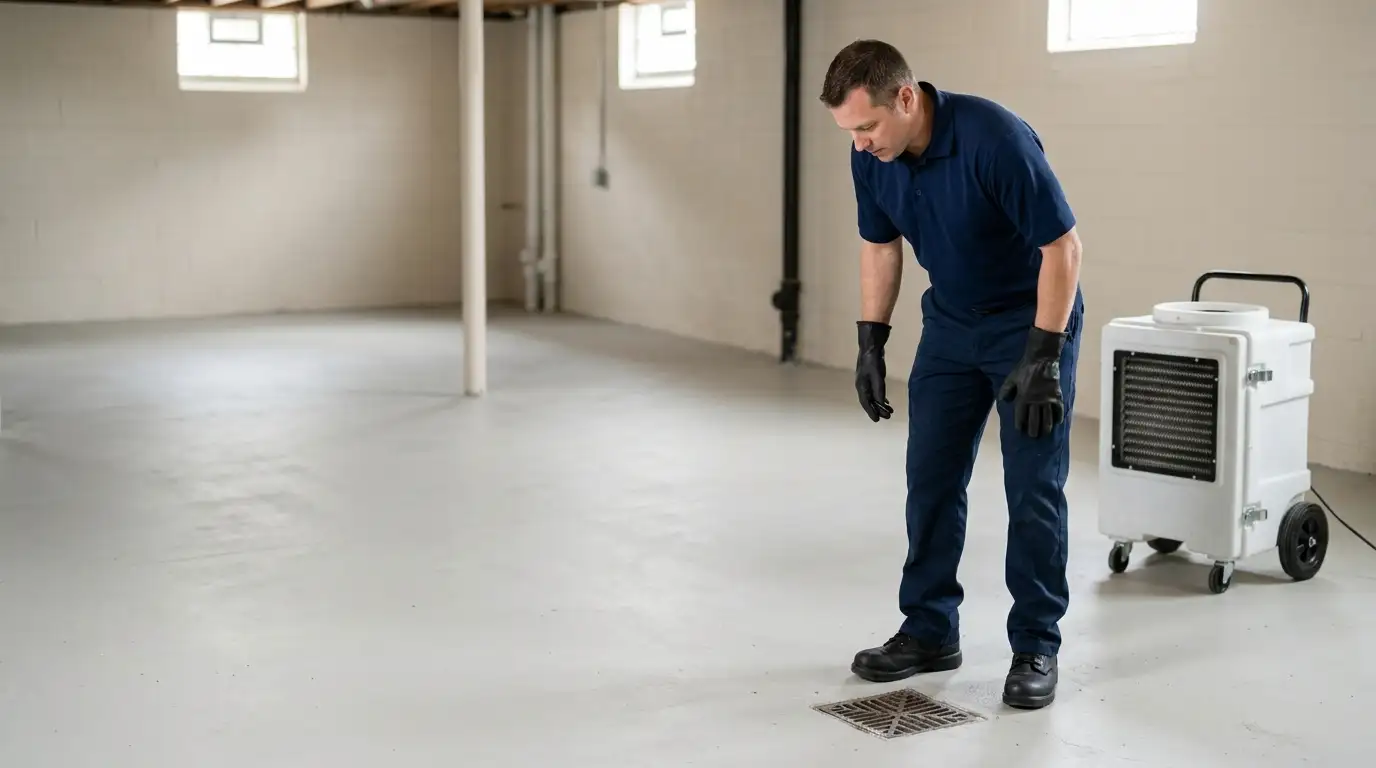
Water damage from a clean source, called Category 1 water, can often be cleaned by extracting the water and drying the structure, saving many materials. Flood water is generally Category 3, or black water, because it may contain bacteria, sewage, and chemicals. That means crews use protective equipment, remove porous materials such as carpet, padding, insulation, and lower drywall, disinfect surfaces, and dry the building completely before rebuilding. Flood cleanup tends to be larger, slower, and more expensive.
Safety differences
Flood water can hide sharp objects, electrical hazards, and contamination. Do not wade through standing water, and keep children and pets out. If water has reached outlets, panels, or appliances, stay out and have an electrician or the utility make the area safe. Avoid touching flood water, and wash thoroughly after any contact. Clean water from a burst pipe can also be dangerous around electricity, so the same caution applies.
The Hoboken context
Hoboken is a low-lying city on the Hudson, and heavy rain and storm surge have caused flooding in the past. Basements and ground-floor spaces are especially vulnerable, and the older sewer system can be overwhelmed during storms. That makes it important for Hoboken property owners to know which of their risks are covered by a standard policy, which need flood insurance, and which may need a backup endorsement. Ask your agent about your flood zone and your options before the next storm.

What to do right after water enters your building
- Make the area safe, and avoid contact with water that may be contaminated.
- Stop the source if it is internal.
- Take photos and video before cleanup.
- Write down the time and what you observed.
- Call a restoration company for extraction and drying.
- Report the loss to your insurer and describe the source accurately.
Documenting the source
Your insurer will want to know where the water came from. Note whether it entered from a pipe or appliance, came up through a drain, seeped through the foundation, or flowed in from outside. Photos of the source, water lines on walls, and any visible debris help. Your restoration team will also record moisture readings and the type of water in their report.
Frequently asked questions
Is rain through a leaking roof water damage or flood? Many policies treat sudden rain intrusion through a storm-damaged roof as water damage, but policies differ, so check yours.
Does homeowners insurance cover flood damage? Usually not. Flood typically requires a separate flood policy.
Can I buy flood insurance after a storm is forecast? NFIP policies usually have a waiting period, so coverage often will not apply to an imminent event.
When to call a professional
Call a restoration company as soon as water enters your building, whatever the source. Fast extraction and drying protect your property and your health, and clear documentation supports your insurance claim.
How our team helps
We pump out flooded basements and crawl spaces, remove wet materials, dry the structure, and disinfect surfaces so your lower level is safe to use again. Our Hoboken crews answer 24/7, find the source, and keep you updated until the property is dry and repaired.