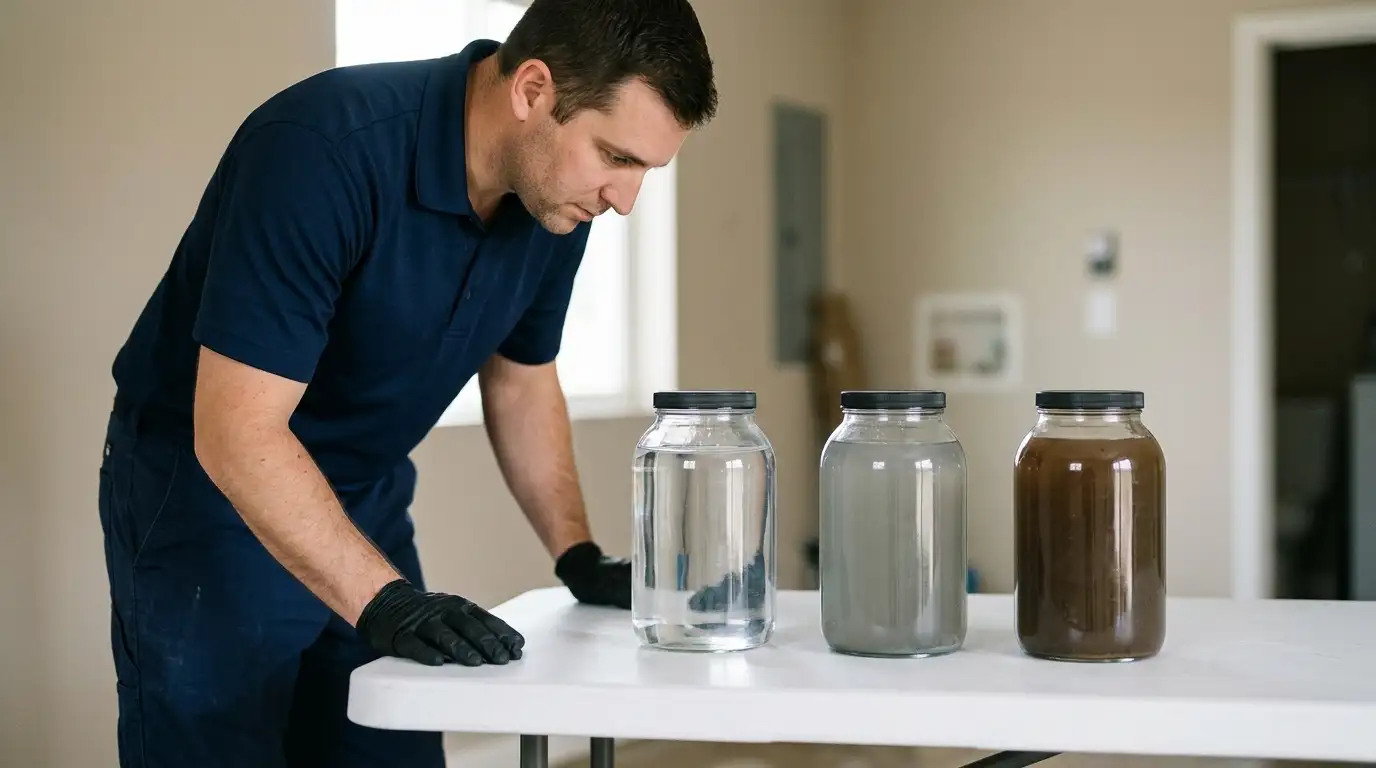
Look for musty odors, peeling paint, bubbling wallpaper, warped floors, ceiling stains, and unexplained spikes in your water bill. Moisture meters and thermal cameras can locate wet areas without opening every wall, so problems are fixed before they spread.
Key takeaways
- Musty odors that do not go away
- Peeling paint or bubbling wallpaper
- Warped floors and ceiling stains
- Unexplained spikes in your water bill
Why hidden water damage is so costly
The water damage you can see is rarely the whole story. A slow leak inside a wall, under a floor, or above a ceiling can run for weeks or months before anyone notices. During that time the water soaks insulation, weakens drywall, rusts fasteners, and feeds mold. By the time a stain finally appears, the damage behind it is usually much larger than the stain itself.
Finding a hidden leak early turns a major repair into a small one. The signs below will help you spot trouble sooner, and they explain when it is time to bring in professional moisture detection.
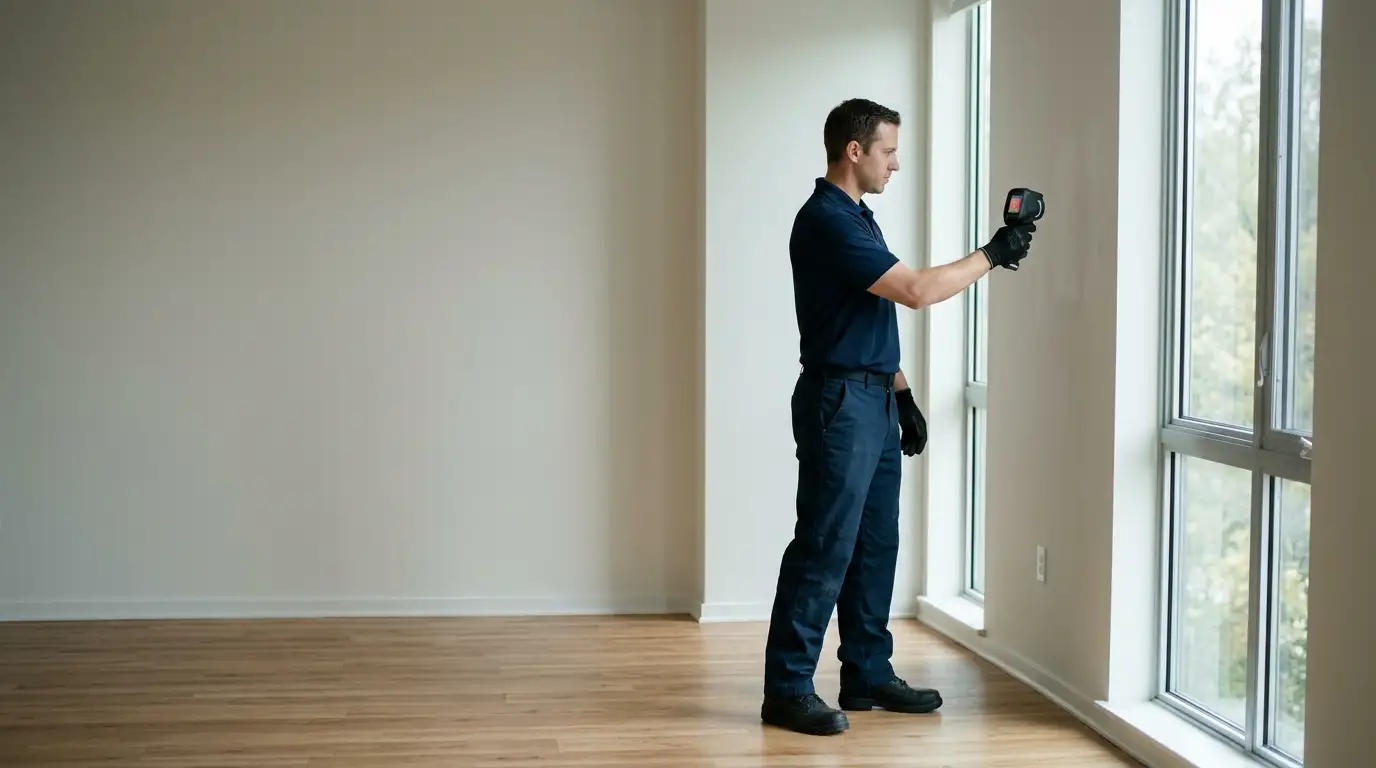
Visual warning signs
Look closely at walls, ceilings, and floors, especially below bathrooms, kitchens, and laundry areas.
- Stains and discoloration: Yellow, brown, or gray patches on ceilings and walls often point to water that has soaked through from above or behind.
- Peeling or bubbling paint: Paint lifts when moisture pushes outward from the wall.
- Bubbling or peeling wallpaper: Wallpaper adhesive fails when it stays damp.
- Warped, cupped, or buckled floors: Hardwood and laminate swell when moisture gets underneath.
- Sagging ceilings: A drooping or bulging ceiling can hold a large amount of water and may be at risk of collapse.
- Visible mold: Black, green, or white growth in corners, around windows, or along baseboards signals a persistent moisture source.
- Efflorescence: A white, chalky residue on masonry or brick, common in older buildings, shows water moving through the material.
Smell and sound clues
Your nose and ears can detect problems your eyes cannot. A musty or earthy smell that returns after cleaning usually means moisture is trapped somewhere nearby. The odor tends to be stronger in closed rooms, closets, and basements. Sounds also help: dripping or running water when every fixture is off, or a faint hissing from inside a wall, can indicate a leaking supply line.
Check your water bill and meter
An unexplained rise in your water bill is one of the most reliable signs of a hidden leak. To test for one, turn off every faucet and appliance that uses water, then look at your water meter. If the dial or digital reading keeps moving, water is flowing somewhere it should not be. Check again after an hour; a change confirms a leak. If you live in a multi-unit building, ask your property manager or building engineer before assuming the leak is inside your unit.
Common hiding places in Hoboken buildings
Hoboken's housing stock includes older brownstones, converted multi-family buildings, condos, and newer mid-rise and high-rise apartment buildings. Each has its own weak points.
- Behind and under bathroom fixtures: Failed seals around tubs, showers, and toilets let water seep into floors and walls.
- Under kitchen sinks and dishwashers: Slow drips from supply lines and drain connections often go unnoticed.
- Around windows and exterior walls: Aging caulk, flashing, and mortar let rain in, which is especially common on older brick buildings.
- Ceilings below other units: In shared buildings, leaks from the unit above can appear in your ceiling long after they begin.
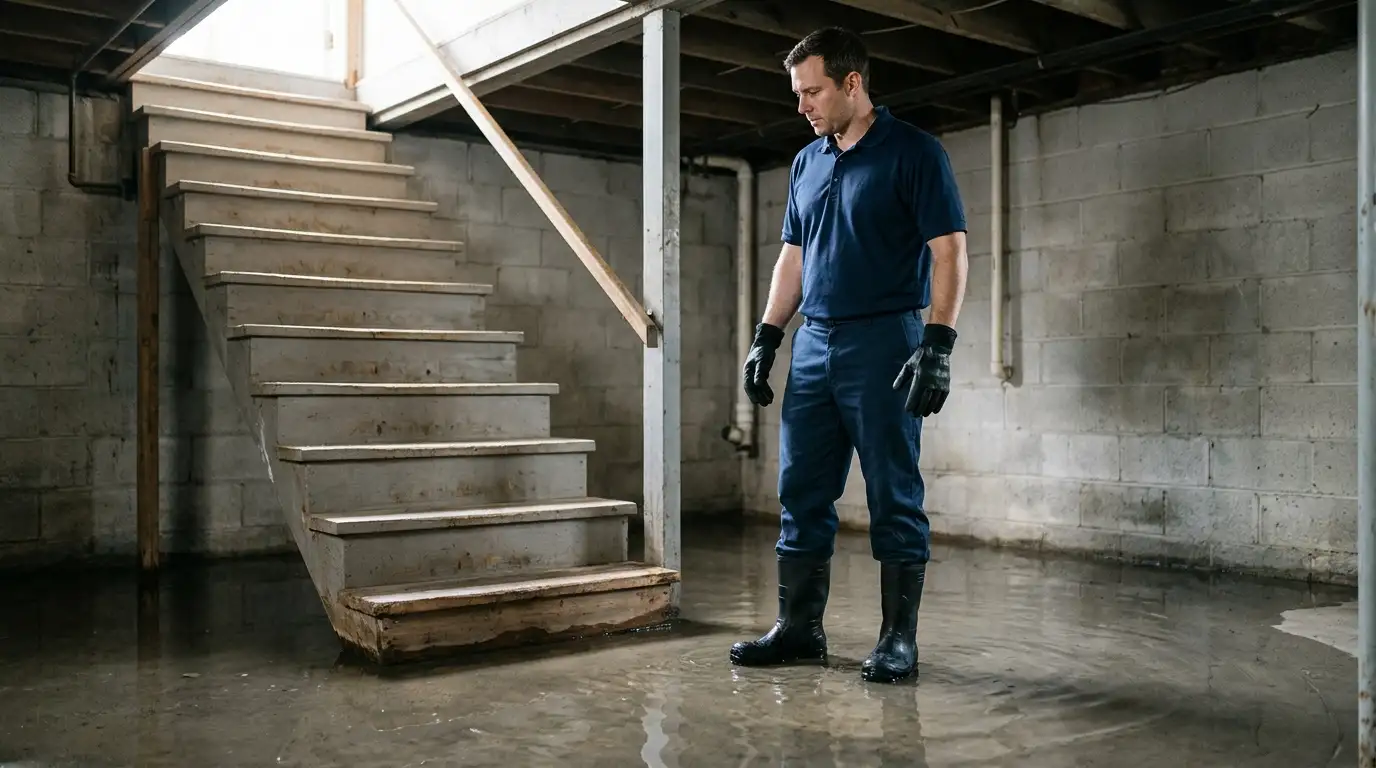
- Basements and crawl spaces: Groundwater, damp walls, and failing drains create moisture that spreads upward.
- Radiators and old pipes: Aging heating and plumbing lines can develop pinhole leaks inside walls.
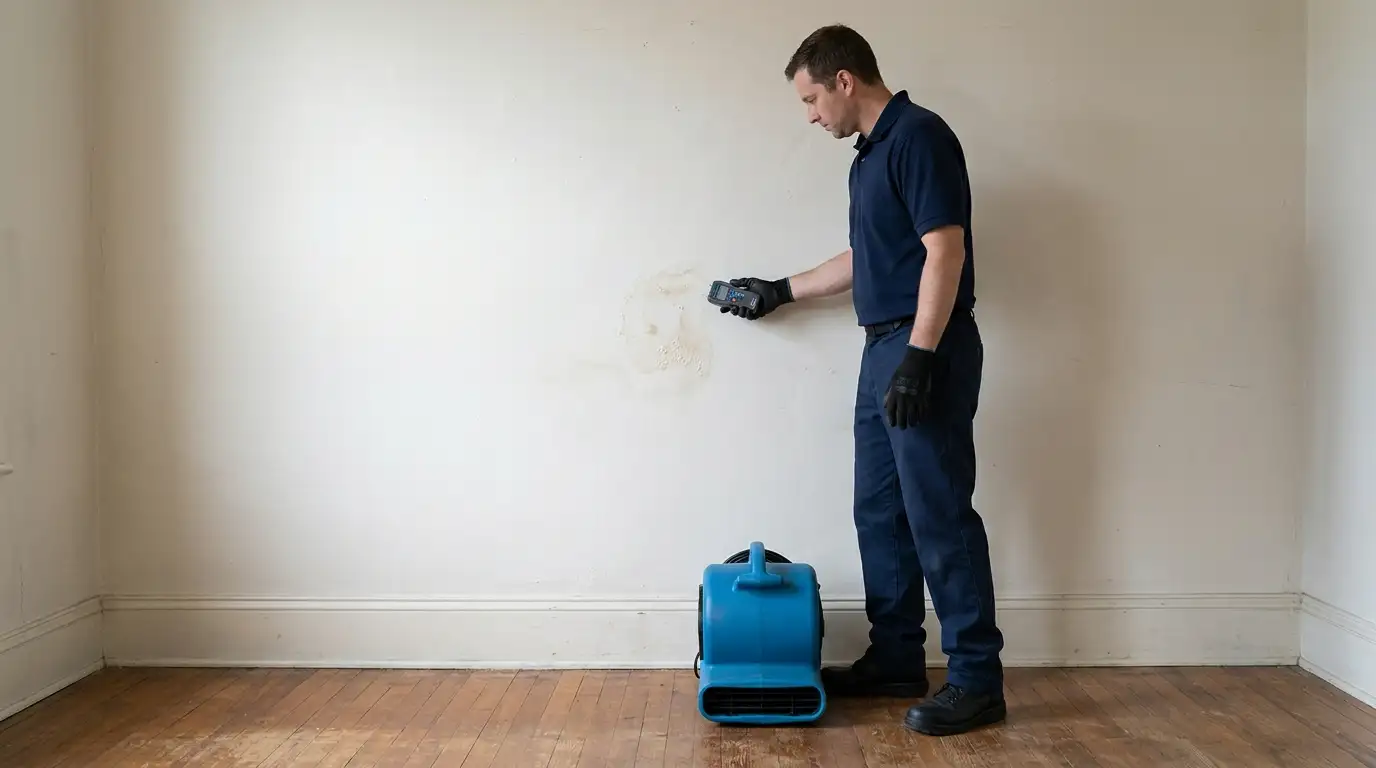
How professionals find hidden moisture
You do not need to tear open walls to find out what is going on. Restoration technicians use tools designed to detect moisture without major demolition.
- Moisture meters: Pin and pinless meters measure moisture content in drywall, wood, and other materials.
- Thermal imaging cameras: These show temperature differences that often reveal wet areas behind surfaces.
- Hygrometers: These measure humidity in the air and help track drying progress.
- Visual inspection and mapping: Technicians record readings across the affected area so they know exactly where the moisture is and how far it has spread.
If the readings show a problem, the crew can open only the necessary sections, dry the structure, and verify with follow-up readings that conditions are back to normal.
What to do if you suspect hidden water damage
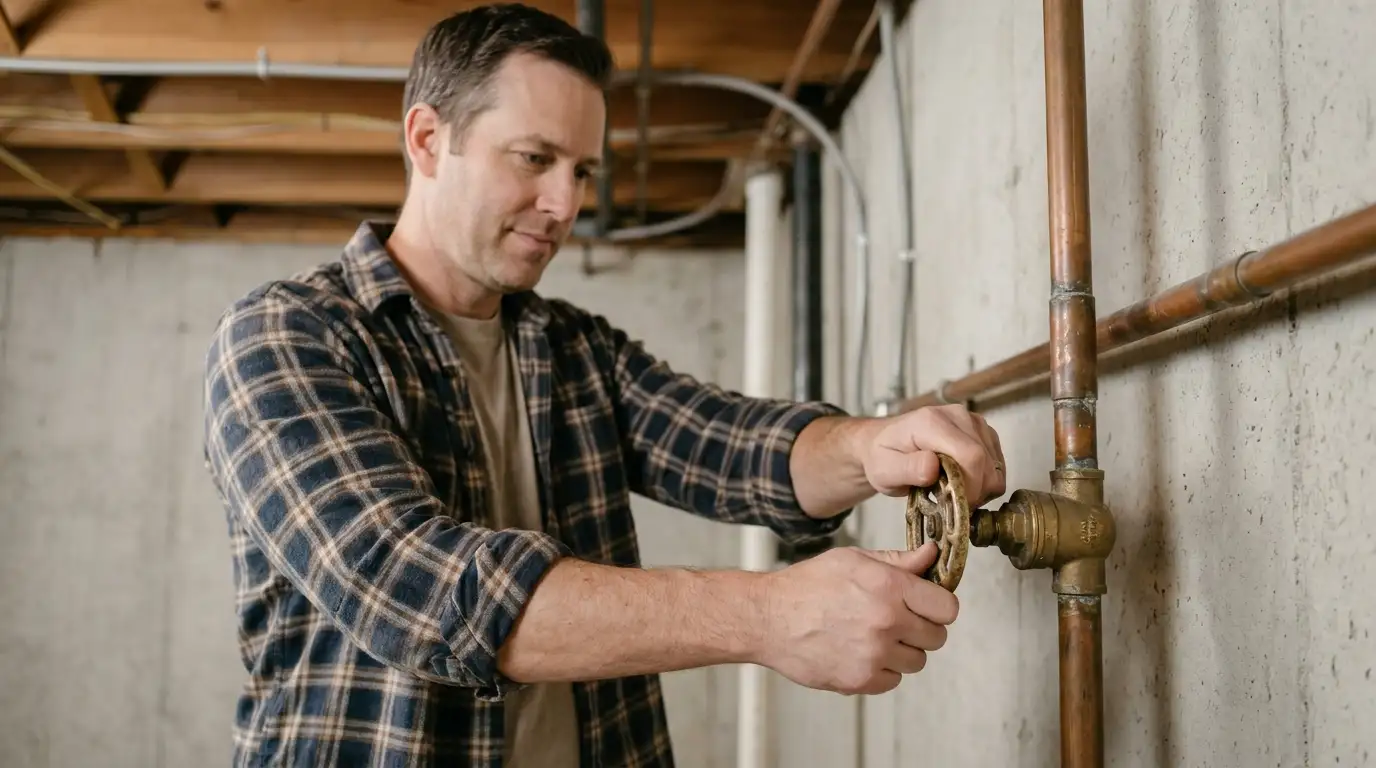
- Find and stop the source if you can, starting with the shutoff valve for the fixture or the main valve.
- Take photos and video of stains, damage, and meter readings.
- Keep a short log of when you first noticed each sign.
- Avoid poking or cutting into wet drywall yourself, which can spread mold spores and make the damage worse.
- Contact your property manager or landlord if you rent or live in a condo or co-op.
- Call a restoration professional for moisture detection and drying.
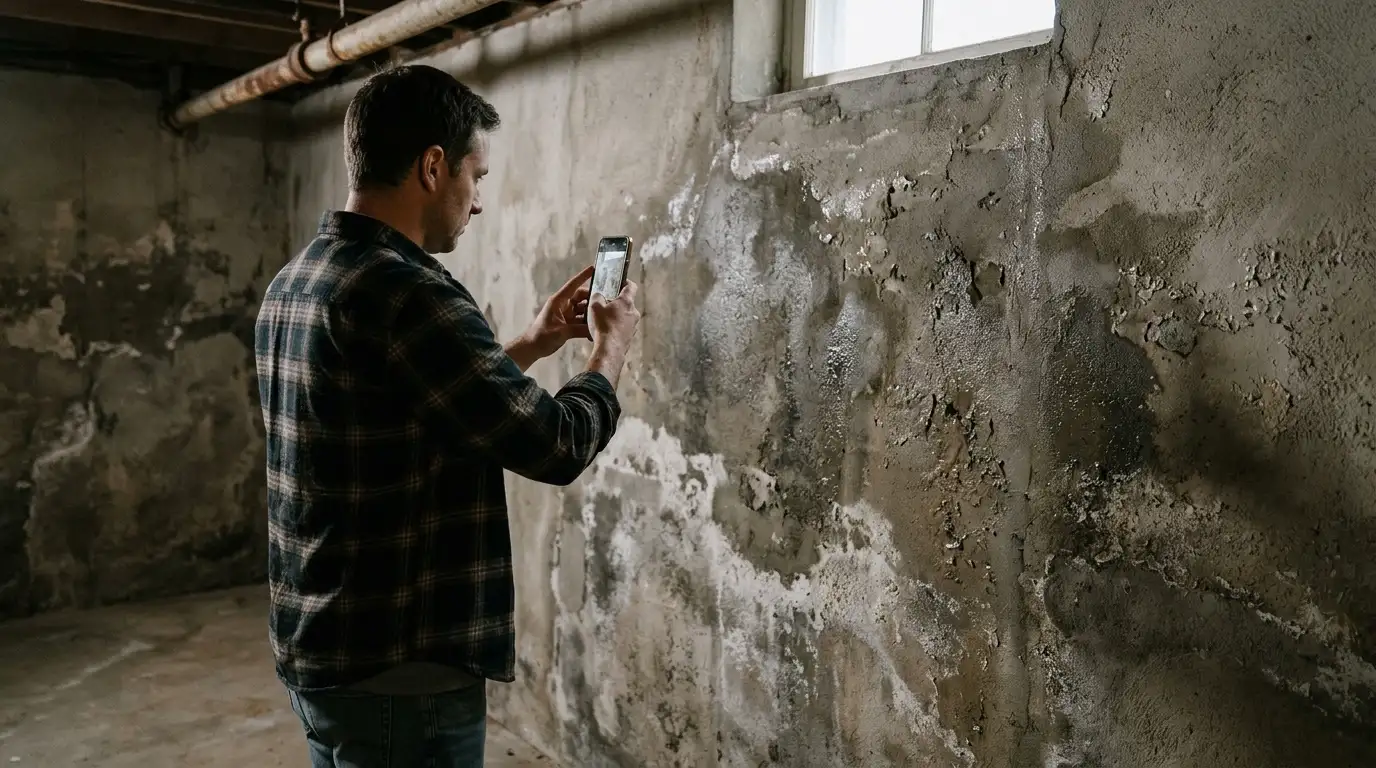
Simple habits that prevent hidden leaks
- Inspect under sinks and around toilets every few months.
- Replace old washing machine and dishwasher hoses before they fail.
- Re-caulk tubs, showers, and windows when the seal cracks.
- Keep gutters, downspouts, and drains clear.
- Know where your main shutoff valve is and test that it works.
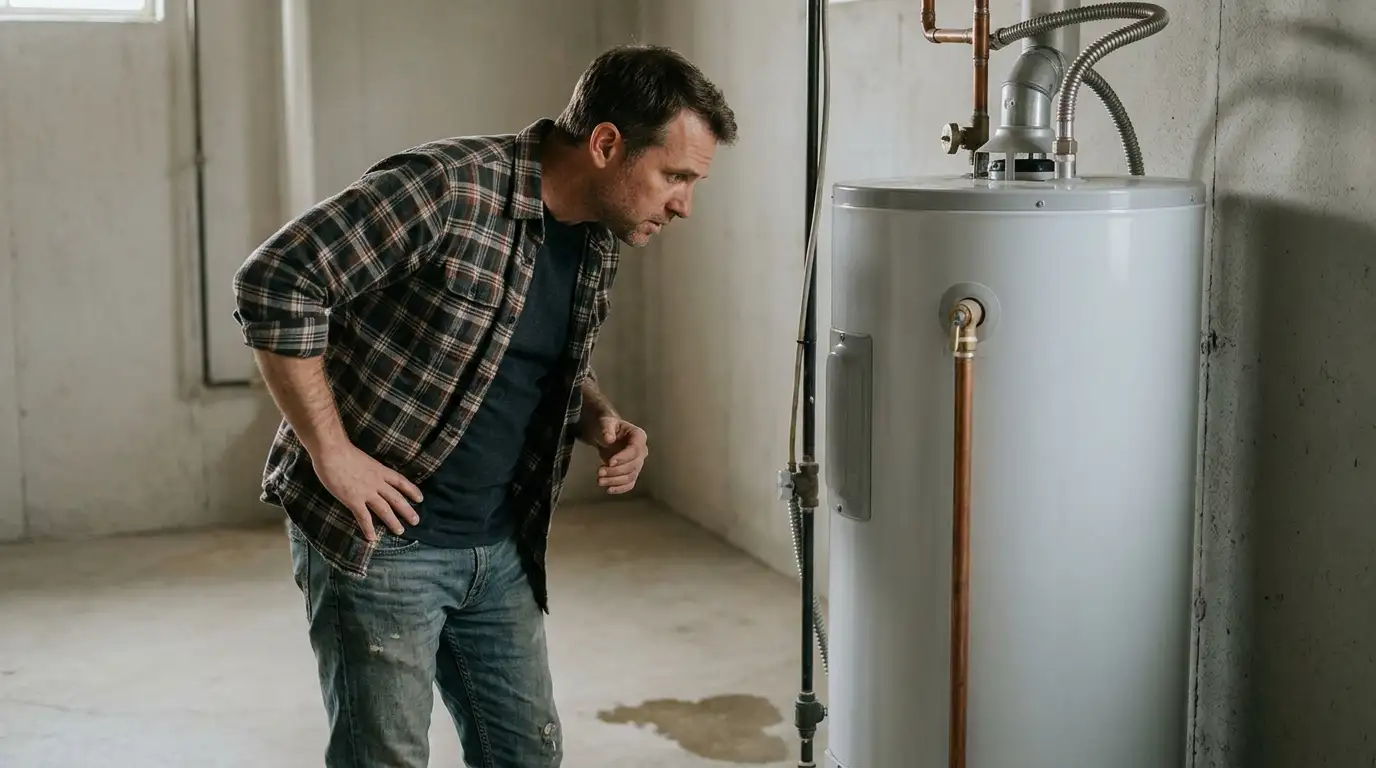
- Service your water heater and replace it before it reaches the end of its life.
Frequently asked questions
Can hidden water damage cause health problems? Persistent moisture can support mold growth and poor indoor air quality, which may aggravate allergies and breathing issues for some people.
How long can a hidden leak go unnoticed? A slow leak can continue for weeks or months, which is why unexplained bills, odors, and stains deserve attention.
Will insurance cover hidden leaks? Coverage varies. Sudden and accidental leaks are often covered, while long-term seepage may not be, so review your policy and report problems as soon as you find them.
When to call a professional
Call right away if you see sagging ceilings, widespread stains, a persistent musty smell, or any sign of water near electrical outlets. Call as well if your water meter moves when everything is off, or if mold keeps returning after cleaning. A timely inspection can confirm whether there is a problem and prevent a small leak from becoming a major loss.
How our team helps
Powerful pumps and extractors remove standing water quickly, limiting damage to floors, walls, and belongings so drying can start within hours of your call. Our Hoboken crews answer 24/7, find the source, and keep you updated until the property is dry and repaired.