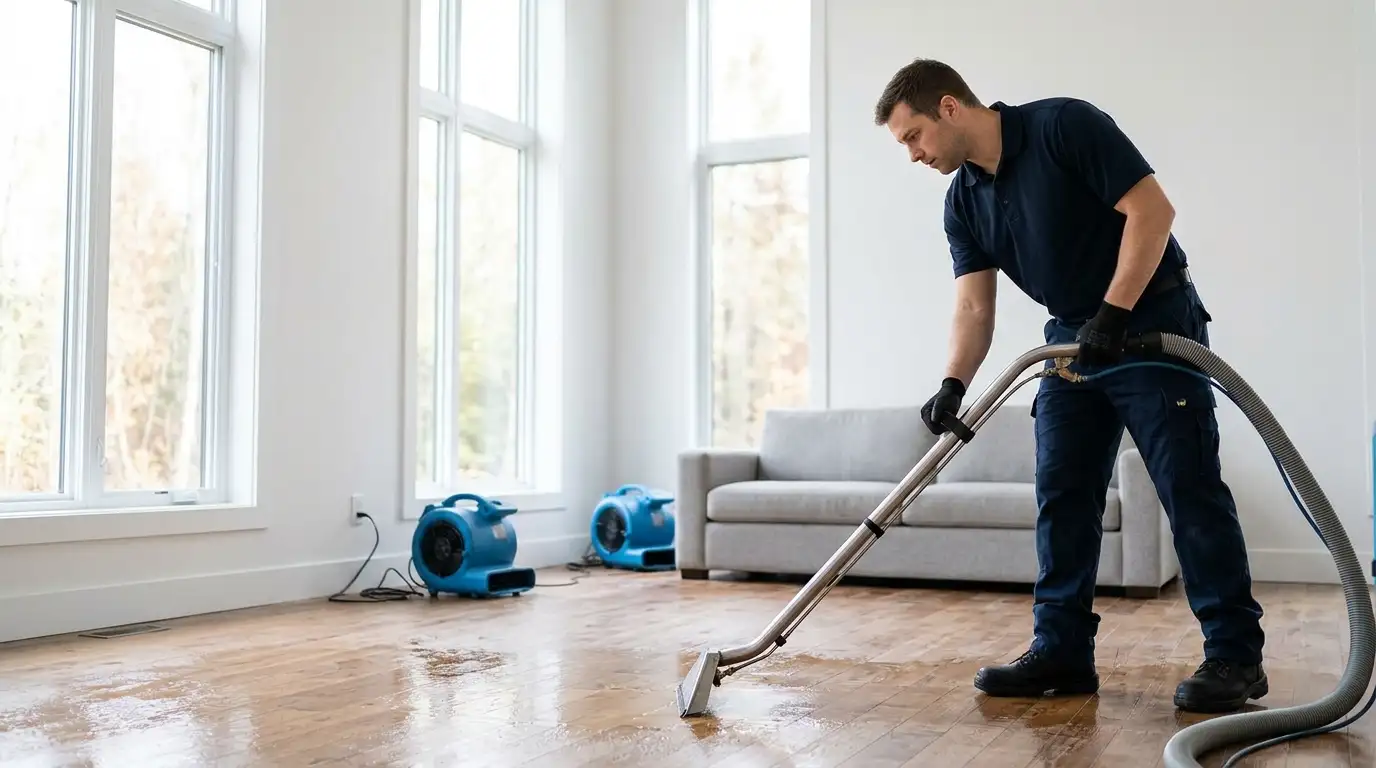
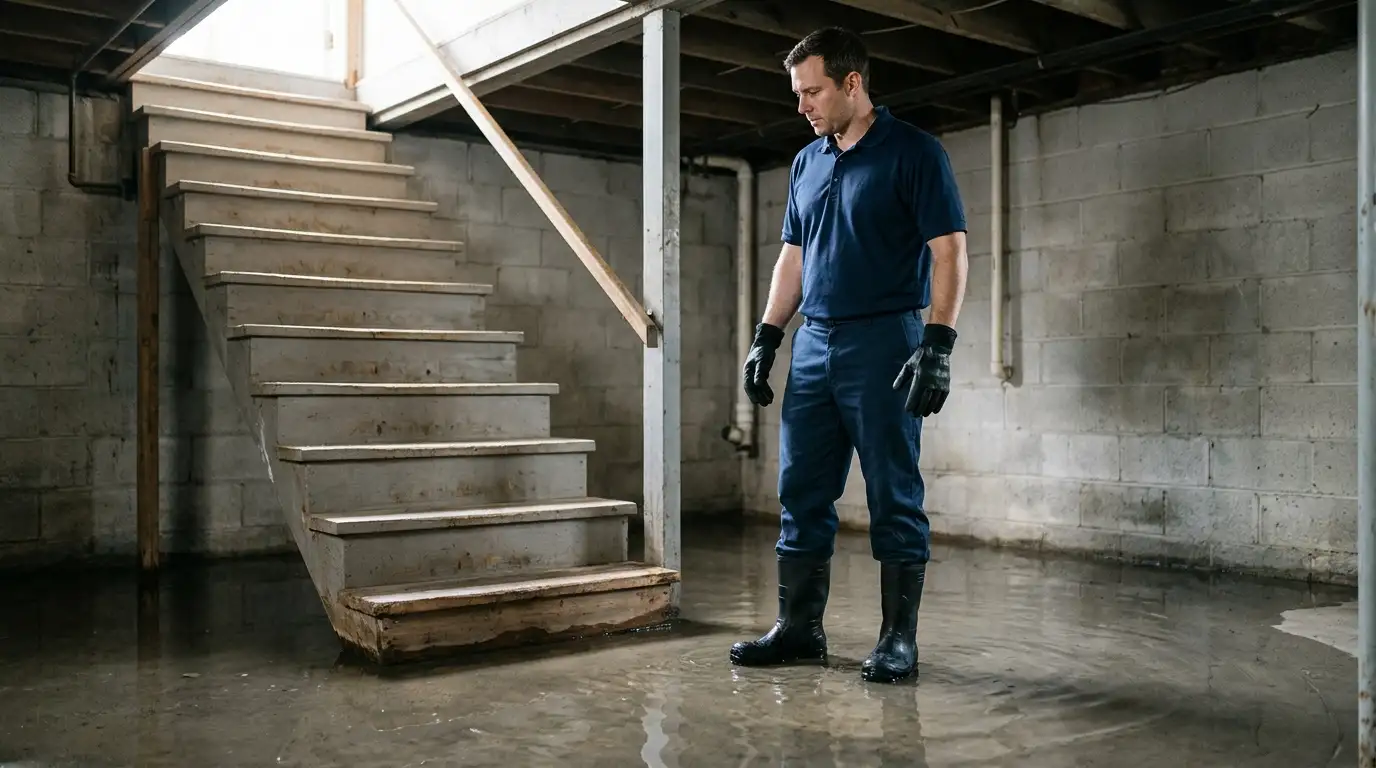
Post shutoff-valve locations, keep emergency contacts current, and have a 24/7 restoration number ready. After a loss, notify tenants, document every affected unit, and coordinate with the insurer. One contact who handles multiple units saves time and limits disputes.
Key takeaways
- Post shutoff-valve locations in every building
- Keep a 24/7 restoration number ready
- Notify tenants and document every affected unit
- Coordinate with the insurer through one contact
Why preparation matters for property managers
A property manager answers for the building when water strikes. A burst pipe on the fifth floor can damage the units below, the hallway, the lobby, and the elevator, and every affected resident will look to you for answers. The difference between a manageable loss and a major one often comes down to how quickly you stop the water, how clearly you communicate, and how well you document everything. A written plan, kept current, lets you act in minutes rather than hours.
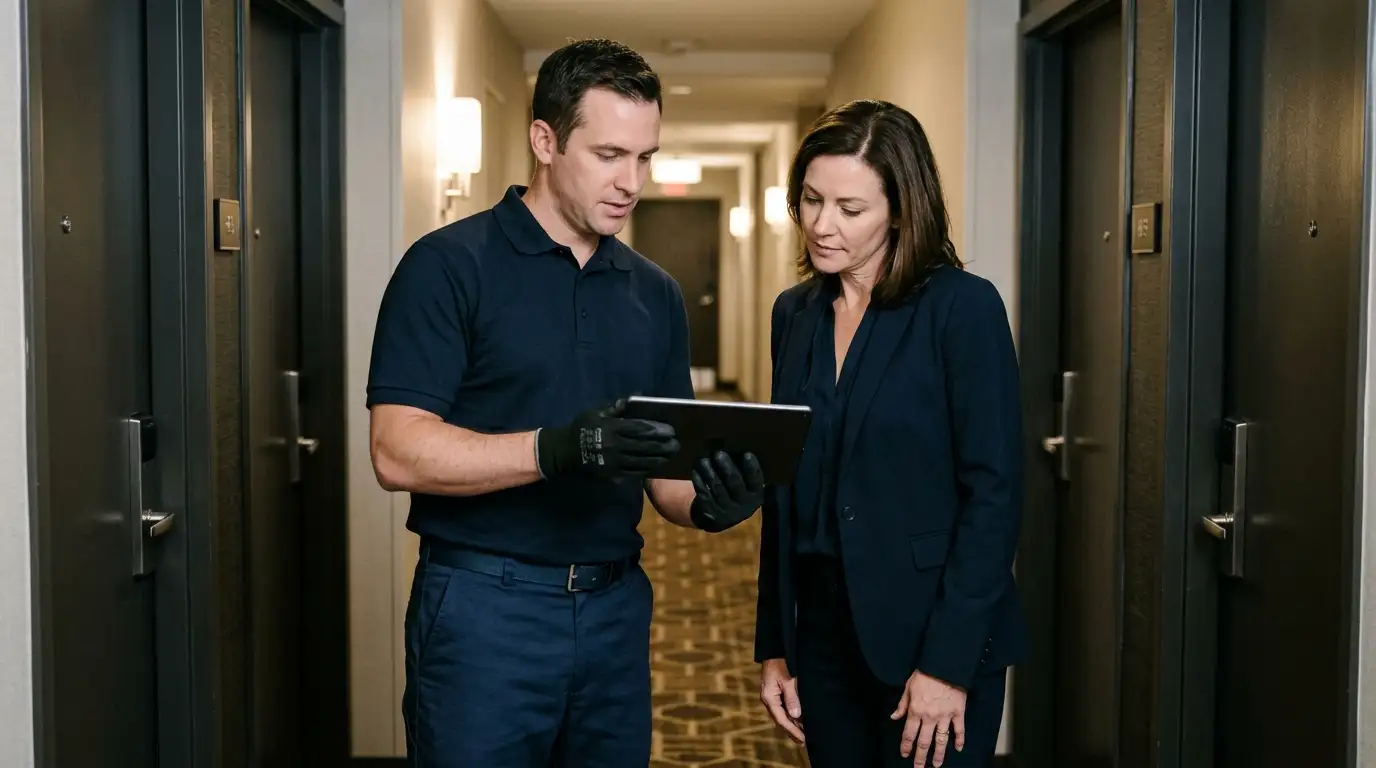
Build your emergency plan before you need it
- A 24/7 contact list for a restoration company, plumber, electrician, roofer, elevator technician, and insurance representative
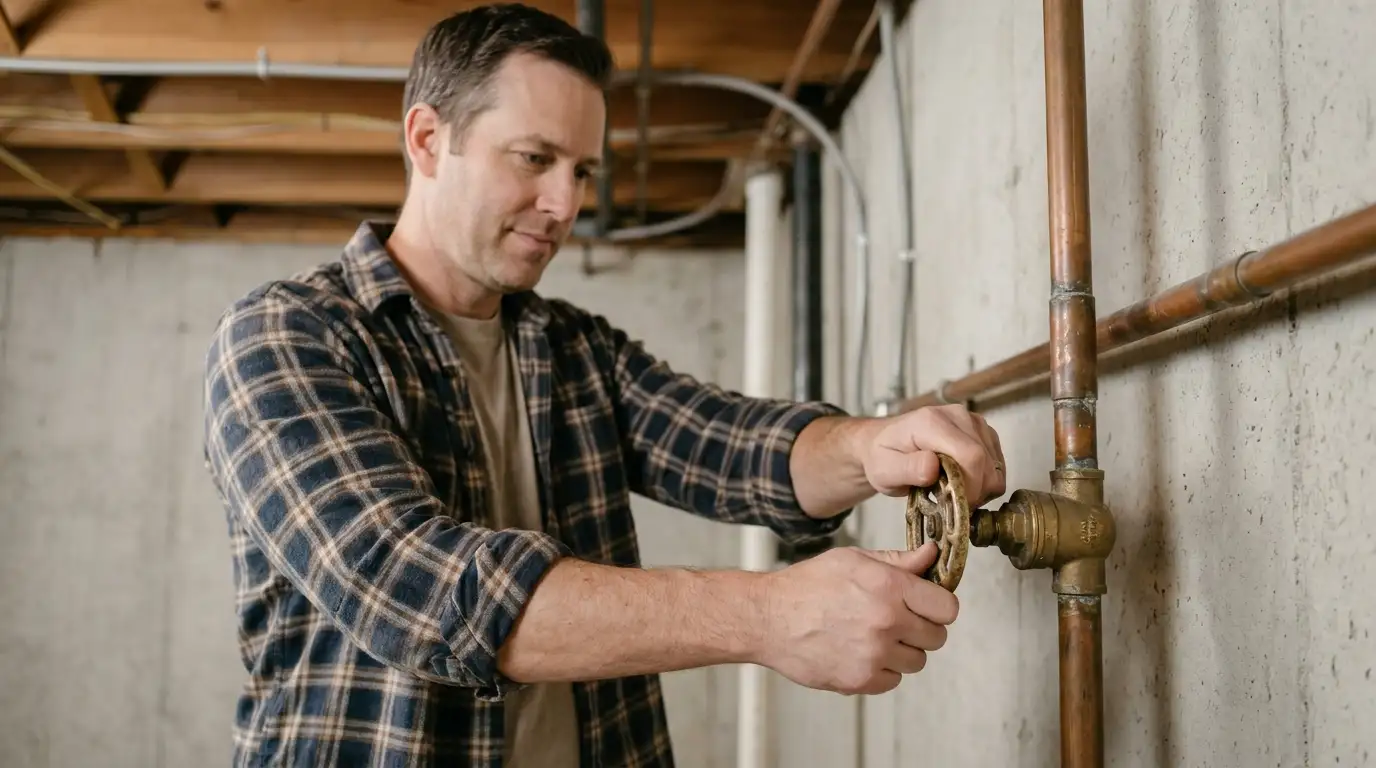
- Locations of the main water shutoffs, riser valves, unit shutoffs, and sprinkler controls, labeled and mapped
- Floor plans and building system diagrams that staff can find quickly
- A resident contact list with phone numbers and email addresses, kept up to date
- Your insurance policy details, deductibles, and the claim reporting number
- Key and access procedures for units, mechanical rooms, and roofs
- A written response procedure that tells staff exactly who does what
Review the plan at least once a year and after any major loss.
Prevention checklist
Regular inspections catch small problems before they become claims.
- Inspect roof drains, gutters, and scuppers regularly, and clear them before storms.
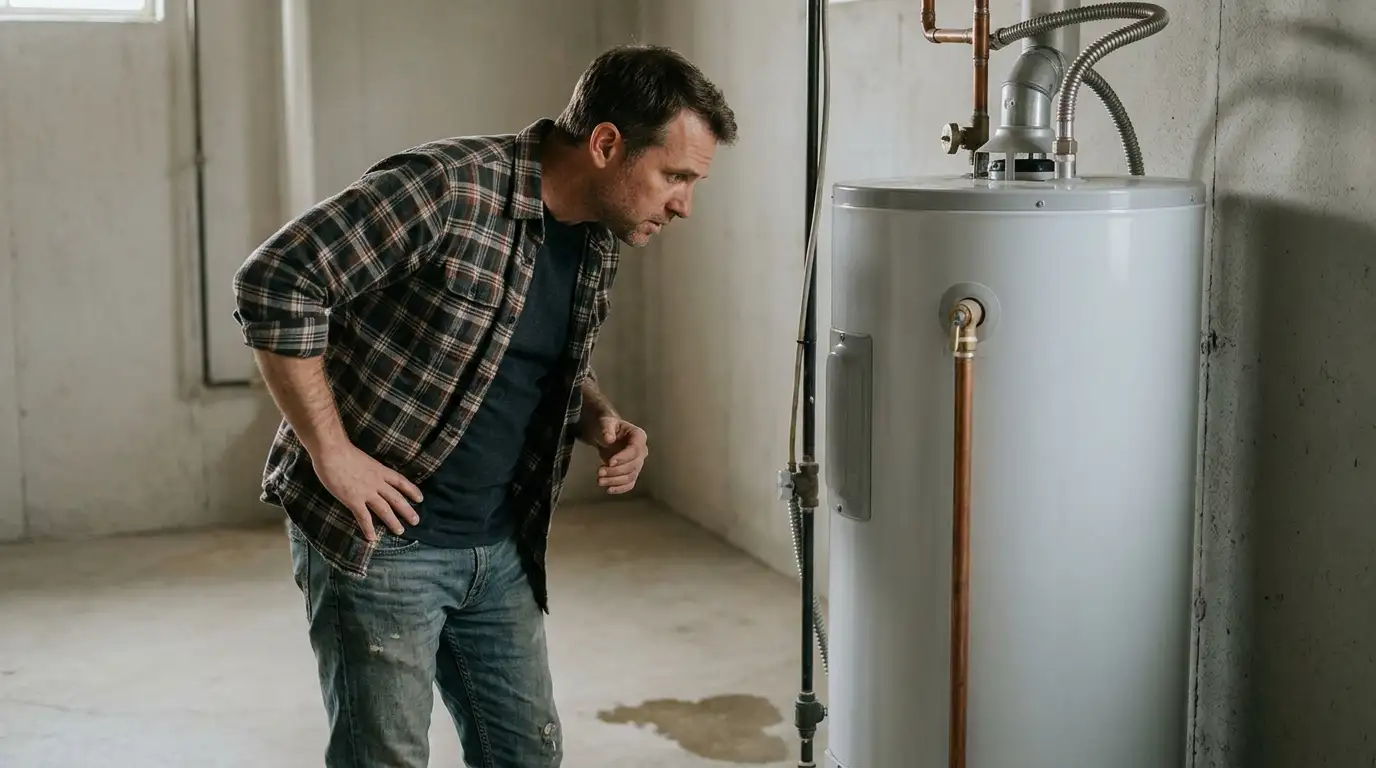
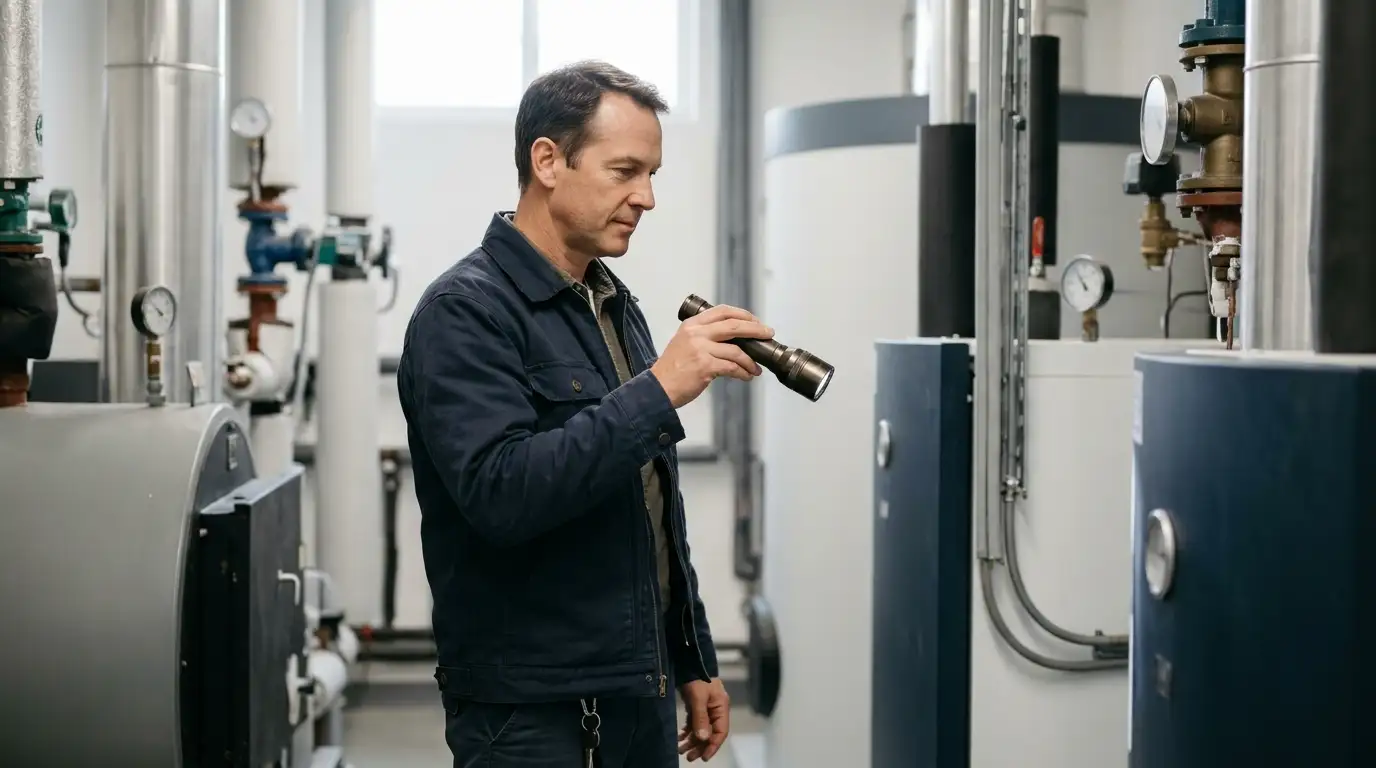
- Check boilers, water heaters, and pumps for leaks and corrosion.
- Test sump pumps and consider battery backup.
- Inspect washing machine hoses, dishwasher lines, and supply lines in common laundry rooms and units.
- Have sprinkler systems inspected and know where their shutoffs are.
- Check windows, exterior walls, and flashing for leaks.
- Insulate vulnerable pipes and plan for freeze protection in winter.
- Consider leak sensors in mechanical rooms, basements, and common areas.
Set expectations with residents
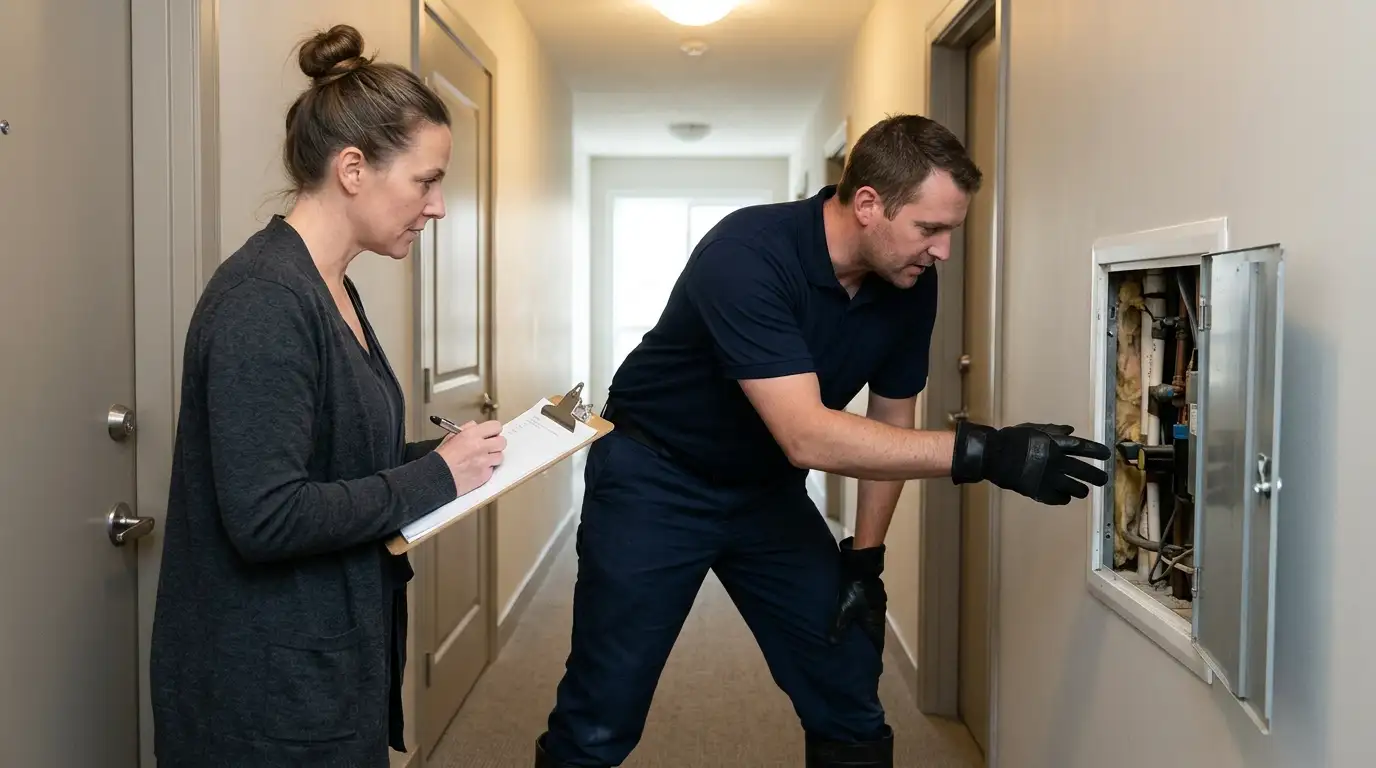
Clear rules reduce losses and speed reporting. Tell residents how to report leaks and who to call after hours. Remind them not to flush wipes or pour grease down drains, to keep heat on during cold weather, and to inspect appliance hoses. Encourage or require renters insurance, and explain how access works if work is needed in their unit.
The first hour of a loss
- Make the area safe, and keep residents and staff away from hazards such as electrical equipment and sagging ceilings.
- Stop the source of the water by closing the appropriate valve.
- Shut off electrical power to affected areas if it is safe to do so.
- Notify your restoration company and plumber right away.
- Take photos and video before cleanup.
- Notify affected residents with clear, factual information.
The first 24 hours
- Inspect every unit and common area that may be affected, including those below the source.
- Arrange access for the restoration team to each affected space.
- Set up temporary services if needed, such as water, heat, or elevator alternatives.
- Report the loss to the building's insurer and ask what they need.
- Start an incident log with times, actions, and contacts.
- Communicate with residents about what is happening, when work will begin, and how to reach you.
Documentation that protects the building
Good records support insurance claims and help resolve questions later.
- An incident report with date, time, source, and actions taken
- Photos and video of every affected area, including units, hallways, and mechanical rooms
- Moisture readings and drying logs from the restoration team
- Invoices from plumbers, restoration companies, and other vendors
- Copies of all resident notices and communications
Working with the restoration company
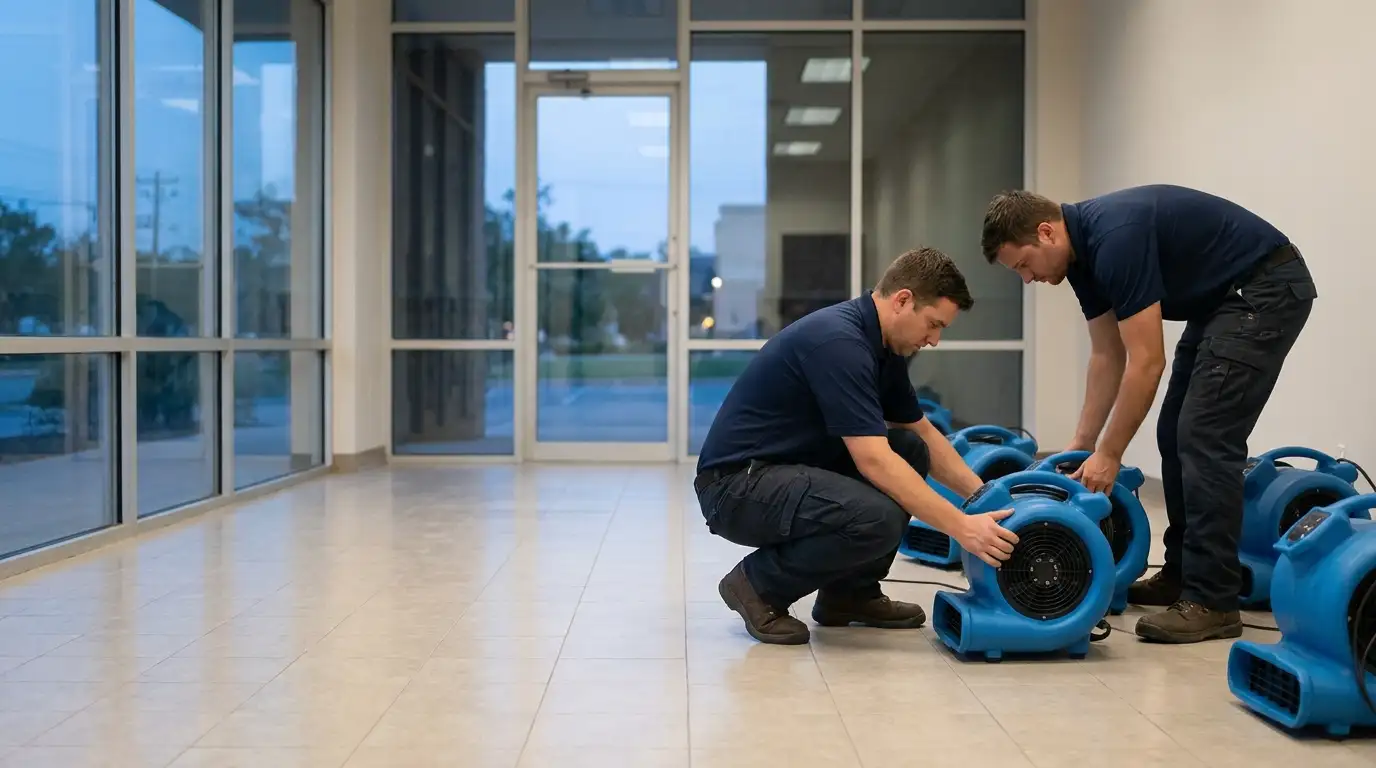
Choose one point of contact on your side and one on theirs. Share building access instructions, unit contact information, and any rules about work hours. Ask for a written scope of work, daily progress updates, and moisture logs. Confirm drying goals and sign-off steps before reconstruction begins. A restoration team that handles multiple units can keep standards consistent and save time.
Insurance coordination
Your building's policy, residents' policies, and sometimes a vendor's policy can all be involved. Report the loss promptly, ask about deductibles and requirements, and keep a clear record of who reported what and when. Remind residents to notify their own insurers about damage to their belongings. When responsibility is unclear, document the facts and ask your insurer or counsel for guidance rather than making assumptions.
Resident relations after a loss
Residents want to know what happened, what you are doing, and when it will be fixed. Give regular updates, even when there is no new information. Be clear about access schedules and about what residents should and should not do. If residents must leave their units, explain the process and how personal belongings will be protected, and consult counsel about lease and rent questions.
Mold and health concerns
Moisture that stays in walls and ceilings can support mold growth within 24 to 48 hours in damp conditions. Make sure drying is completed and verified before closing walls and starting finish work, and give residents clear information about air quality concerns.
After the job: review and improve
Once the building is back to normal, review what happened. What caused the loss? How fast was the response? Where did communication break down? Update your emergency plan, valve maps, and inspection schedule based on what you learn.
Frequently asked questions
Who should be on my emergency contact list? A restoration company, plumber, electrician, roofer, elevator technician, and insurance representative, plus resident and staff contacts.
How often should I review the plan? At least once a year and after any significant loss or building change.
Should residents report leaks in writing? Written or logged reports create a clear record, so provide a simple way for residents to report quickly.
When to call a professional
Call a restoration company as soon as water is stopped. Fast extraction and drying limit damage across units, and professional documentation supports insurance claims and resident communication.
How our team helps
We restore every kind of business, from restaurants and offices to warehouses and hotels, with phased work that keeps downtime short. Our Hoboken crews answer 24/7, find the source, and keep you updated until the property is dry and repaired.