Move electronics, files, and inventory off the floor, know where your shutoff valves are, and check sump pumps and drains. Back up data to the cloud. Keep a restoration company's emergency number and your insurance details handy so you can reopen sooner.
Key takeaways
- Move electronics, files, and stock off the floor
- Know where your shutoff valves are
- Check sump pumps and drains
- Back up data and keep insurance details handy
Why storm preparation matters for businesses
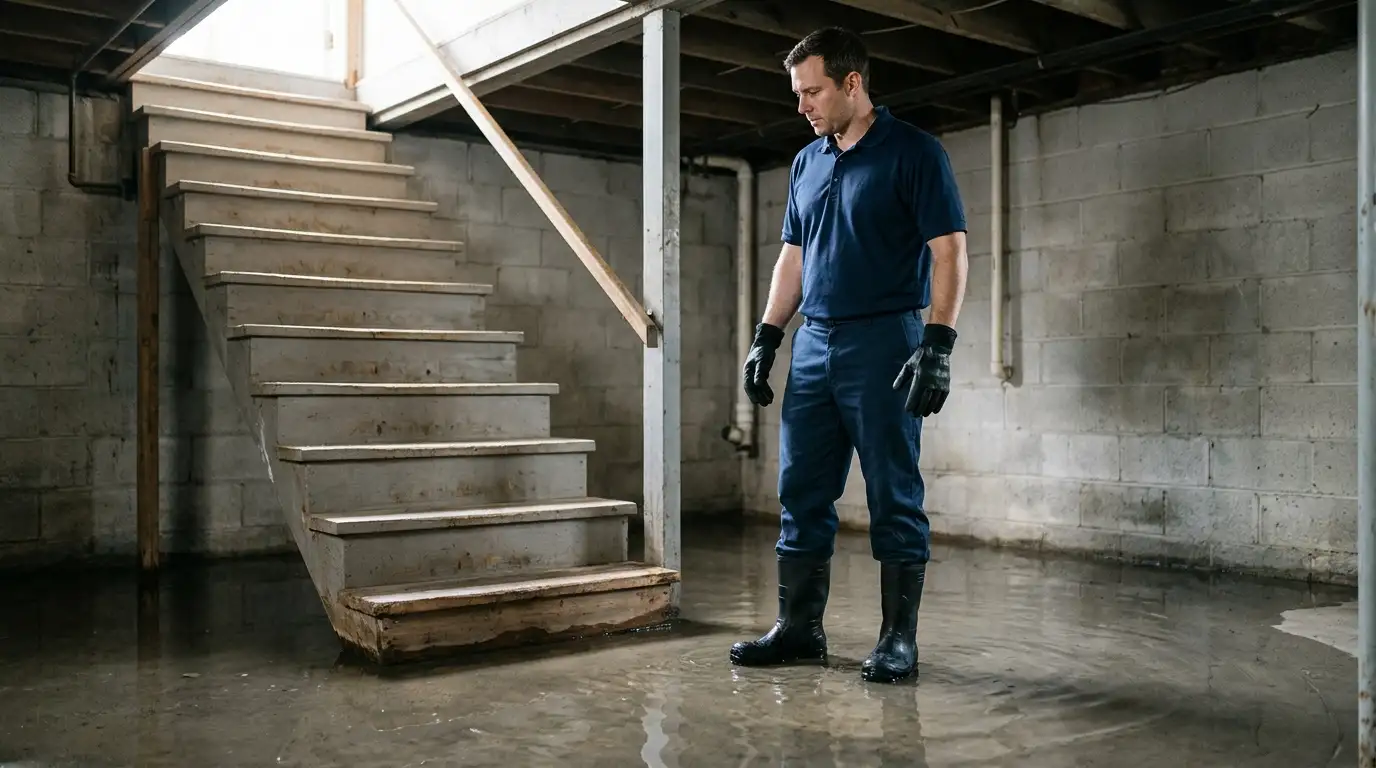
When a storm floods a restaurant or an office, the damage is only part of the cost. You may lose inventory, equipment, and records, and every day you cannot open means lost sales and idle staff. Hoboken sits low along the Hudson River, and heavy rain and storm surge have flooded streets and ground-floor spaces in the past, so local businesses have good reason to prepare. A plan made before the storm costs far less than scrambling during it.
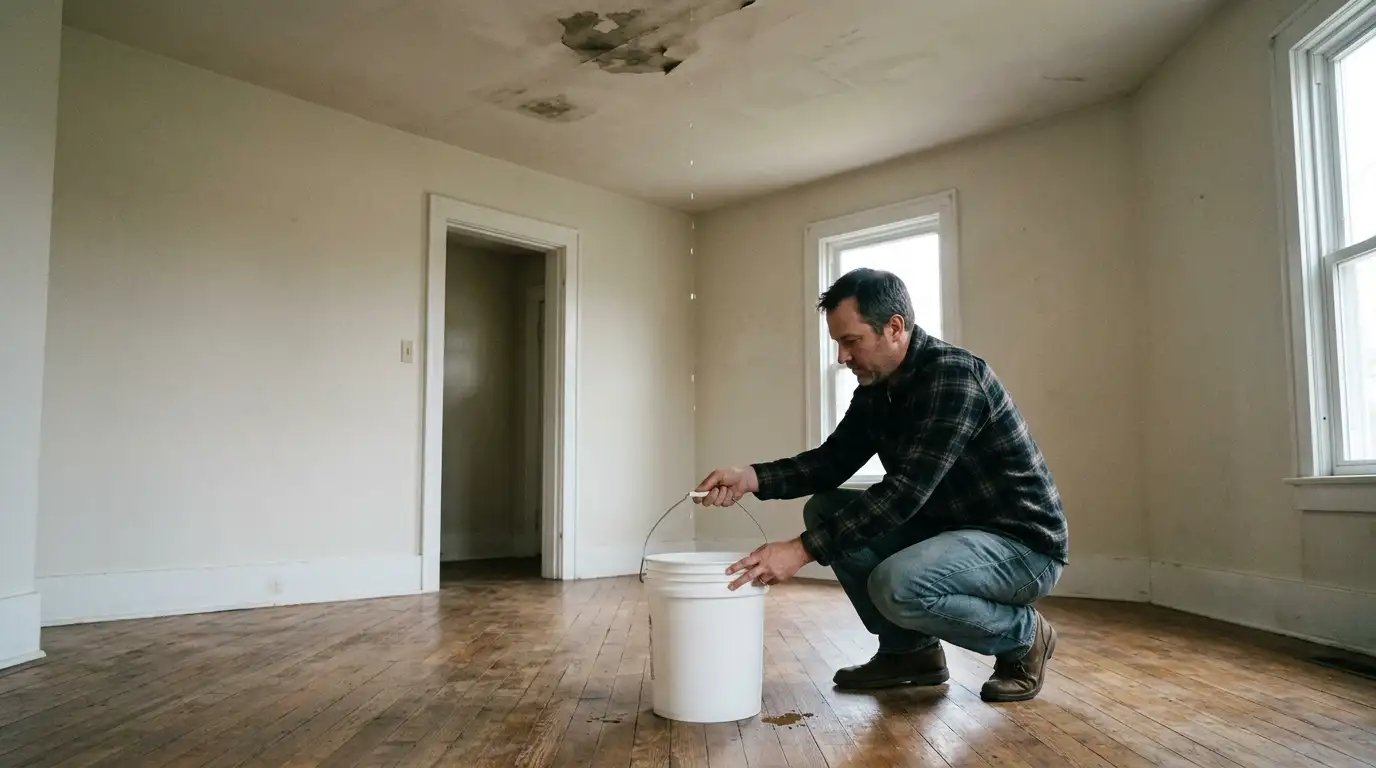
Know your risk
- Check your address on FEMA's flood maps and ask your insurance agent about your flood zone.
- Learn your building's history of water problems, including basement leaks and street flooding.
- Note which parts of your space are most vulnerable, such as basements, ground floors, loading areas, and low doors.
- Check whether your drains, sump pumps, and backflow protection are working.
Even if you are outside a mapped high-risk zone, flooding can still happen, so plan accordingly.
Create a written plan
- A contact list for staff, your landlord, your insurer, a restoration company, a plumber, and an electrician
- Clear roles for each person, including who closes the business, who shuts off utilities, and who communicates with customers
- A decision point for when to close and when to send employees home
- A plan for notifying customers and suppliers, including social media and voicemail updates
- A remote work or alternate operations plan, if possible
Share the plan with your team and practice it.
Protect inventory and equipment
- Move stock, supplies, and equipment off the floor, onto shelves or to higher floors where possible.
- Use sealed bins for items that cannot get wet.
- Elevate electrical equipment, appliances, and valuable machinery.
- Photograph your inventory and equipment now, so you have a baseline for insurance.
Protect data and documents
- Back up your data to the cloud or to an off-site location.
- Store essential papers, such as leases, insurance policies, and licenses, in waterproof containers and keep digital copies.
- Make sure your point-of-sale system, computers, and servers are elevated and protected.
- Keep a list of account numbers, vendor contacts, and insurance information that you can access from a phone.
Prepare the building and utilities
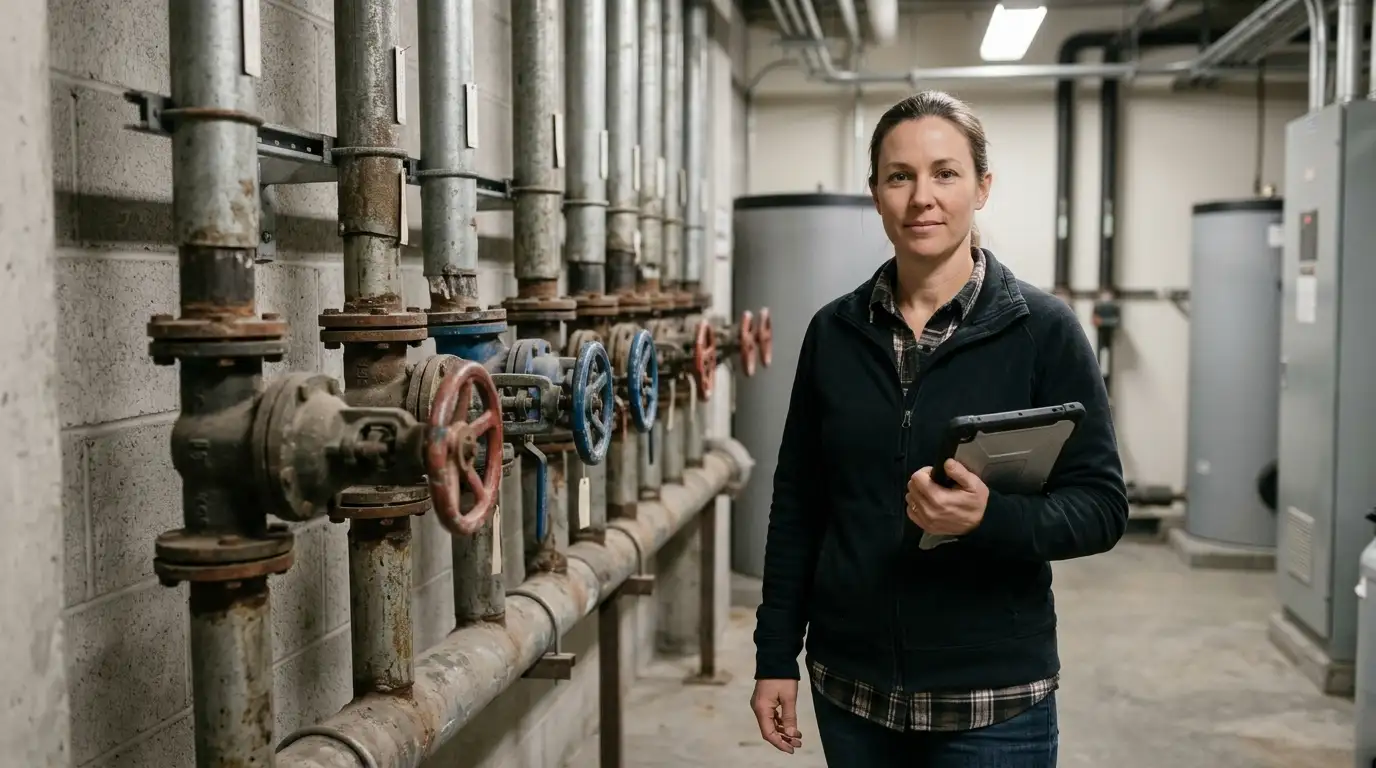
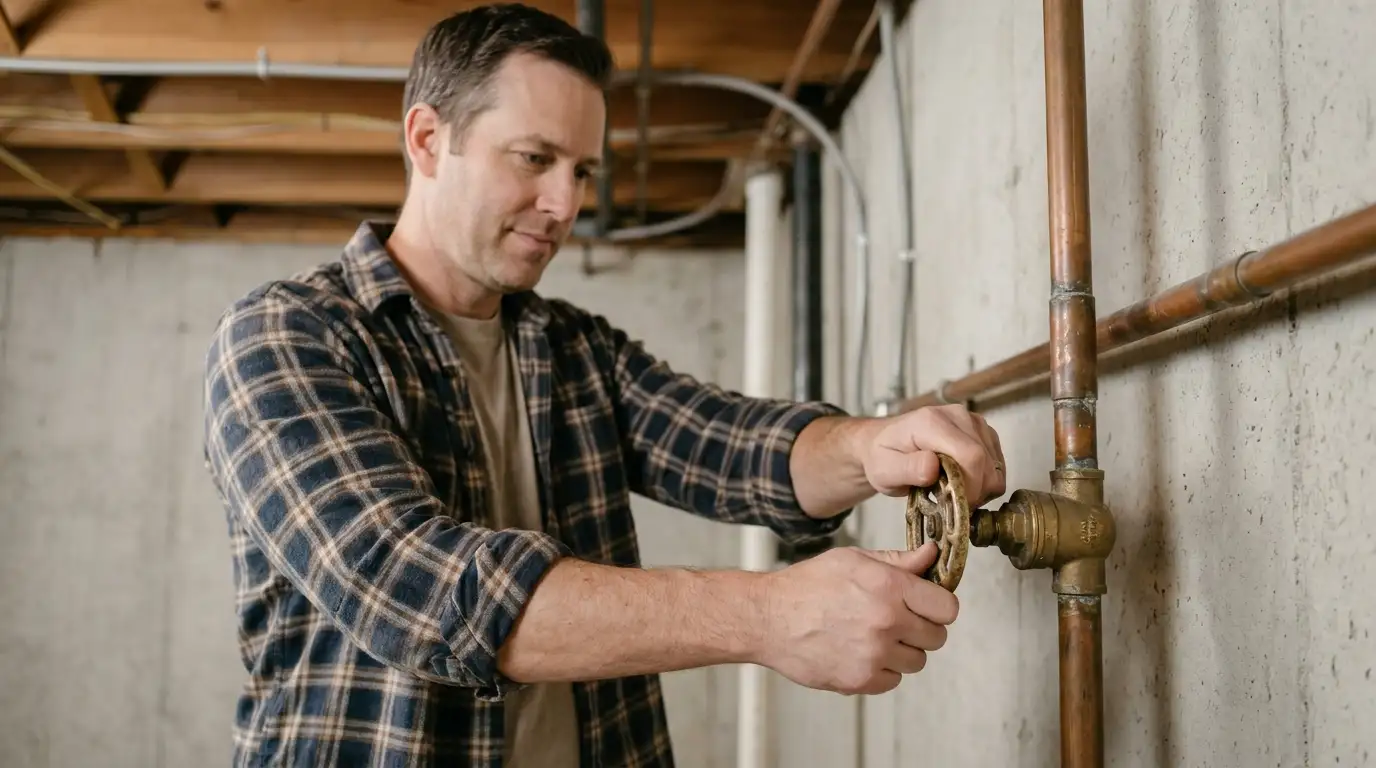
- Know where the main water, gas, and electrical shutoffs are, and make sure staff can find them.
- Test sump pumps, and consider battery backup.
- Clear gutters, downspouts, and drains.
- Ask a plumber about backwater valves to help stop sewage from flowing back into your space.
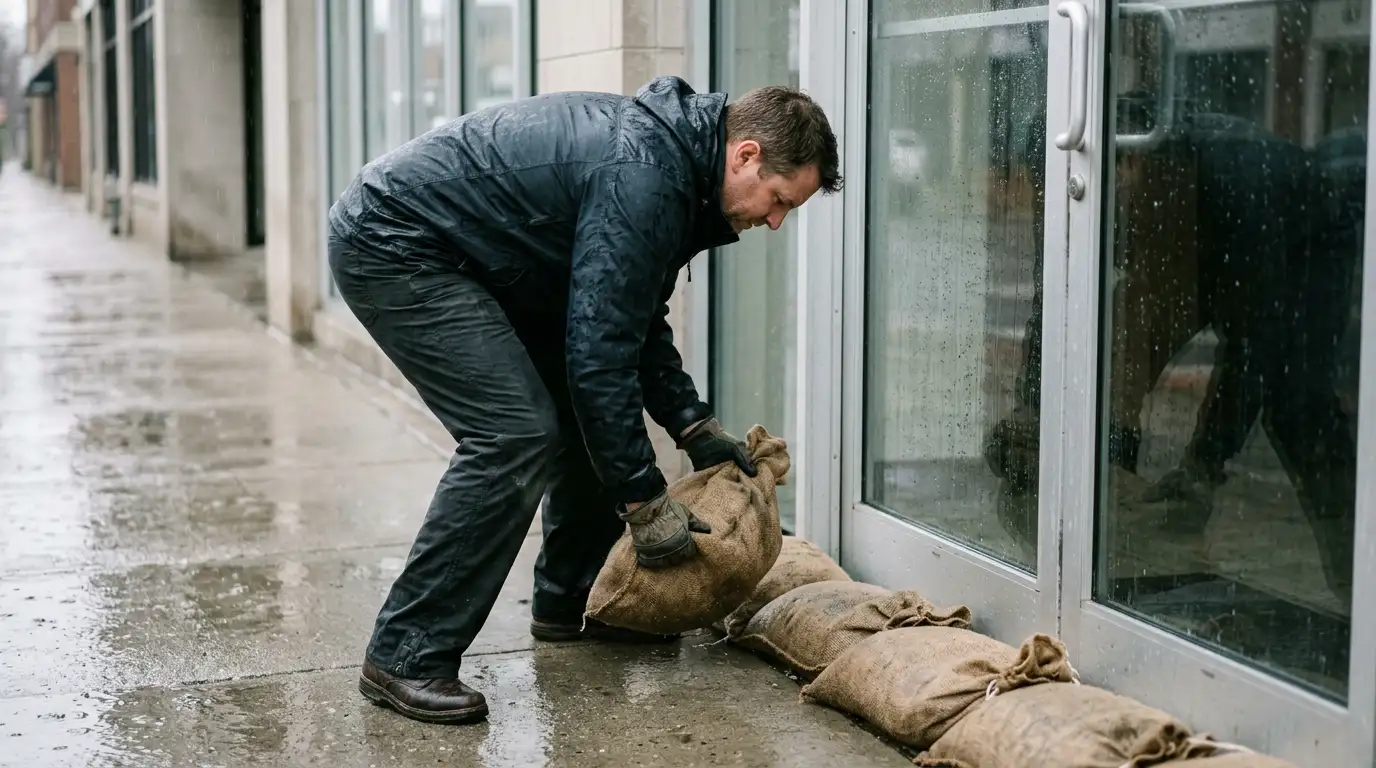
- Use door barriers, sandbags, or flood panels where appropriate and allowed.
- Bring in or secure outdoor items such as signs, furniture, and equipment.
Restaurants
- Plan for power loss and refrigeration. Know which food must be discarded after an outage or flood contact.
- Protect walk-in coolers, freezers, and kitchen equipment, and know how to shut them down safely.
- Check floor drains, grease traps, and sewer connections.
- Understand health department rules for reopening after a flood, including cleaning, disinfection, and food safety.
- Plan how to protect cash, receipts, and records.
Offices
- Move files, supplies, and equipment off the floor.
- Protect servers, network equipment, and phone systems.
- Create a plan for employees to work remotely if the office is closed.
- Keep copies of important documents in the cloud.
Review your insurance
Ask your agent about business property coverage, business interruption coverage, flood insurance, and coverage for water backup. Flood policies usually have a waiting period, so do not wait until a storm is forecast. Understand your deductibles and what documentation the insurer will need after a loss.
During the storm
- Prioritize safety. Follow local alerts and instructions.
- Do not enter or stay in a building that is flooding, and stay away from flood water.
- Avoid electrical hazards. Do not touch outlets, panels, or equipment if water is present.
- Monitor weather and official updates.
After the storm
- Do not return until authorities say it is safe, and be careful with electricity, gas, and structural damage.
- Take photos and video of the damage before cleanup.
- Call your insurer to report the loss.
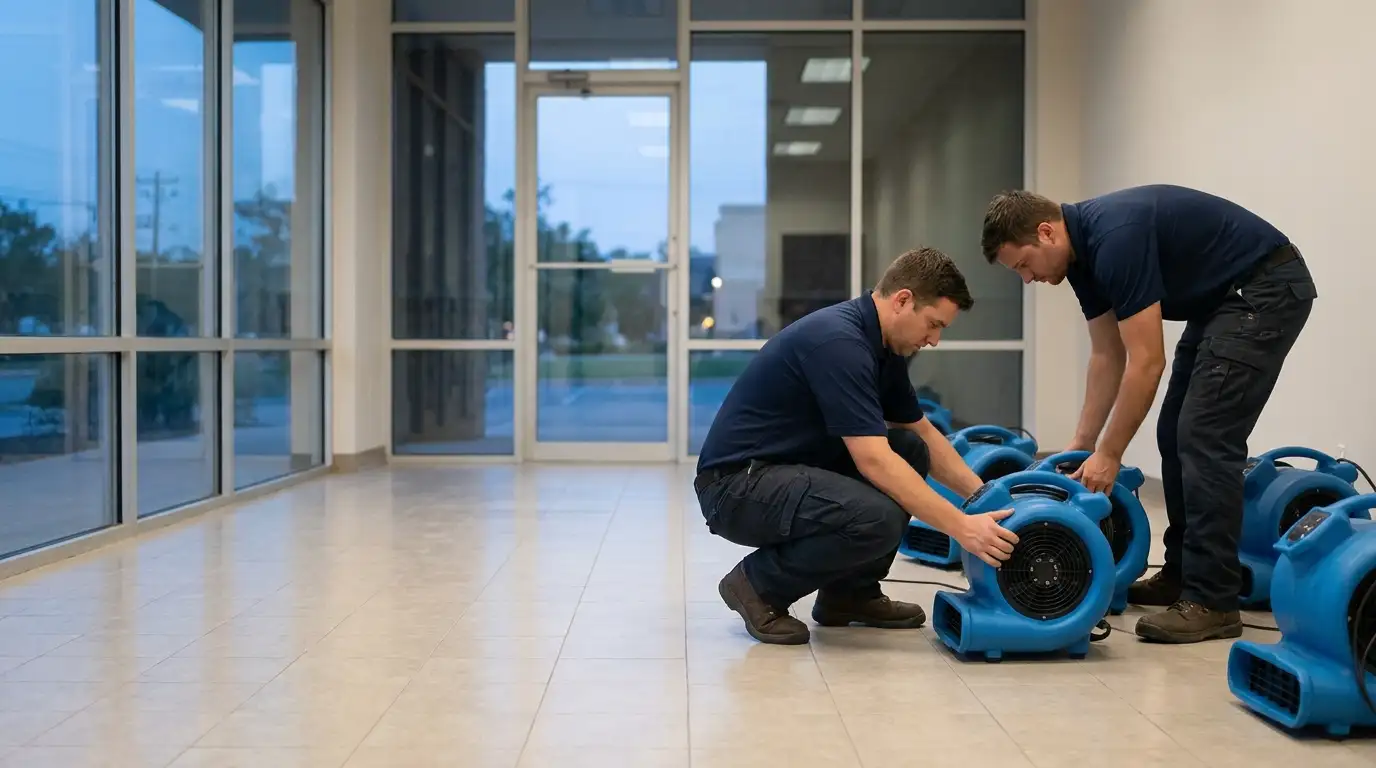
- Call a restoration company for water extraction, drying, and disinfection.
- Do not use food or products that touched contaminated water.
- Reopen only when the space has been cleaned, dried, and cleared.
Pre-storm checklist
- Review your plan with staff.
- Move inventory and equipment off the floor.
- Back up data and secure documents.
- Check shutoffs, pumps, and drains.
- Confirm insurance coverage and contacts.
- Secure outdoor items.
Frequently asked questions
When should I start preparing? Before storm season, and again whenever a storm is forecast.
Does business insurance cover flood damage? Often not unless you have flood coverage, so ask your agent.
Can I reopen as soon as the water recedes? Not until the space is safe, cleaned, dried, and, for food businesses, approved under local health rules.
When to call a professional
Call a restoration company as soon as it is safe to do so. Fast extraction, drying, and disinfection limit damage and help you reopen sooner.
How our team helps
We restore every kind of business, from restaurants and offices to warehouses and hotels, with phased work that keeps downtime short. Our Hoboken crews answer 24/7, find the source, and keep you updated until the property is dry and repaired.