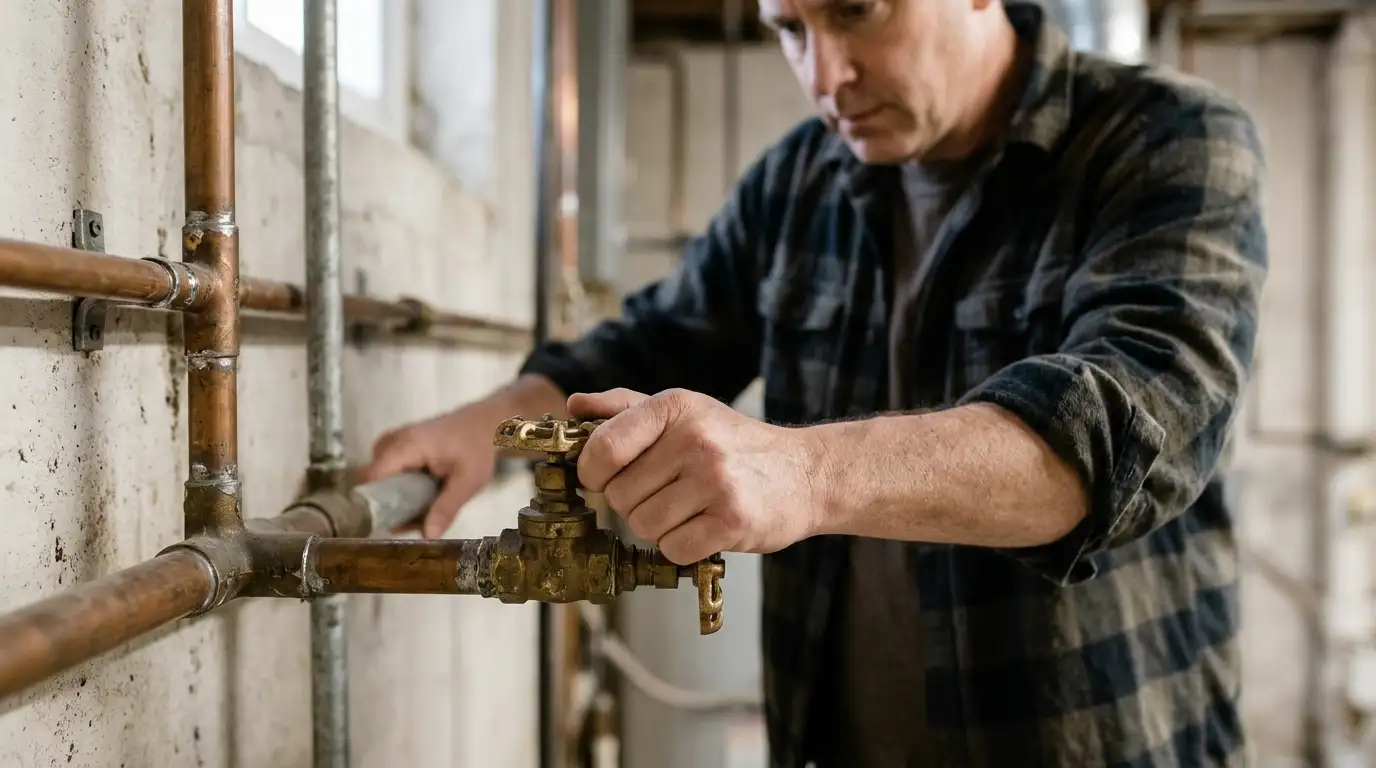
Take photos and video before cleanup, list damaged items, keep receipts, and save emails with your insurer. Do not discard damaged materials until the adjuster approves. We provide moisture logs and itemized reports to support your claim.
Key takeaways
- Take photos and video before cleanup
- List damaged items and keep receipts
- Save emails and notes with your insurer
- Keep damaged materials until the adjuster approves
Why documentation matters
When water damages your home, the quality of your records can shape how smoothly your claim goes. Insurers need to understand what happened, what was damaged, and what it will cost to repair. Clear photos, organized lists, and a timeline answer those questions quickly. Poor or missing records can slow a claim and lead to disputes. This guide is general information, not legal or insurance advice, and policies vary, so follow your own insurer's instructions.

Before you start documenting
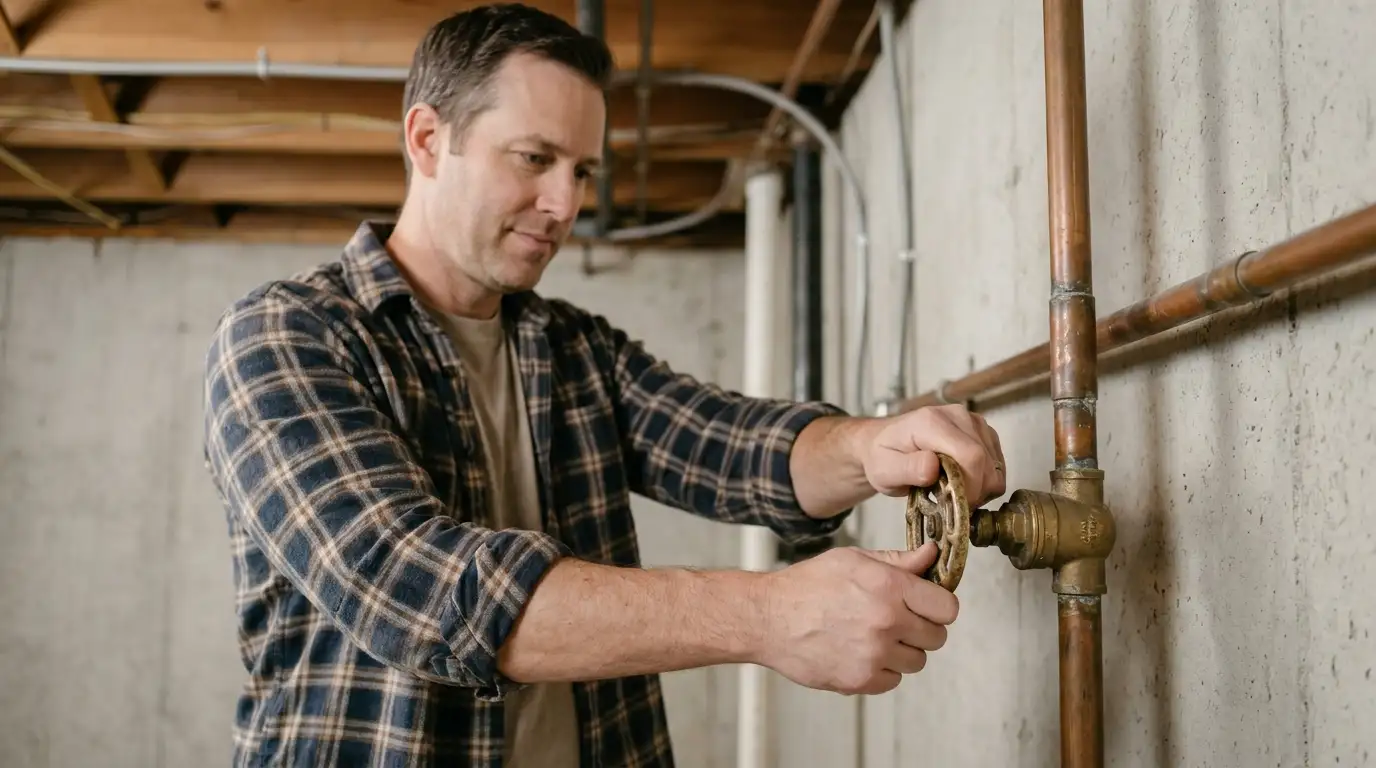
Safety comes first. Stop the source of the water if you can, avoid electrical hazards, and keep people and pets away from contaminated water. Most policies expect you to take reasonable steps to prevent further damage, such as stopping the leak, removing standing water, and starting drying. Do these things promptly and keep notes and receipts. Documenting the loss should not delay emergency action.
Take thorough photos and video
Capture the damage before you clean up or move anything.
- Start with wide shots of each affected room to show the overall condition.
- Take medium shots of walls, floors, and ceilings, and close-ups of specific damage.
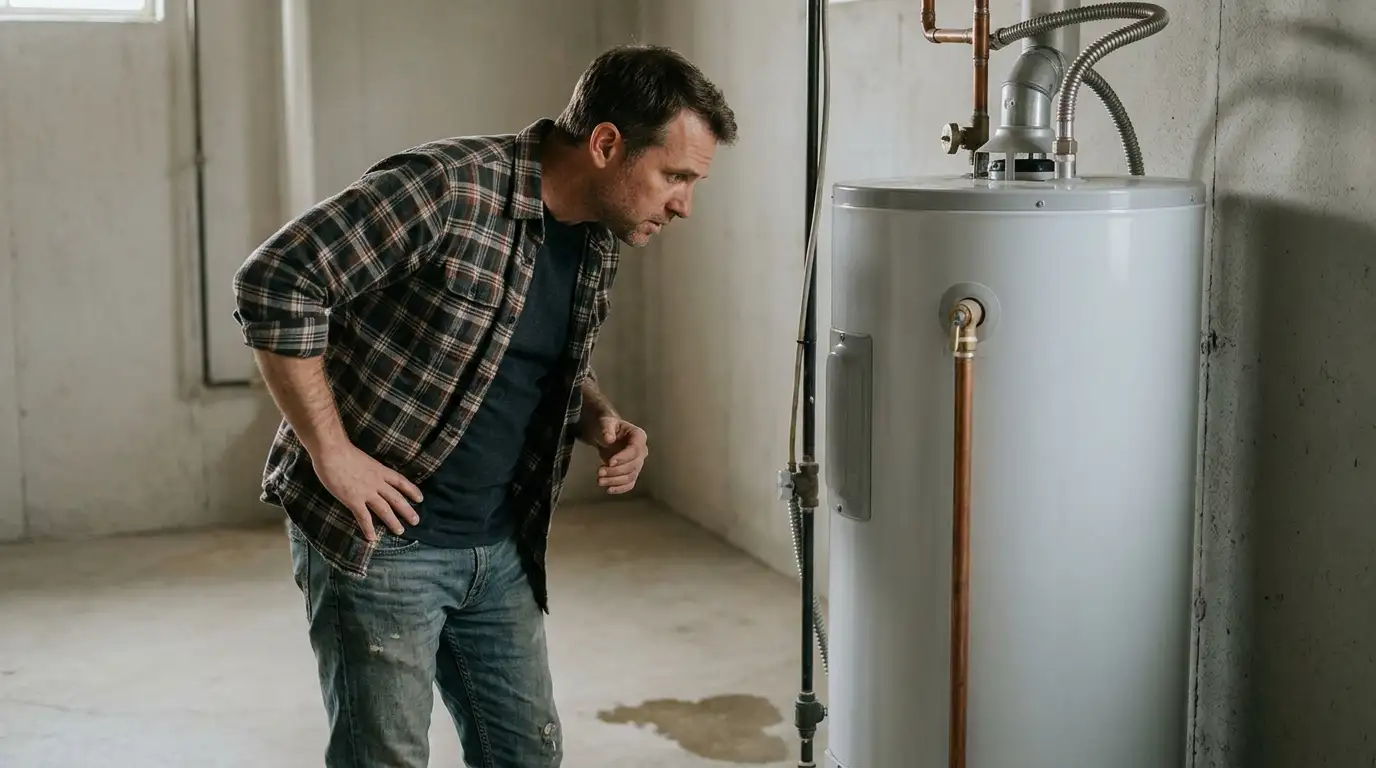
- Photograph the source of the water, such as a broken pipe or leaking appliance.
- Include water lines, stains, swelling, and warped materials.
- Shoot a walk-through video, narrating what you see and the date.
- Photograph labels, serial numbers, and model numbers on damaged items.
- Save copies to the cloud or another device so nothing is lost.
Keep a written timeline
Create a simple log that records dates, times, and actions. Note when you discovered the damage, when you stopped the water, who you called, and what each person told you. Write down your claim number, your adjuster's name and contact details, and the date and summary of every conversation. A clear timeline helps you remember details later and shows that you acted quickly.
Build an inventory of damaged items
List damaged belongings room by room.
- A short description of each item
- Brand, model, and approximate age
- Where and when you bought it, and the purchase price if known
- The condition before the loss and after the damage
- Photos, receipts, or bank and credit card statements that prove ownership
Ask your insurer whether your policy pays replacement cost or actual cash value, since this affects how detailed your values need to be.
List the structural damage
Record damage to the building itself, including drywall, flooring, baseboards, cabinets, doors, ceilings, insulation, and wiring. Note the size of each affected area and the materials involved. Your restoration company can help with a scope of work that lists what needs to be removed, dried, and rebuilt.
Keep damaged items until your insurer approves
Do not discard damaged belongings or building materials until you have documented them and your adjuster has either seen them or approved disposal. If an item is unsafe or unsanitary and must be removed right away, photograph it carefully, keep a sample if appropriate, and tell your insurer what you did and why.
Track your expenses
Keep every receipt related to the loss.
- Emergency repairs and temporary protection
- Water extraction, drying, and restoration services
- Hotel stays and meals if you cannot live in your home, since some policies include additional living expenses
- Storage and replacement of essential items
Ask your insurer what is covered and what documentation they need for each expense.
Work with your restoration company
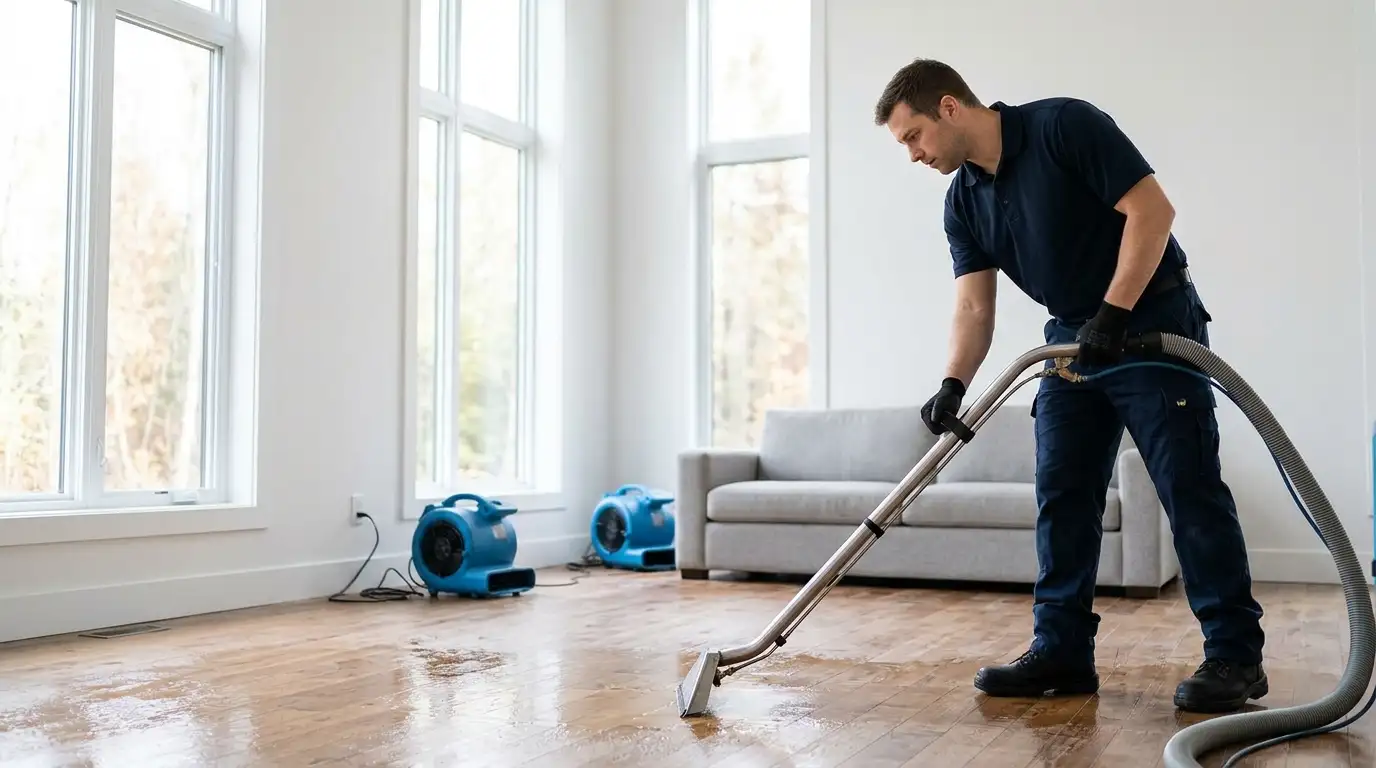
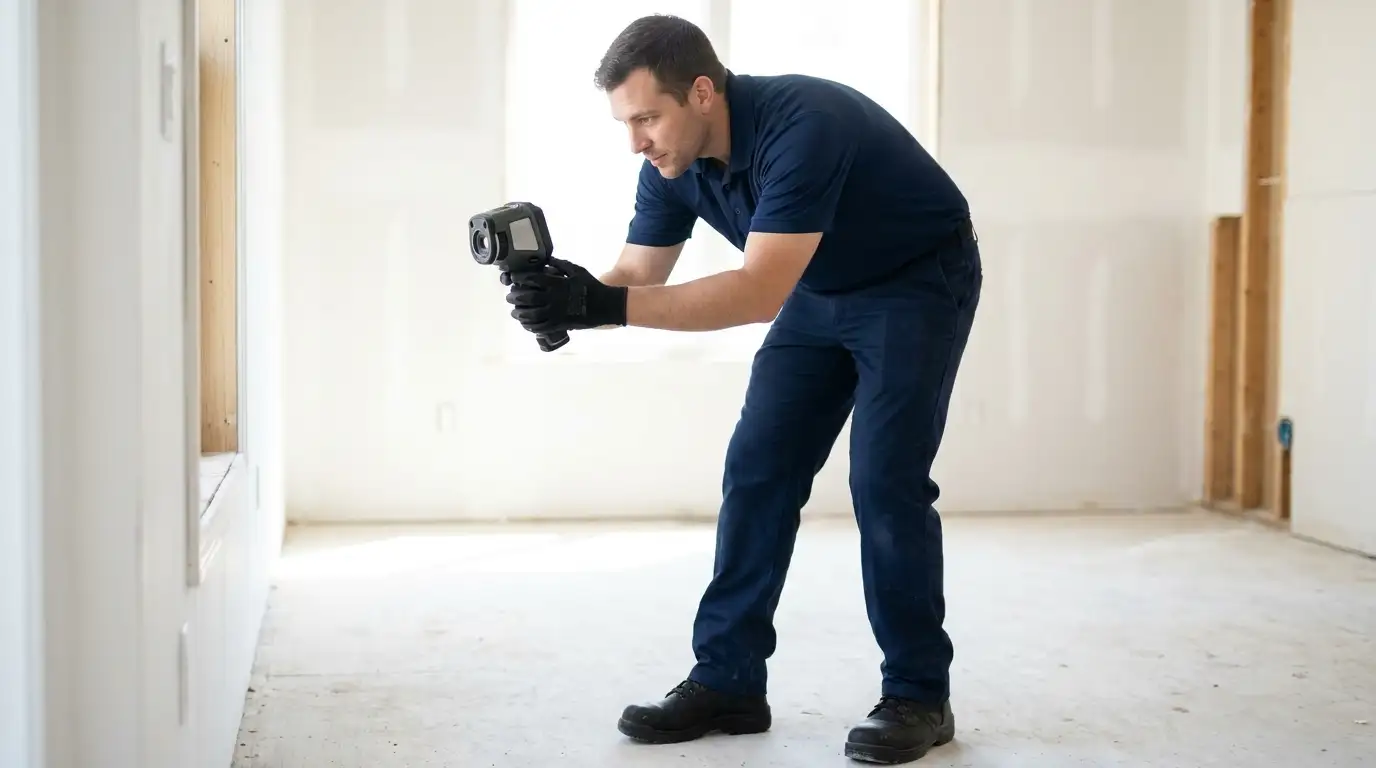
A professional restoration company produces records that insurers commonly rely on, such as photos, moisture readings, drying logs, equipment records, and an itemized scope of work. Ask for copies of these documents and keep them with your own records. The restoration company can document the damage and the work it performs, but your insurer decides coverage.
Communicate clearly with your insurer
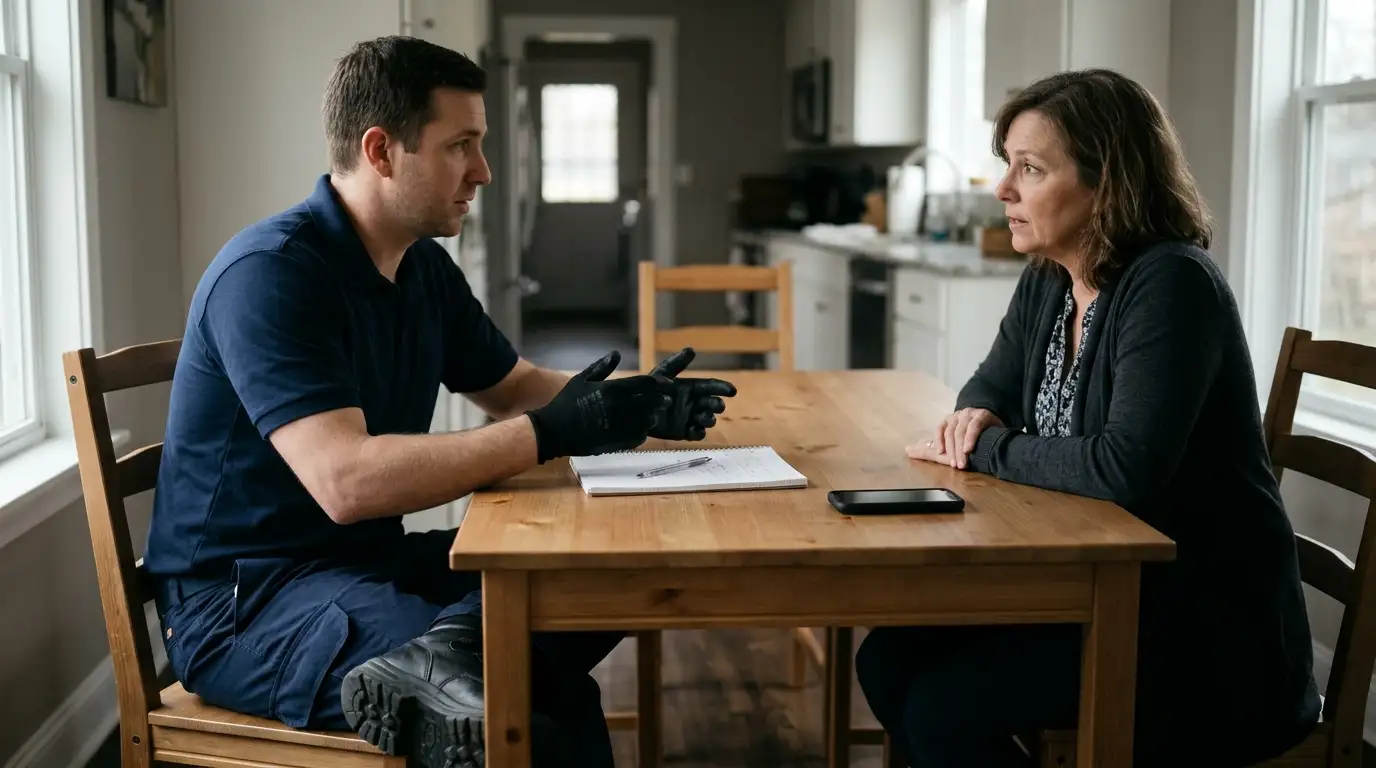
- Report the loss as soon as possible and get a claim number.
- Describe the source and timing accurately.
- Follow up important conversations in writing so there is a record.
- Ask what documents they need and what deadlines apply.
- Ask for a copy of your policy and for any denial or limitation in writing.
- Read any settlement or release carefully before you sign.
Common mistakes to avoid
- Throwing away damaged items before photographing them
- Waiting days before reporting the loss
- Skipping mitigation, such as stopping the leak and drying
- Using vague descriptions instead of specific item details
- Relying on verbal agreements instead of written confirmation
- Forgetting to save receipts and emails
Renters, condos, and multi-unit buildings
If you rent, notify your landlord or property manager right away, and check whether you have a renters policy for your belongings. If you own a condo, review your policy and the association's policy to see which one covers each part of the loss. In shared buildings, water damage often affects several units, so coordinate with neighbors, the property manager, and the association, and keep your own records.
Quick checklist
- Stop the source and make the area safe.
- Take photos and video before cleanup.
- Start a timeline and claim log.
- Create an inventory of damaged items.
- Keep receipts and damaged materials.
- Get restoration documentation.
- Follow up with your insurer in writing.
Frequently asked questions
How soon should I report water damage? As soon as possible. Many policies require prompt notice.
Can I start repairs before the adjuster arrives? You should take emergency steps to prevent further damage, but check with your insurer before major repairs.
What if I do not have receipts? Use photos, bank statements, and other records, and describe each item as precisely as you can.
When to call a professional
Call a restoration company as soon as water enters your home. Fast drying protects your property, and professional documentation helps you present your claim clearly.
How our team helps
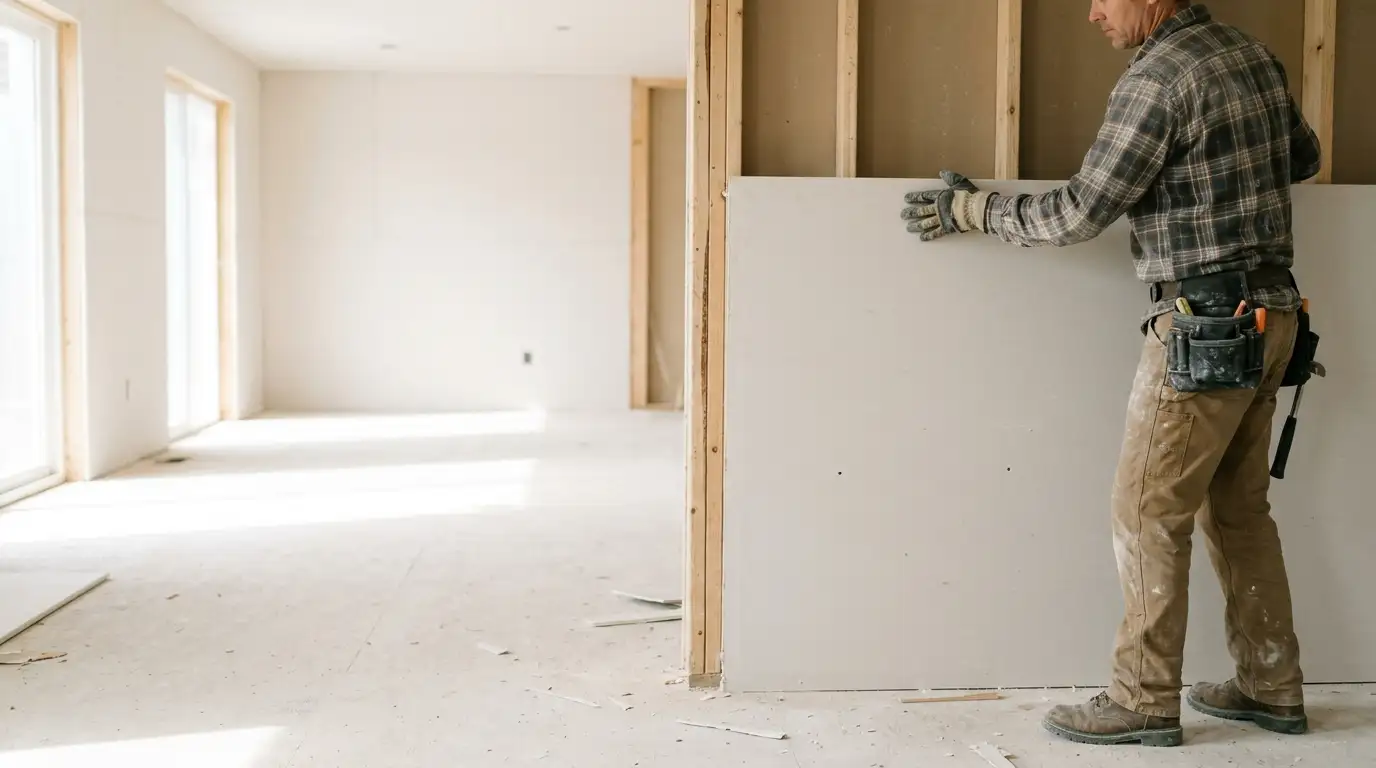
After drying, we rebuild what water damaged, including drywall, flooring, paint, and trim, and provide documentation to support your insurance claim from start to finish. Our Hoboken crews answer 24/7, find the source, and keep you updated until the property is dry and repaired.