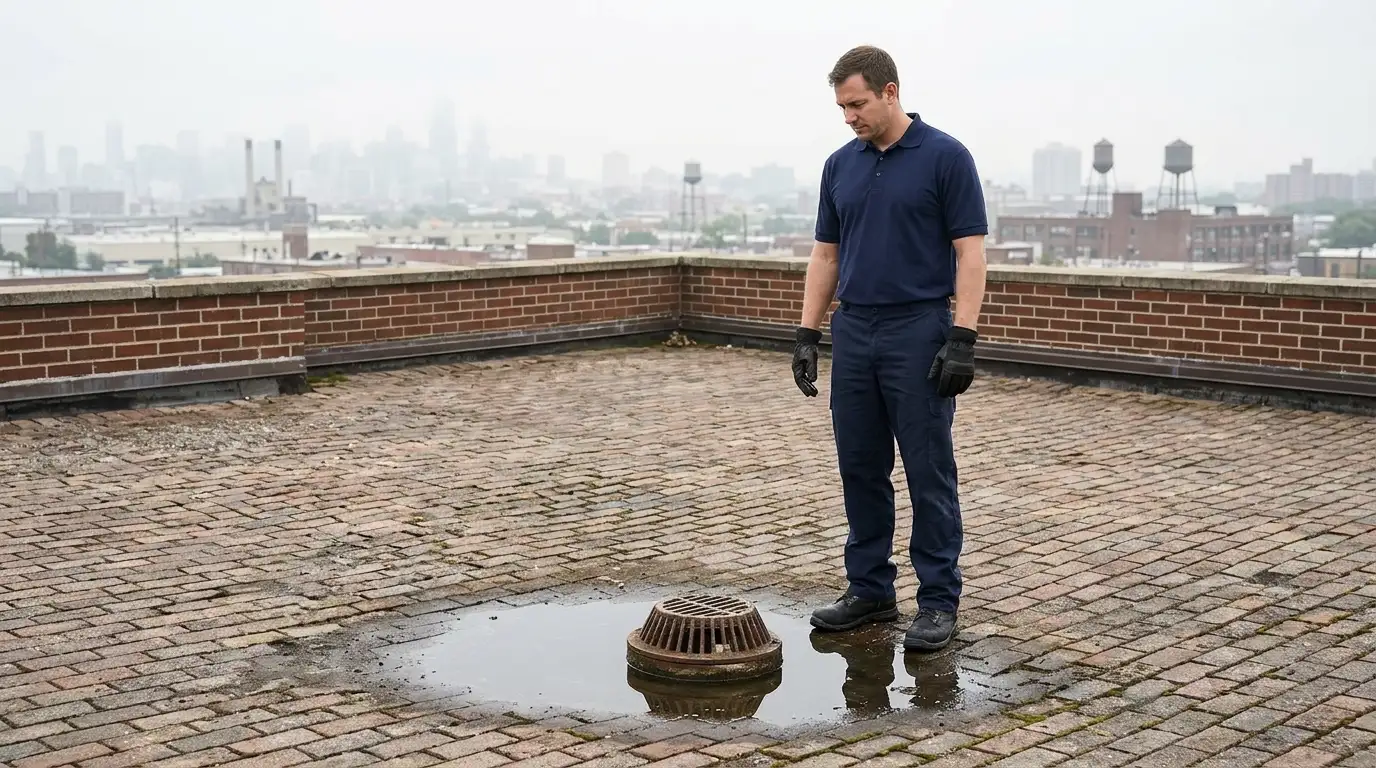
Structural drying often takes 3 to 5 days, though plaster walls, hardwood floors, and masonry can take longer. Drying time depends on how long the water sat, the materials, and airflow. Technicians check moisture readings daily until the building returns to normal levels.
Key takeaways
- Typical drying takes about 3 to 5 days
- Plaster, hardwood, and masonry can take longer
- Time, materials, and airflow affect drying
- Daily moisture readings confirm when it is dry
What structural drying actually means
When people picture water damage, they picture the water on the floor. Removing it is only the first step. Water soaks into walls, floors, framing, and insulation, and it stays there long after the surface looks dry. Structural drying is the process of removing that hidden moisture with controlled airflow, dehumidification, and careful monitoring until the building returns to its normal moisture levels.
In an older Hoboken brownstone, the process can take more planning than in a new building. The materials are denser, the layouts are tighter, and moisture can travel between floors and shared walls.
How long drying usually takes
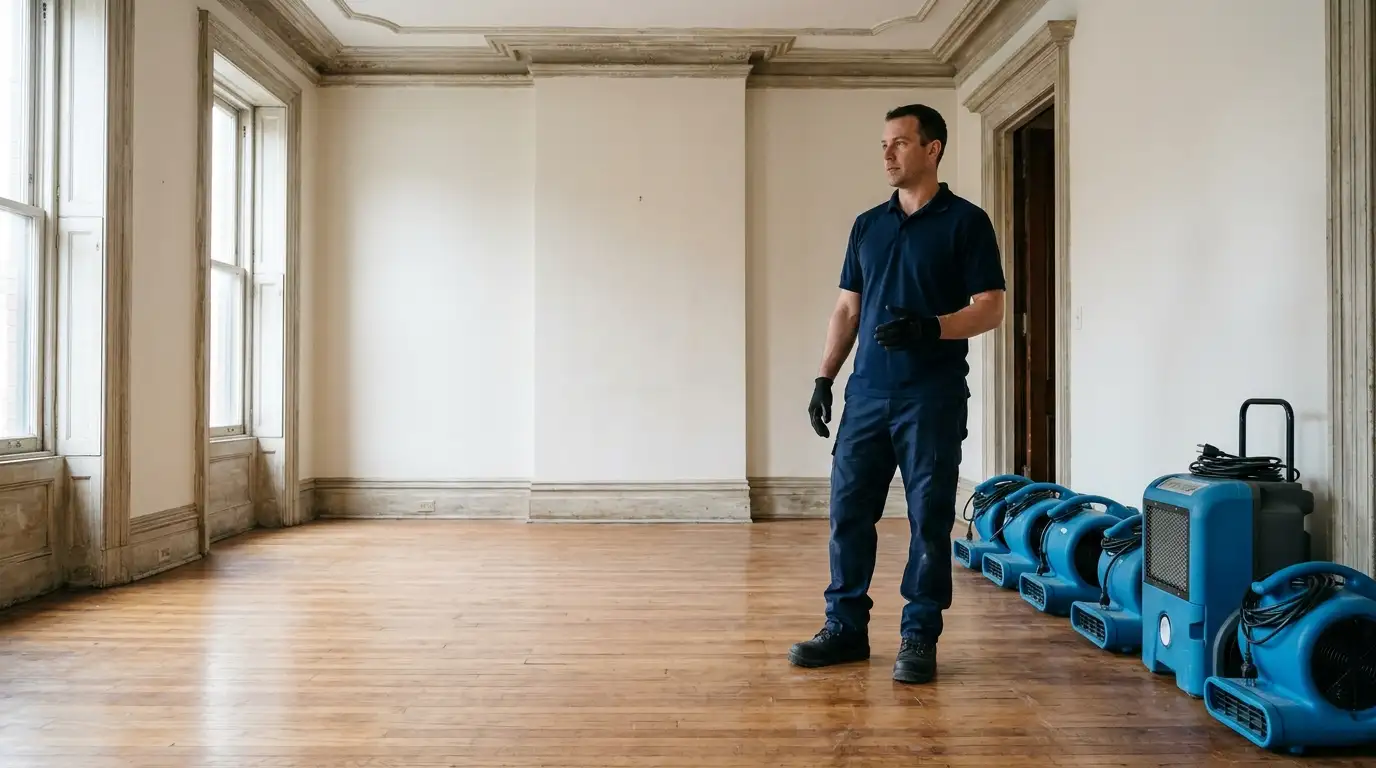
Many drying projects take about three to five days, but there is no fixed number. Small, fast-response losses can dry sooner. Large losses, older materials, or water that sat for a long time can take a week or more. Plaster, hardwood floors, and masonry usually take longer than drywall and carpet because they hold moisture more tightly and release it slowly.
What affects drying time
- How quickly water was removed: Every hour that water sits, it spreads deeper into materials.
- The type of water: Contaminated water may require removing materials, which changes the plan.
- The materials involved: Plaster and lath, hardwood, subfloors, brick, and insulation all dry at different rates.
- The size of the affected area: More wet area means more equipment and more time.
- Temperature and humidity: Warm, dry conditions help moisture evaporate, while humid weather slows the process.
- Airflow and layout: Closed-in rooms, built-in cabinets, and shared walls can trap moisture.
Why brownstones dry differently
Brownstones and other older masonry buildings have features that affect drying. Thick brick walls hold moisture and release it slowly. Plaster-over-lath walls can trap water behind the surface. Hardwood floors laid over subfloors can cup or buckle if they dry unevenly. Narrow, multi-floor layouts also make airflow harder to control, and water often travels down through ceilings and into the floors below.
The drying process, step by step
- Water extraction: Standing water is removed first with pumps and extractors.
- Moisture mapping: Technicians use moisture meters and thermal cameras to find wet areas and record baseline readings.
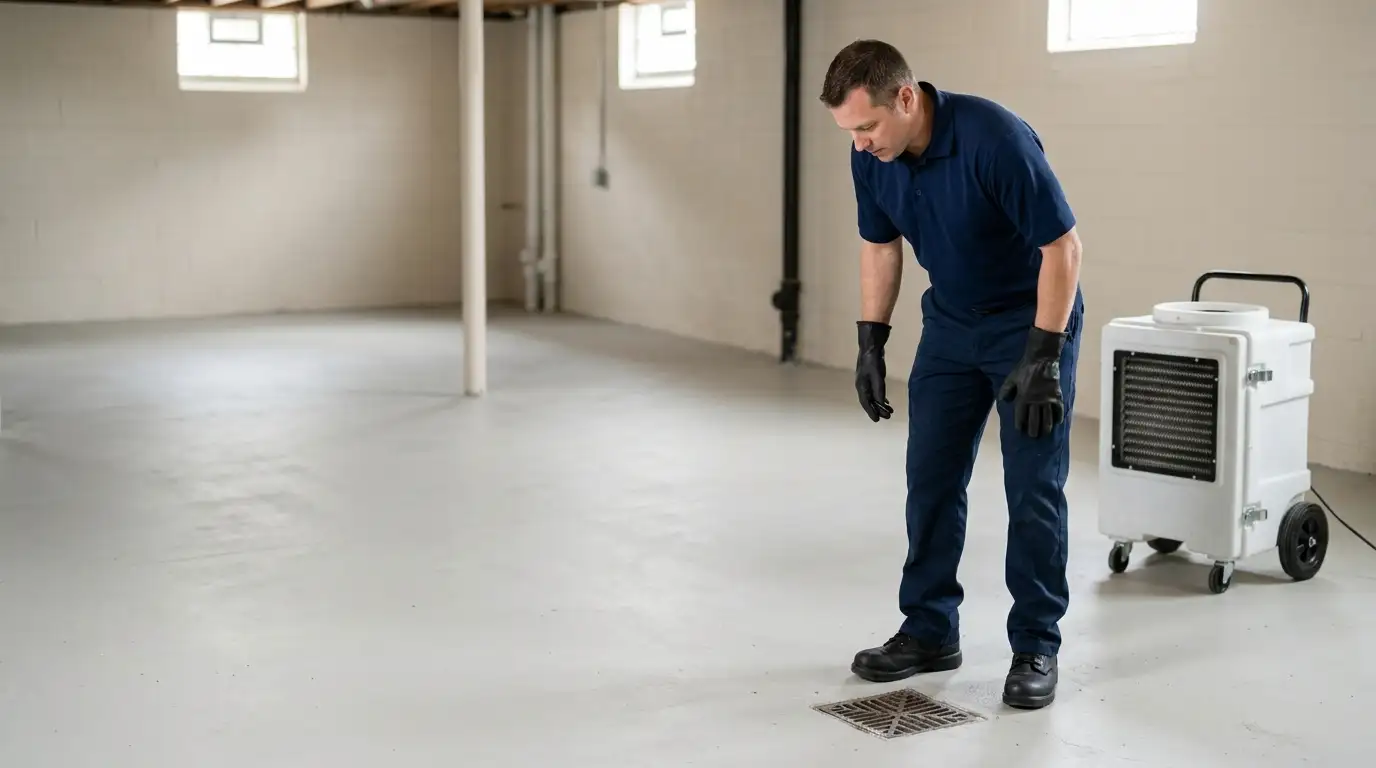
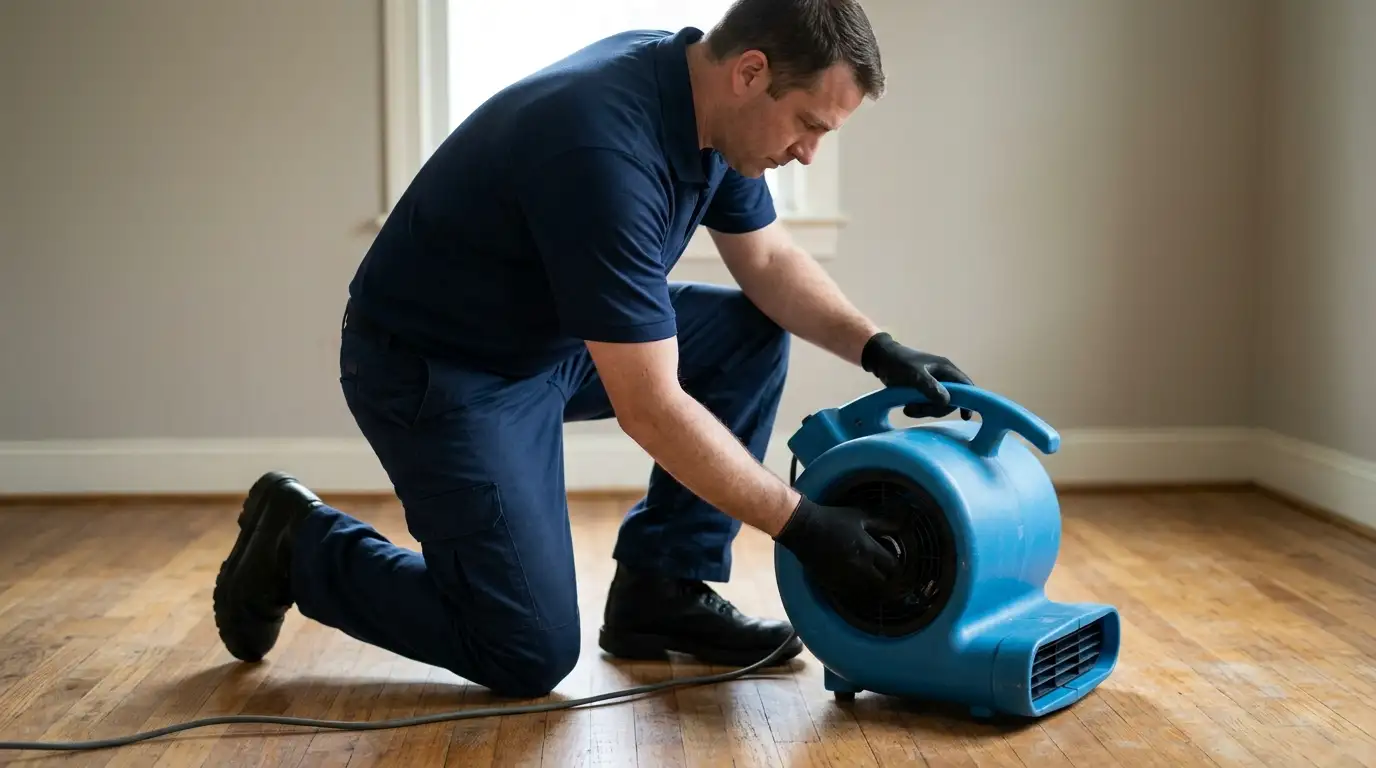
- Equipment setup: Air movers push air across wet surfaces, and dehumidifiers pull moisture out of the air so it can keep evaporating.
- Cavity and floor drying: Small openings or specialty drying systems can dry wall cavities and hardwood floors without removing everything.
- Daily monitoring: Technicians return to take readings, adjust equipment, and track progress.
- Verification: Drying ends only when readings match normal levels for the building.
The equipment you will see
- Air movers: Fans that direct air across floors, walls, and ceilings.
- Dehumidifiers: Machines that remove moisture from the air so drying continues.
- Moisture meters: Tools that measure moisture inside drywall, wood, and other materials.
- Thermal imaging cameras: Cameras that reveal wet areas by showing temperature differences.
- Hygrometers: Devices that measure humidity and temperature in the air.
What to expect at home during drying
Drying equipment is loud and runs around the clock, and it can raise the temperature in the space and your electric usage. This is normal. Please do not turn equipment off or move it, because that can lengthen drying time. Keep doors and windows closed in the work area so the dehumidifiers can do their job, and let your technicians know if you need to access rooms or if something sounds wrong.
How we know it is dry
Surfaces that feel dry can still hold moisture inside. Technicians compare readings in the affected materials to readings in unaffected areas of the same building, and they keep drying until the numbers match. Daily records also give you and your insurer clear documentation of the process.
Why you should not rush or skip drying
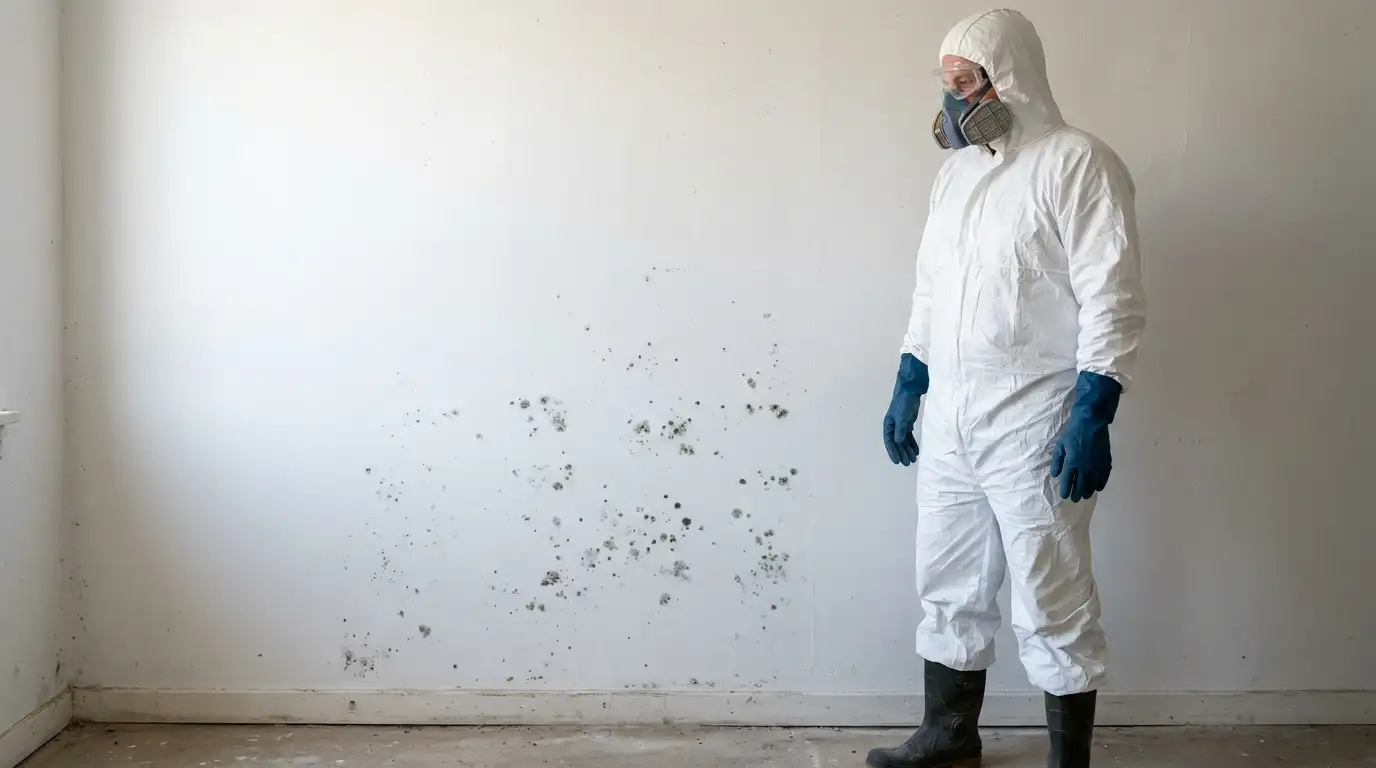
Cutting drying short is one of the most common causes of repeat problems. Leftover moisture can lead to mold growth within 24 to 48 hours in damp conditions, musty odors, warped floors, swollen trim, and rot in framing. Proper drying protects the building, your health, and your investment.
How you can help drying go faster
- Call for help quickly so water is removed before it spreads.
- Move rugs, furniture, and belongings off wet floors if it is safe.
- Keep the heating or cooling steady, as your technician advises.
- Leave equipment in place and running.
- Share anything you notice, such as new stains, smells, or sounds.
Common drying mistakes to avoid
- Turning equipment off to save electricity or reduce noise, which stops the drying process and can let moisture settle back into materials.
- Moving air movers or dehumidifiers after they have been placed, since technicians position them based on moisture readings.
- Opening windows during humid weather, which lets damp outdoor air undo the work of the dehumidifiers.
- Covering wet floors with rugs, plastic, or furniture before they have been checked, which traps moisture underneath.
- Assuming the job is finished because the surface feels dry, instead of waiting for final readings.
Frequently asked questions
Can I just use household fans? Household fans can help with a small spill, but they do not remove moisture from the air and cannot reach moisture inside walls and floors.
Will my hardwood floors survive? Many can be saved if they are dried quickly with proper equipment, though some boards may cup or need replacement.
Will drying prevent mold? Fast, thorough drying is the best protection against mold, though it does not replace remediation if growth has already started.
When to call a professional
Call as soon as water enters your home, and certainly if it has soaked into walls, floors, or ceilings. The sooner drying equipment is running, the less damage and the lower the cost.
How our team helps
Air movers, dehumidifiers, and moisture meters dry walls, subfloors, and framing completely, with daily readings that show exactly when your property is back to normal. Our Hoboken crews answer 24/7, find the source, and keep you updated until the property is dry and repaired.