Mold can begin growing within 24 to 48 hours in damp conditions, so fast drying is the best prevention. If you see or smell mold after a leak, avoid disturbing it and call a professional for testing and remediation.
Key takeaways
- Mold can begin growing in 24 to 48 hours
- Fast, thorough drying is the best prevention
- Do not disturb visible mold
- Call a professional for testing and remediation
The connection between water damage and mold
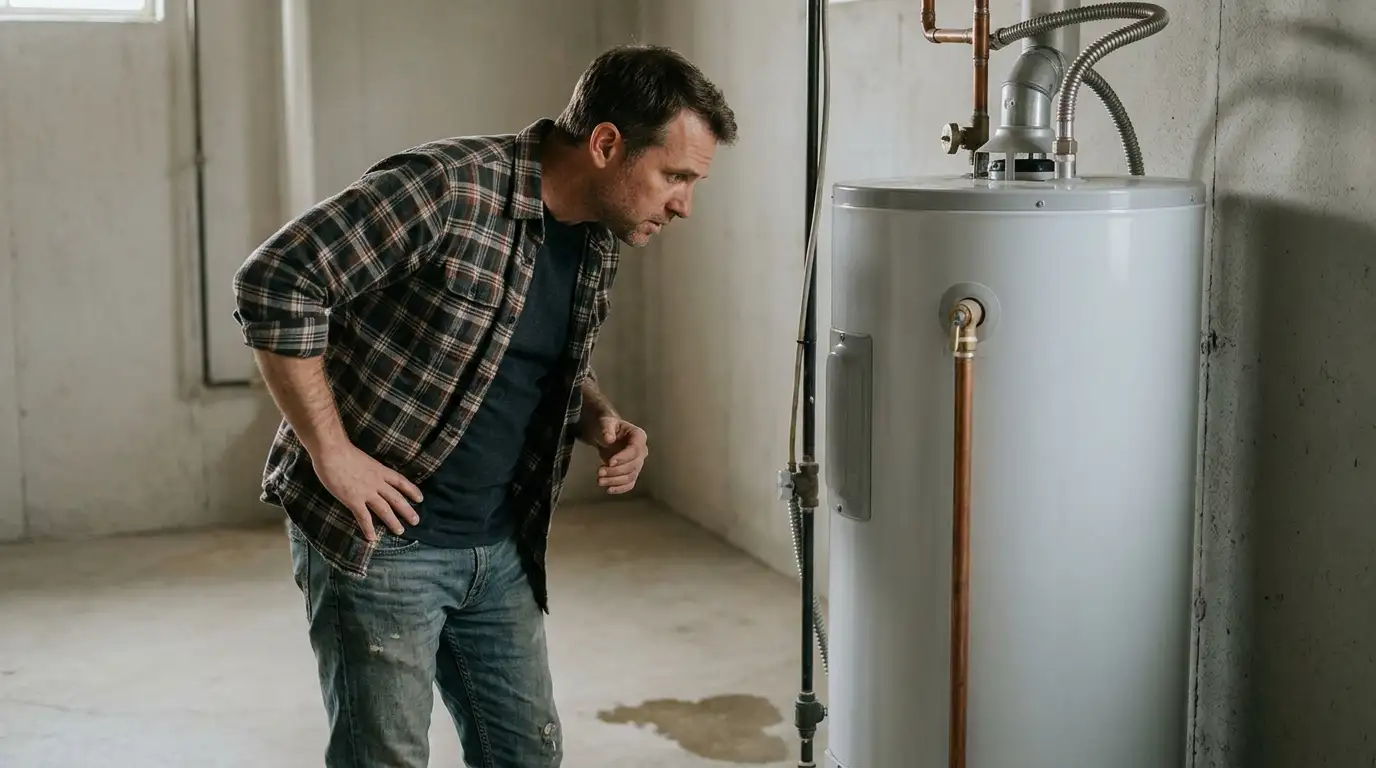
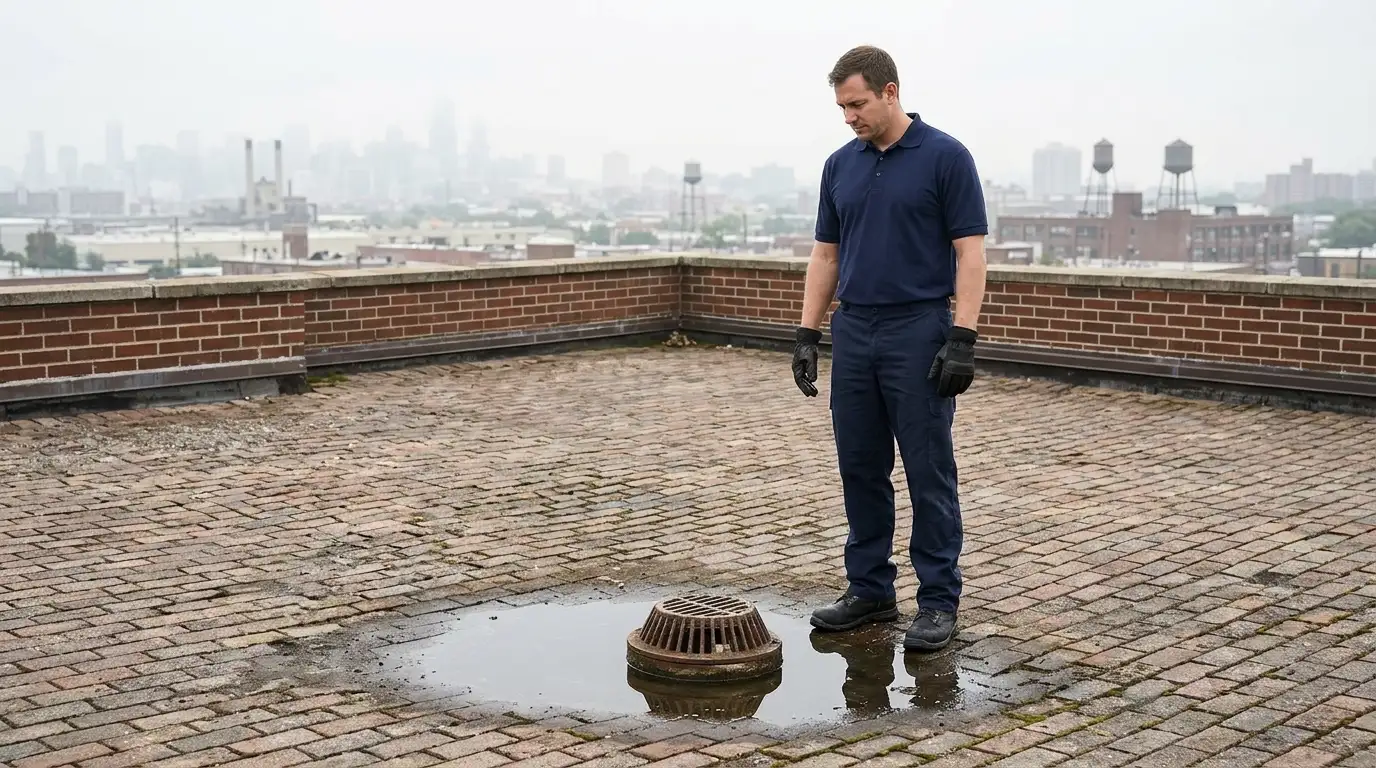
Mold spores are in the air almost everywhere, indoors and out. They stay inactive until they land on a damp surface that has the right conditions to grow. Water damage creates exactly those conditions. A burst pipe, a roof leak, or a flooded basement can turn a clean building into an environment where mold can start growing in a very short time.
Understanding the timeline helps you act at the right moment. Quick, thorough drying is the single best way to prevent mold after a water loss.
How fast does mold grow?
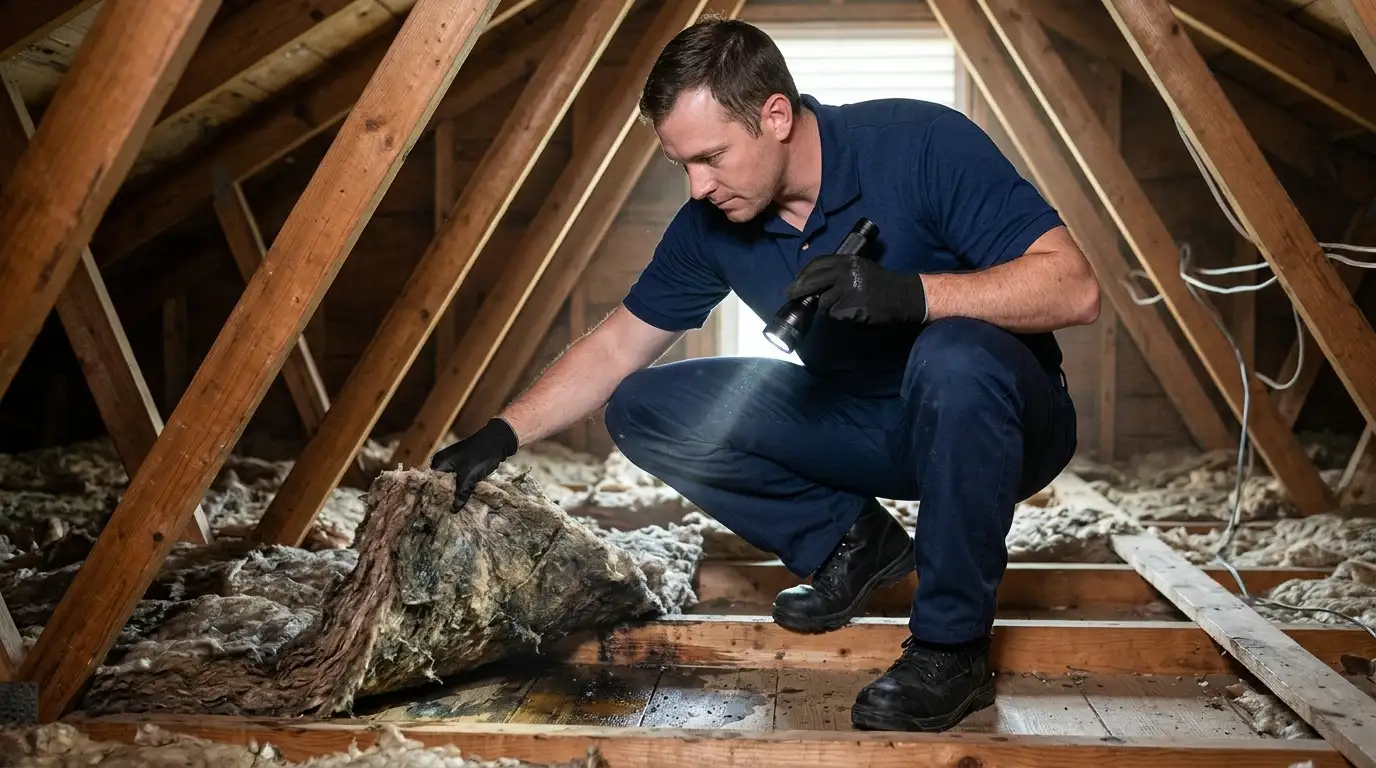
Mold can begin to grow within 24 to 48 hours when materials stay wet and conditions are warm. In the first few days you may not see anything, because the growth is microscopic. Over the following days to weeks, colonies can spread and become visible as spots, fuzzy patches, or discoloration. The exact timing depends on the temperature, the humidity, the materials, and how quickly the water was removed.
What mold needs to grow
- Moisture: Water from leaks, floods, condensation, or high humidity.
- Food: Drywall paper, wood, carpet, insulation, dust, and many other building materials.
- Temperature: Typical indoor temperatures are fine for many types of mold.
- Time: The longer materials stay wet, the more likely growth becomes.
You cannot remove the spores or the food, so the practical way to prevent mold is to remove the moisture quickly.
Where mold hides after water damage
- Behind drywall and baseboards
- Under carpet and padding
- Inside wall cavities and insulation
- Around windows and exterior walls
- In basements, crawl spaces, and attics
- Inside air ducts and HVAC systems
- Under sinks and behind appliances
Signs of mold after a water loss
- A musty or earthy odor that does not go away
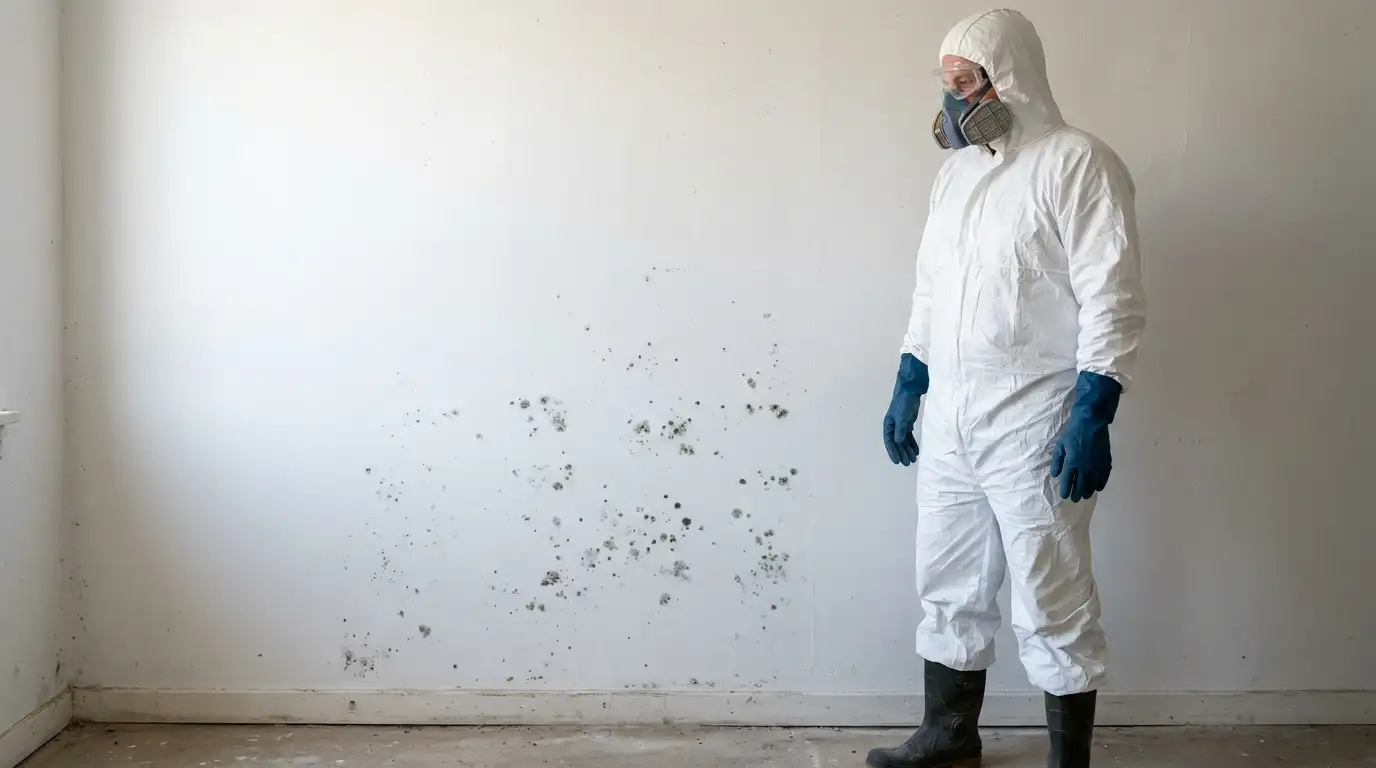
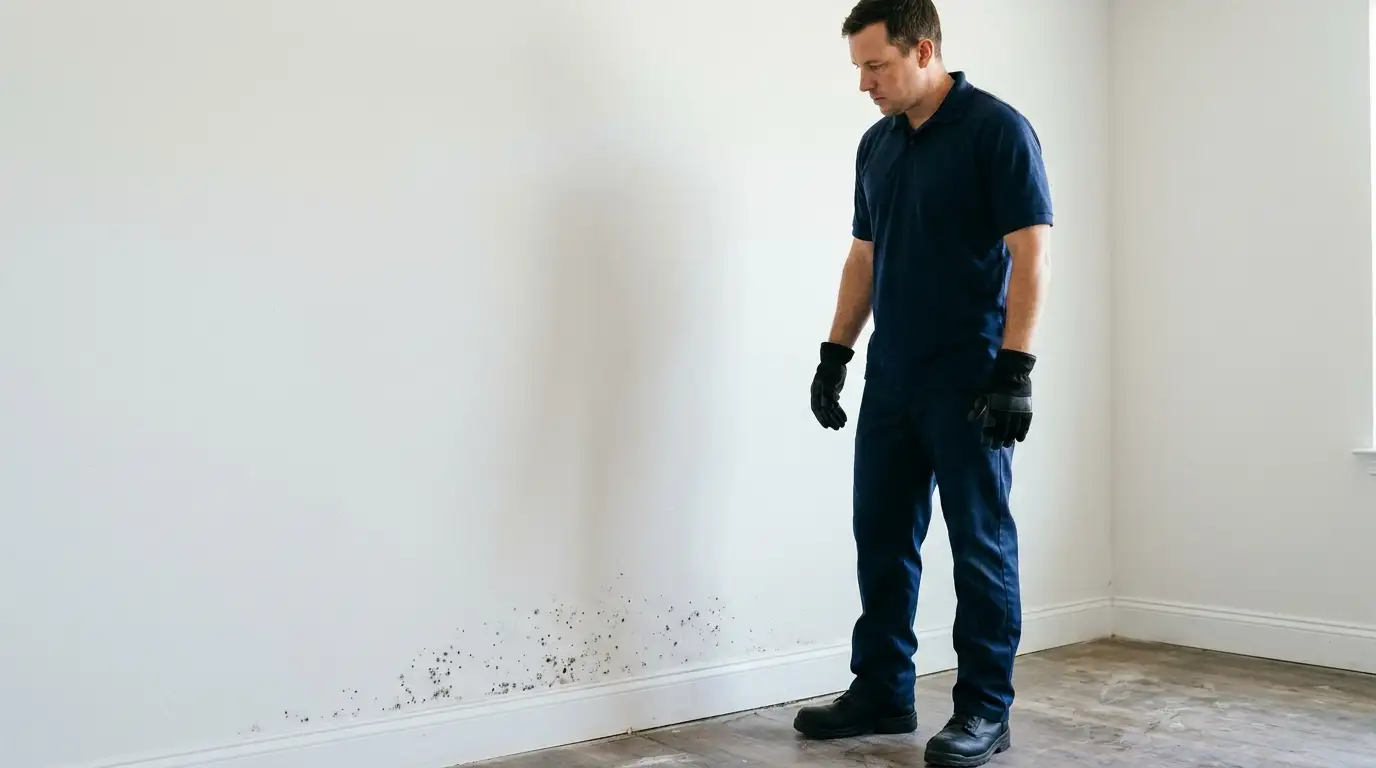
- Visible spots or patches in black, green, white, or other colors
- Water stains or peeling paint that keep reappearing
- Warped or discolored walls and floors
- Worsening allergy-like symptoms indoors, such as sneezing or irritated eyes
You cannot identify a type of mold by color alone, and mold can be hidden inside walls, so a professional assessment is the safest way to know what you have.
Health considerations
Mold exposure can aggravate allergies and asthma and can irritate the eyes, nose, throat, and skin in some people. People with asthma, allergies, or weakened immune systems may be more sensitive. If someone in your home has symptoms, talk with a doctor, and limit time in the affected area until it has been assessed.
What to do in the first 48 hours
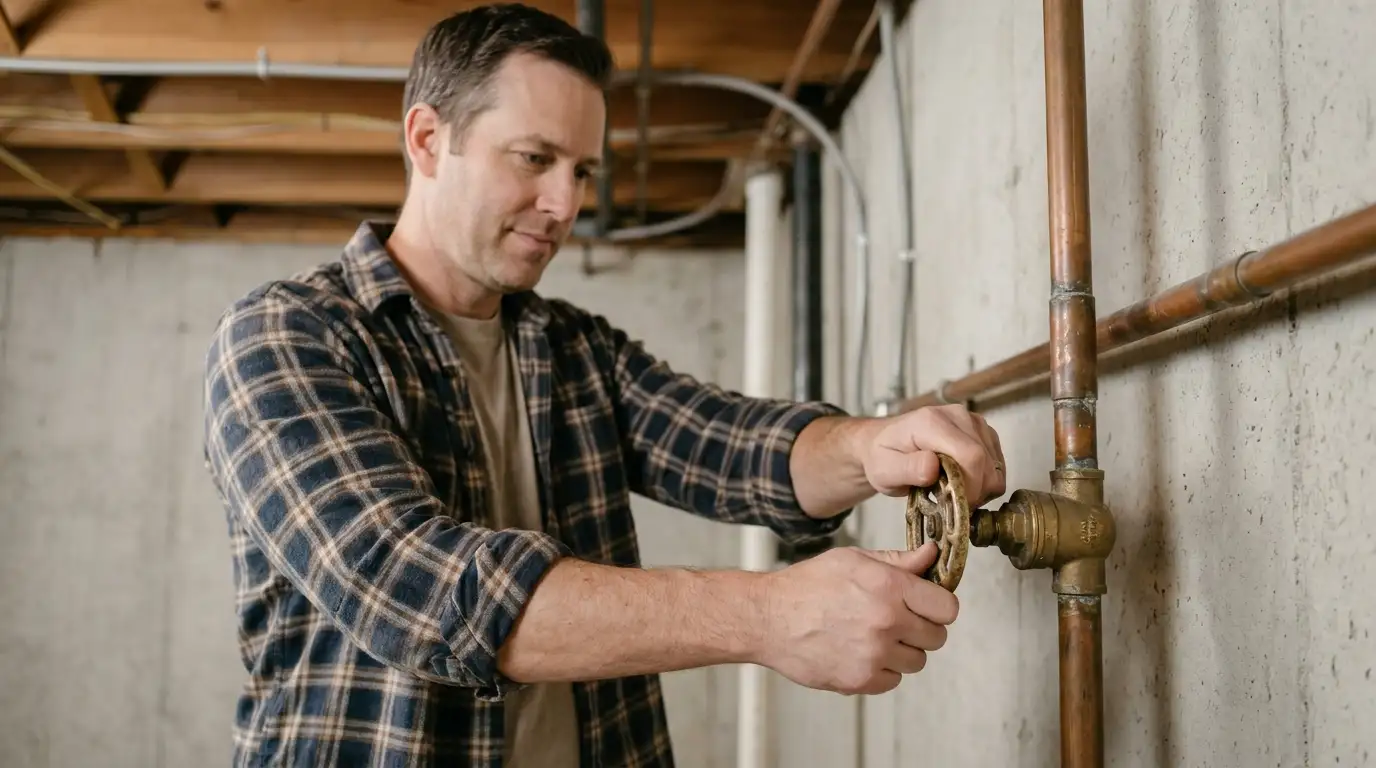
- Stop the water source and remove standing water quickly.
- Remove wet items that cannot be dried quickly, such as soaked rugs and cushions.
- Start drying with professional air movers and dehumidifiers.
- Open windows only if outdoor humidity is low, and run a dehumidifier when possible.
- Take photos and notes for your insurance claim.
- Call a restoration company for moisture mapping and drying.
What not to do
- Do not paint or caulk over mold, which hides the problem without fixing it.
- Do not use bleach as a cure-all on large areas or porous materials.
- Do not brush or sweep dry mold, which releases spores into the air.
- Do not ignore a musty smell, even if you cannot see anything.
How professional mold remediation works
- Assessment: Technicians find the moisture source and the extent of the growth.
- Containment: Plastic barriers and negative air pressure keep spores from spreading to other rooms.
- Air filtration: HEPA air scrubbers capture airborne particles.
- Removal: Heavily affected porous materials such as drywall and insulation are carefully removed and bagged.
- Cleaning: Surfaces are cleaned with HEPA vacuums and damp wiping, and framing may be treated.
- Fixing the cause: The moisture source is repaired and the area is dried completely.
- Verification and rebuilding: Readings and, when needed, testing confirm that conditions are normal before repairs begin.
Do you need mold testing?
Testing is not always necessary, since a visual inspection and moisture readings often tell the story. It can be useful when mold is suspected but hidden, when there is a dispute, or when an insurer or building owner requires documentation. Ask your remediation professional whether sampling makes sense for your situation.
How to prevent mold after a leak
- Dry the area quickly and completely.
- Keep indoor humidity between about 30 and 50 percent.
- Use exhaust fans in bathrooms and kitchens.
- Fix leaks and condensation problems promptly.
- Keep gutters and downspouts clear and direct water away from the building.
- Use a dehumidifier in damp basements.
Mold in multi-unit Hoboken buildings
In condos, co-ops, and apartment buildings, mold can spread beyond one unit. Water that leaks through a shared wall, a ceiling, or a pipe chase can affect neighbors long before anyone sees a stain. If you suspect mold, tell your property manager or board right away so the source can be traced, and document what you find with dated photos. Cooperating early helps protect every unit, prevents disputes about responsibility, and makes it easier to coordinate repairs and insurance claims between owners and the building.
Frequently asked questions
Is all mold dangerous? Different molds affect people differently, and color does not tell you how risky a mold is. The safest approach is to remove growth and fix the moisture problem.
Can mold come back after cleanup? Yes, if the moisture source is not fixed or the area is not fully dried. Fixing the cause is a core part of remediation.
Does insurance cover mold? Coverage varies, and mold that results from a covered water loss may be treated differently from long-term leaks. Review your policy and report the loss early.
When to call a professional
Call right away if water has been present for more than a day, if you see or smell mold, or if mold covers a large area. Early professional help is faster, less disruptive, and usually less expensive.
How our team helps
We inspect for mold, contain affected areas, remove growth safely, and fix the moisture source so it does not return after water damage. Our Hoboken crews answer 24/7, find the source, and keep you updated until the property is dry and repaired.